
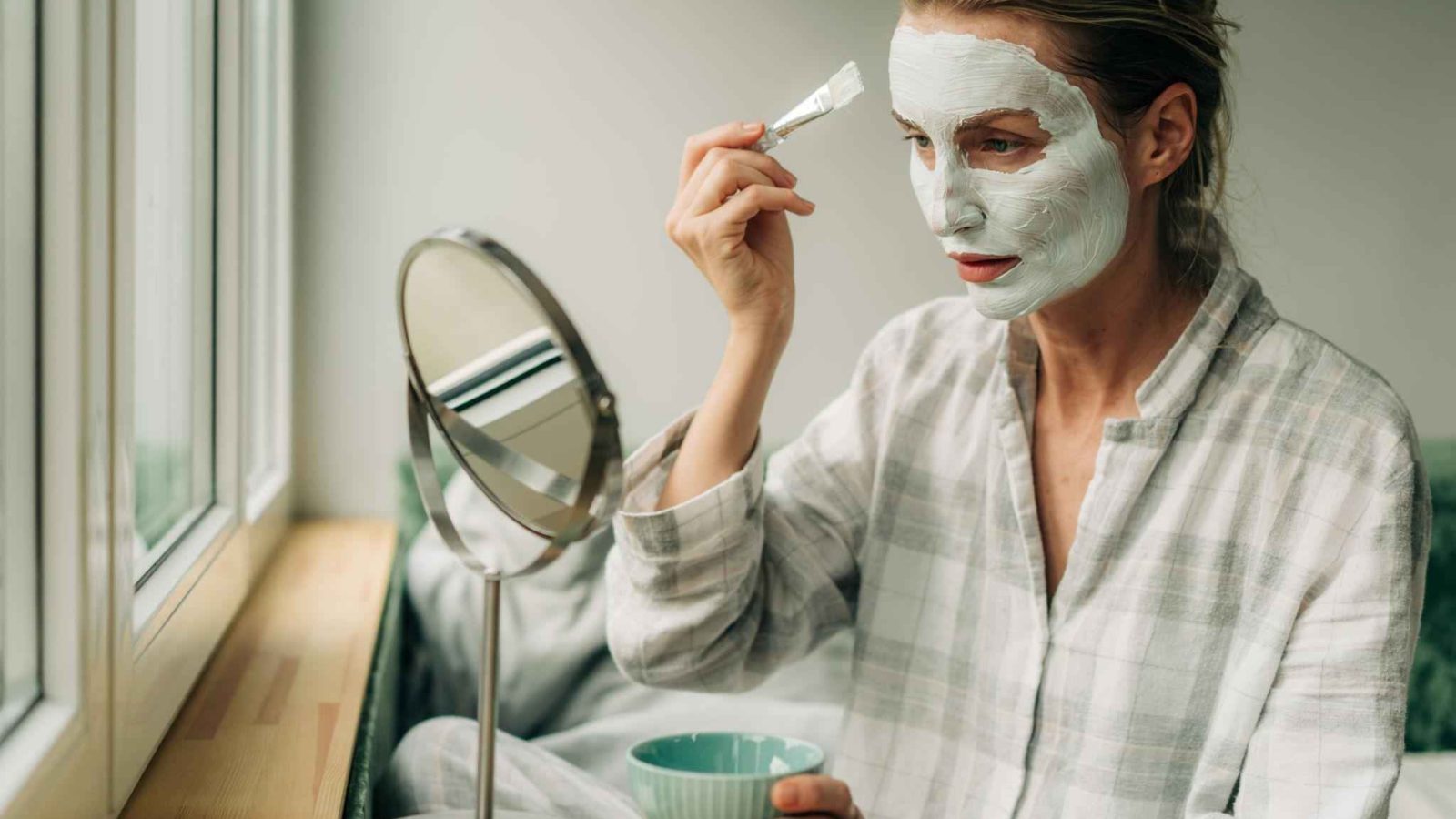
Masks and face for healthy skin – Types, Benefits & Tips
Masks and Faces: Types, Benefits & Tips for Healthy Skin
Masks are a regular feature in many skin care routines. They can help to rehydrate dry skin, absorb excess oil and leave the face feeling refreshed. However, the right mask is dependent on your skin type, concerns and ingredients in the product. Knowing how to use Masks and Faces for Healthy Skin will help you create a basic routine that will not irritate your skin. Choose the right mask for your skin, follow the directions and you’ll be doing a lot better job of caring for your skin. Oily Skin Dry Skin Combination Skin Sensitive Skin .
What are Facial Masks?
Masks and Faces for Healthy Skin products that you put on your face for a certain amount of time and then wash off or peel off. Depending on how they are formulated, they can add hydration, help soak up excess oil, or improve the temporary look and feel of skin.
Some masks contain ingredients such as hyaluronic acid, clay, glycerin or soothing moisturizers. Each ingredient has a different purpose so it is important to choose a product according to your skin’s needs.
Masks are no replacement for cleansing, moisturizing and daily sun protection, but can be a great addition to a regular skin care routine.
For more information, read our article on-Acne OTC Treatments: 4 Options That May Help
Different Types of Face Masks for Healthy Skin
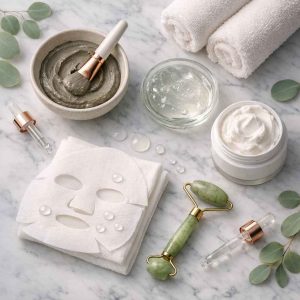
Face Moisturizing Masks
If your skin feels tight, dry or dehydrated, hydrating masks are great. They utilize ingredients such as glycerin, hyaluronic acid, and aloe vera.
These ingredients work to attract or retain moisture to make skin feel softer and more comfortable. Apply a hydrating mask and then a moisturizer to help trap in skin moisture.
Clay Masks for Oily Skin
Clay masks are popular with oily skin as they have the ability to absorb some of the excess oil on the skin’s surface. They may help temporarily minimize the appearance of shine.
But using clay masks too often or letting them dry out completely can irritate the skin. As directed on product Follow with a moisturizer
Masks
A sheet mask is a thin sheet that’s soaked in a skin-care serum. They are easy to add to a quick skincare routine and are formulated with moisturizing ingredients for the skin.
If you have sensitive skin, select a fragrance-free one and remove the mask as recommended by the manufacturer. It is not necessarily an improvement to let it go longer than the suggested period.
Exfoliating Face Masks
Some face masks are formulated with exfoliating ingredients like alpha hydroxy acids (AHAs) which help to shed dead skin cells from the surface of the skin.
They can improve skin texture but overuse can cause redness, dryness or irritation. And don’t pile them on top of a ton of other exfoliating products in the same routine—use exfoliating masks sparingly.
For more information, read our article on-Best Non Comedogenic Moisturizer
How To Choose The Best Face Mask For Your Skin Type.
How to use face masks safely on healthy skin The choice of a mask is important.
Dry skin: Seek out moisturizing ingredients such as glycerin, ceramides and hyaluronic acid.
Oily Skin: If you’re looking to manage excess surface oil, a mild clay mask is a solid choice.
Sensitive skin: Fragrance-free, simple formulations. Avoid ingredients that have irritated your skin in the past.
Combination skin: Use gentle hydrating masks or use different products on different zones as per instructions.
Acne-prone skin: Opt for non-comedogenic products. Avoid harsh scrubs and masks that sting or overly dry your skin.
“Always think about how your skin reacts, not what the marketing says.
Face Mask Safety
There are several simple things you can do to make your skin care routine more comfortable.
First wash your face with
Use a gentle face wash to remove dirt, sweat and excess oil. If directions for the product state to apply the mask to dry skin, pat skin dry.
Follow directions on the product
Use the mask as directed and only for the period of time recommended. Do not use on the eye area unless it is a special eye product.
Rinse & hydrate
Rinse Off Masks: Rinse masks thoroughly with lukewarm water. Then apply a good moisturizer to help keep the skin’s moisture barrier intact.
New Products Testing Rigorous
Before using a new mask, do a patch test as per the instructions on the product. Discontinue use if burning, significant redness, swelling or persistent irritation occurs. If reaction is severe or does not improve, get medical attention.
For more information, read our article on-Simple Ways to Feel Calm,stress-reduction-methods
Common Face Mask Mistakes to Avoid
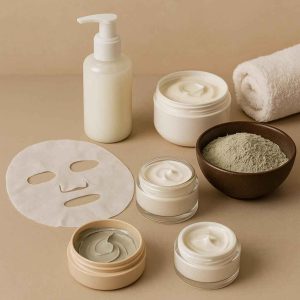
Face masks are not so good for your skin due to certain habits.
- Too much mask wearing.
- Extended use of a mask.
- Harsh ingredients are not for irritated skin.
- Using multiple exfoliating products at the same time.
- Ignoring ongoing redness, itch or discomfort
- A face mask is used to treat acne or other skin conditions.
Many times, it’s better to stick to a simple, consistent skin care routine than to use too many products.
Summary
If you select face masks that are appropriate for your skin type, they can be a wonderful addition to your skincare routine. Hydrating masks can help dry skin, and clay masks can help absorb excess oil, at least temporarily. The different formulations have ingredients that give different benefits.
For best results, use face masks as directed, keep your skin moisturized and protect your skin from the sun. Remember, face masks for healthy skin work best when paired with a healthy routine, not as a replacement for daily skin care.
Questions & Answers
How often should I use a facial mask?
“It depends upon the product and your skin type. Follow the manufacturer’s directions. You’ll likely be able to use hydrating, gentle masks more often, and only need to use masks that exfoliate or absorb oil less often.
Can I wear face masks if I have sensitive skin?
Yeah, a couple. Use fragrance-free products with gentle ingredients Patch test new products. Discontinue if irritation occurs.
Do face masks help clear up acne?
Masks can be useful for some issues, such as an oily surface, but they’re not a reliable acne treatment. If your acne is severe or painful, you may wish to consult a dermatologist.
After applying a face mask, do you need to moisturize?
Most of the time. Yep Using the right moisturizer after removing a mask may help keep skin hydrated and support the skin barrier.
“Can I wear a mask every day?
Some masks are not for daily use. Use products as directed, and avoid overusing products that may cause dryness, irritation or peeling.




One thought on “Masks and face for healthy skin – Types, Benefits & Tips”
Comments are closed.