
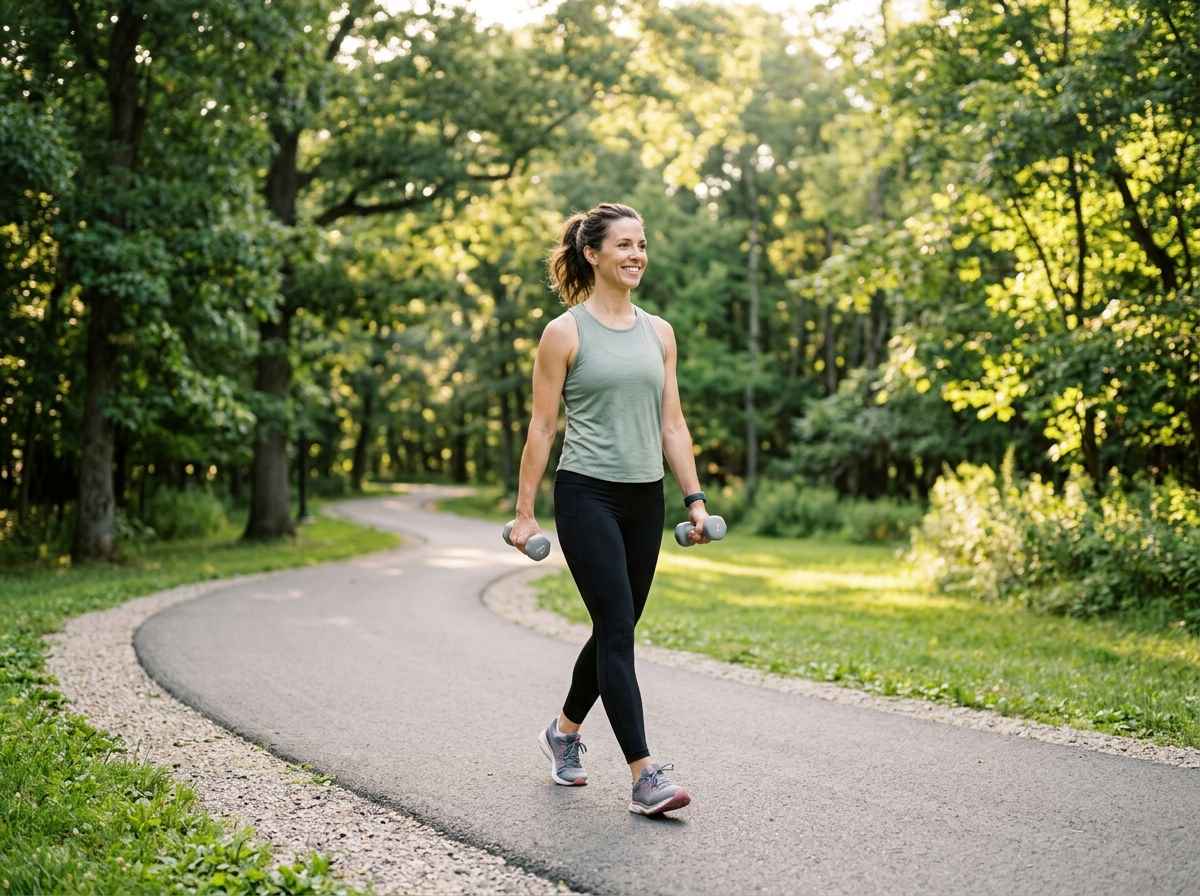
Walking With Weights: How to Begin, Benefits & Tips
What is walking with weight?
Benefits & tips for walking with weights is one of the simplest ways to get physically active. Adding light weights to a well-known walking routine can make it more challenging, as it requires more from your muscles.
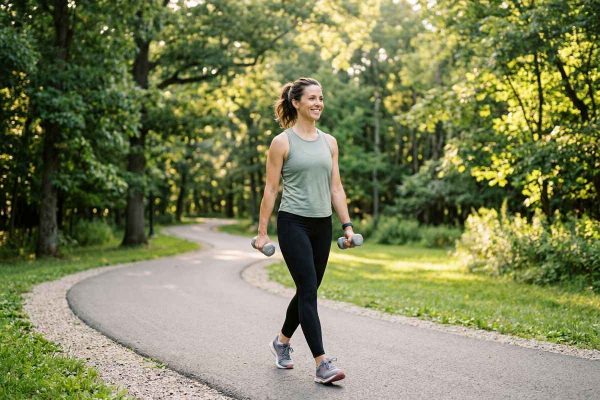
In walking with weights, you usually carry light dumbbells or put on weights around your wrists or ankles to suit your needs. The point here isn’t to make every walk a hardcore strength-training workout. It can be an optional way to add a little extra resistance and variety to your workout.
However, more weight does not always mean better results. The weights should be light enough so that they do not interfere with your walking form or add unnecessary strain.
If you’re a beginner, the best bet is to ease in, focus on good posture and slowly dial up the difficulty.
Does walking with weights help?
“Walking with the right amount of light resistance has many fitness benefits,”
- It can make your workout harder.
More weight means more trouble walking. You may have to work harder to move and stabilize your body.
This can be helpful if you find that your usual walking routine is becoming too easy.
But the goal should be to make it harder, not to make every walk an exhausting experience.
- It can work your upper body
Walking is a mostly lower body activity. If you use light dumbbells your arms, shoulders and upper body have to work harder.
The effect depends on your weight, the speed you walk, the length of time and the way that your arms naturally swing.
You can make the exercise harder by not exaggerating your arm movements. The best way to walk is a natural one, comfortable.
- It Adds Variety To Your Walking Routine
That gets old working the same old work out.
You can change your routine without changing the activity itself by engaging in weighted walking.
You can flip between:
- Walks often
- Up-tempo
- + Climbing up-hill
- Walking with little weights
- Muscle building
- Recovery Walking
Mixing things up can help keep you interested in your fitness routine.
- It helps you build total strength and fitness
Walking with weights is not a substitute for actual resistance training. But light weights can provide some resistance to your normal movement.
Combine walking with squats, lunges, rows, presses and core exercises to help build your overall strength.
Or, see our guide to dumbbell exercises for strength and mobility in your daily life.
- It May Increase Energy Expenditure
Carrying extra weight can make the activity more physically demanding.
But there’s no good universal number of how many extra calories you’ll expend . This depends on your body size, how fast you walk, how far you walk, the terrain and how much weight you use.
Don’t choose a weight just to burn the most calories.
Is Walking with Weights Good For Losing Weight?
You can add walking to a healthy weight management routine and make some walks more challenging by adding light resistance.
But walking with weights is no magic way to lose weight.
There is a lot involved in long-term weight management.
- Total food intake
- Daily exercise
- stick to your workout routine sleep
- Anxiousness
- Metabolism, Personal
- Genetics and
If you want to lose weight or maintain it, focus on sustainable habits, not trying to make every walk as hard as you can.
For more information, read our article on-lose weight, Goals, Tips
What to Lift for Beginners?
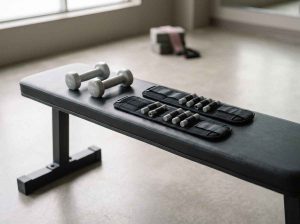
Heavy resistance should not be the emphasis for beginners, but control and comfort of movement.
If you are using dumbbells, pick a weight that lets you walk normally without changing your posture or arm movement.
Light-weight
“Lighter weights are easier to control than heavy weights.
The right weight is different for everyone, so there is no one starting weight that is right for everyone.
Ankle & Wrist Weights
Wrist weights offer you the resistance without having to hold dumbbells the entire time.
But they put more strain on your arms and shoulders so start slow.
Ankle weights
Hand weights are not ankle weights. Hand weights are resistance on your arms.
They can interfere with your normal walking pattern and may add extra stress to your joints or muscles. There shouldn’t be an automatic assumption that they’re better for walking.
Most beginners may find regular walking or light hand resistance easier to start with.
How to Start Walking With Weights
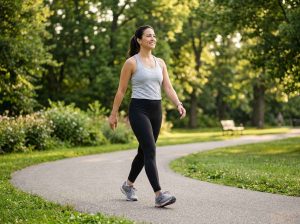
If it’s your first time doing weighted walking, be gentle with yourself.
Step 1: Form a Walking Habit
Be sure you can walk on a regular basis before adding weights.
If you are not active now, start with regular walking and build up the time gradually.
Step 2: Start With Light Resistance
Choose a weight that will let you keep your normal posture and move as you usually do.
You shouldn’t be feeling like you are struggling under the weights.
Step 3: Keep the first session brief You don’t need to use weights the whole walk.
Walk with weights for a bit and then walk normally.
Step 4: Check your progress
- Watch out for
- Location
- Arm Movement
- Step
- Breath Equilibrium
If you notice that the added weight is significantly altering your gait pattern, then reduce the weight or stop using the weights.
Step 5: Drive Slowly
When weighted walking becomes comfortable, increase the time or frequency slowly.
You don’t have to increase weight, speed, distance and time all at once.
Walking With Weights – Correct Form
Better to be fit than to lift heavier weights.
Keep your: –
- Neutral head pose
- Drop shoulders
- Open the chest at your ease
- Core gently stroked
- Arms moving freely
- Controlled steps
Do not violently swing your weights or shrug your shoulders.
But you should look and feel like you are walking naturally.
How Long Should You Walk With Weighted Vest
There isn’t a one-size-fits-all time frame for everyone.
Beginners can get by with a short weighted portion.
For instance:
Warm-up: 5-10 min. normal walking
Weighted walk: 5-10 minutes light weights
Regular walking: 10-20 min without weights
Cool down :5 minutes easy walking
This is an example only. Your workout should be appropriate for your fitness level and comfort.
If you feel abnormal pain or extreme fatigue, reduce the intensity.
Walking With Weights or Normal Walking
Regular walking is already a valuable form of physical activity.
Weighted walking is optional, not required.
| Feature | Regular Walking | Walking With Weights |
| Accessibility | Very high | Moderate |
| Equipment needed | None | Light weights |
| Lower-body activity | Yes | Yes |
| Upper-body resistance | Limited | Increased |
| Workout complexity | Low | Moderate |
| Beginner-friendly | Excellent | Depends on fitness level |
| Risk of altered form | Lower | Higher if weights are too heavy |
Many people might get more benefit from just walking more often than from adding weights too early.
Weighted Walks for Beginners: An Easy Exercise
If you’re already comfortable with regular walking, try this beginner-friendly format.
PWO (Pre -Workout)
5-10 minutes easy walk without weights.
Primary Exercise
Walk for 5 minutes with light weights at a comfortable pace.
Natural arm swing, loose shoulders.
Walking Regularly
Put the weights down and walk for another 10 to 15 minutes.
Stop cooling
Easy walking for 5 minutes to cool down.
As you become fitter you can gradually increase the weighted portion.
Common Mistakes Not to Make
Overloading on Weights
Heavy weights can affect your posture and your gait mechanics.
Start off light
The Swing’s Weight
Walking is not the same as doing arm exercises repeatedly. Don’t flail your arms about.
All walks weights
You don’t want any added resistance when you walk.
Regular walks can be a great way to get low impact activity and recovery.
Disregard joint or muscle aches
If the discomfort persists or worsens, do not ignore it.
If in doubt, stop the activity and seek appropriate professional advice.
Only Counting Calories Burned
It’s not just about the amount of calories you burn in a workout.
Fitness gains, endurance, strength, mobility and consistency are worthwhile results too.
Who should be cautious with weighted walking?

Not everyone can do weighted walking.
If you have any of the following, consider not adding weights or seeking advice from a professional first:
- A recent injury
- Severe joint pain
- Balance Issues
- Certain heart or medical conditions
- Difficulty in walking normally
- Just had surgery.
If you have a health condition or are unsure if weighted walking is right for you, consult a qualified healthcare professional before starting.
How to Increase the Challenge of Walking without Adding Weights
You don’t have to use weights to step up your walking routine.
Other alternatives are:
Walk quicker
Gradually increase your pace, keeping your form good.
Uphill Walk
Walking is more difficult up hills or on a treadmill incline.
Walk More:
Endurance can be improved by gradually increasing the duration.
Add Intervals
Walk at a comfortable pace for a while and then at a brisk pace for a short time.
Add Weight Training
Resistance exercises provide a more direct approach to muscular strength development .
For more cardio ideas, check out our guide to core exercises for every fitness level and combine them with a balanced training regimen.
Walking With Weights and Recuperating
Recovery still matters, even if the workout seems easy.
Allow your body sufficient recovery time between challenging sessions, especially if you are new to resistance exercise.
Support recovery by:
- Sufficient sleep
- Nutritious food
- Hydration, regularly
- Days off
- Slight movement
If you’re exercising in hot weather, take a look at our summer hydration tips to exercise safely.
For more information, read our article on-Body Warm Up Exercises for Your Workout
Common Questions
Is walking with weights better than just walking?
No, not really. Regular walking already provides good physical exercise. Some walks can be made more challenging by adding light weights, but this is optional.
How much weight are you carrying while you are walking?
There isn’t a universal starting weight. Select a light resistance that permits you to keep normal posture, balance and natural arm movement.
Can you build muscle by walking with weights?
It might add some resistance to walking, but it should not be a replacement for dedicated strength training if you want to build muscular strength.
Will I lose weight if I walk with weights?
Weighted walking can increase physical activity and may lead to more energy expenditure, but weight management is about your whole lifestyle including nutrition, activity, sleep and consistency.
Are ankle weights good for walking?
Using ankle weights can alter normal walking biomechanics and lead to increased stress on specific muscles and joints. Regular walking or light hand weights may be easier for beginners.
How many days a week should I walk with weights?
You can do short sessions here and there, instead of doing weights everyday. Let your body get used to it. Focus on moving in a comfortable way.
Can you walk with weights for beginners?
Yes, but beginners should get accustomed to regular walking first, then gradually introduce light resistance.
Can you walk with dumbbells?
For some people it can be appropriate to use light weights with good form.” No heavy weights , painful movements , imbalance or major change in walking mechanics .
Concluding remarks
Adding weights to walking can be an interesting way to add a little extra resistance to your walking routine and also add some variety. It can intensify the workout, and also make it more challenging for your upper and lower body than regular walking.
That said, heavier does not always mean better.
As a beginner, you should start with normal walking, gradually increase the resistance, and pay attention to maintaining good posture and natural movement. You can also make walking harder by walking faster, walking up hills, walking longer or walking with intervals.
And most important of all, choose something you can do consistently and easily. Trying to make every walk harder is not the way to build long-term fitness. Instead, build a foundation of regular walking, healthy eating habits, adequate sleep and appropriate strength training.


One thought on “Walking With Weights: How to Begin, Benefits & Tips”
Comments are closed.