
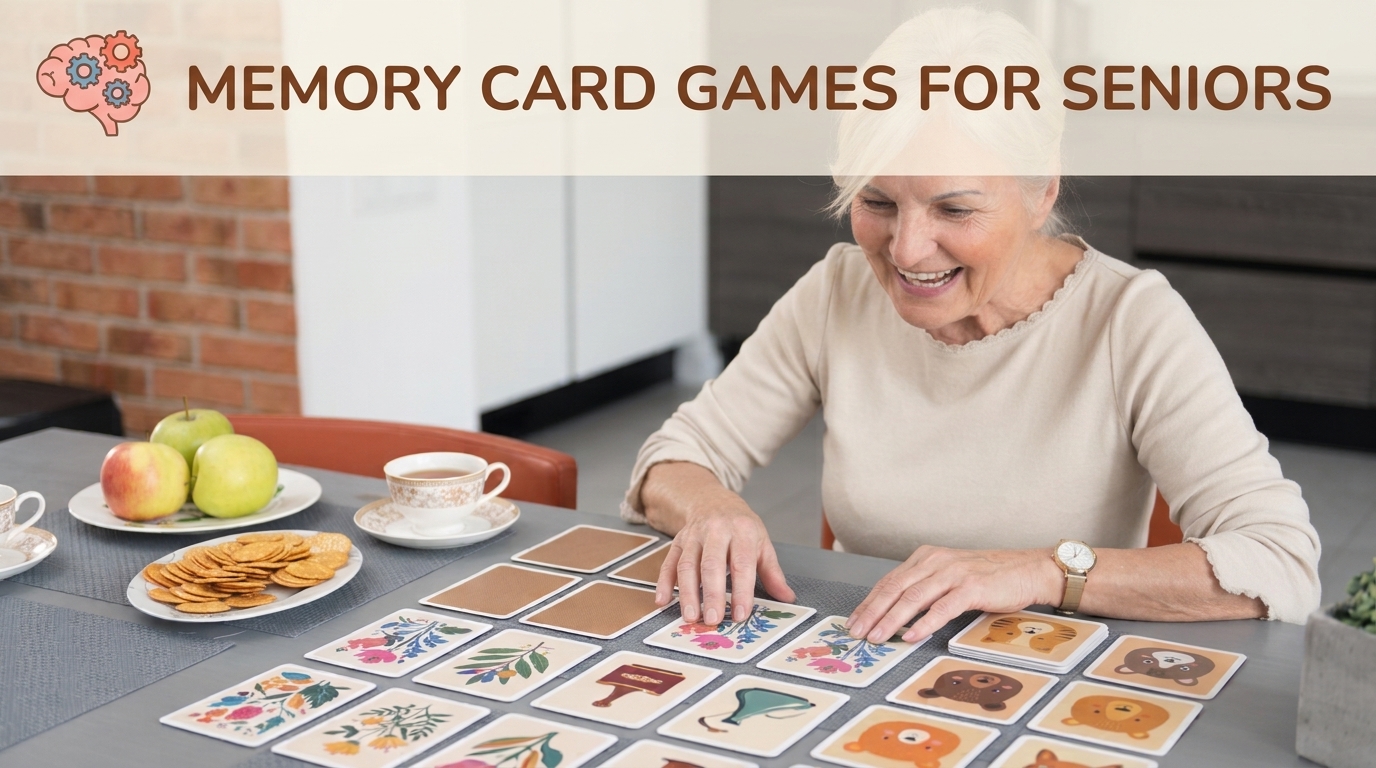
12 Brain Games for Seniors To Keep Your Brain Active
Introduction
Staying mentally active is an important part of healthy ageing. As people age, they may notice changes in memory, concentration, or speed of thinking of information. Such changes may be a normal part of ageing, but remaining mentally involved can help support overall cognitive well-being. Brain Games For Seniors are fun activities that challenge thinking, memory, attention and problem-solving. These activities can be puzzles, word games, card games and creative hobbies.
What’s great about many brain games is that they are simple, inexpensive and easy to enjoy right from the comfort of your own home. Here are 12 things seniors can do to keep their minds engaged.
What Is the Importance of Brain Games For Seniors?
Mental activities allow you to practise different thinking skills. They may improve the enjoyment of everyday life and also encourage social interaction.
Some of the possible benefits include:
- Helps with memory and focus.
- Using logic and problem-solving.
- Development of creativity and learning.
- To have fun stuff to do each day.
- Establishing social connections.
- Supporting an active lifestyle.
But brain games aren’t a cure for dementia or a remedy for memory problems. They should be seen as part of a healthy lifestyle.
For more information, read our article on-Simple Ways to Feel Calm,stress-reduction-methods
12 Best Brain Games For Seniors
Crossword puzzles
Crossword puzzles are a favourite mental pastime for older adults. They encourage the recall of vocabulary, general knowledge and logical thinking.
Start with the easy puzzles and progress to the more difficult ones. There are lots of choices, newspapers, books, mobile apps.
Sudoku

sudoku-number-puzzles-for-seniors

Sudoku is a logic and concentration developing puzzle game based on numbers. Players fill in the blanks with numbers, following a specific set of rules.
If you like to play with numbers, here is a good one.
Games Puzzles

jigsaw-puzzles-for-older-adults

Jigsaw Puzzles are pictures that you assemble from small pieces. They enhance visual recognition, attention and problem solving.
Choose jigsaw puzzles with a number of pieces you are comfortable with to have fun.
Games on Memory Cards
memory-card-games-for-seniors
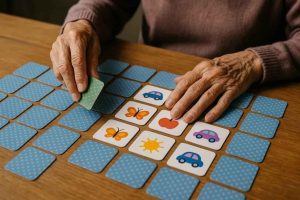
Memory card games are pairs of matching like cards. Players turn over cards and remember where they are to match pairs.
This activity is a fun way to work on attention and short term memory.
Word Games
Word search puzzles are a game of finding hidden words in a grid of letters. They assist with visual attention and word recognition.
Choose themes like animals, food, trips, everyday things.
Checkers & Chess
Chess and checkers promote planning, strategic thinking and decision making.
You can also interact socially by playing with friends or family members.
Trivia and Quizzes
Trivia Games – Test your brain in history, geography, science, sports and entertainment trivia.
Seniors can play alone or take part in group quizzes with their families.
Card games
Games with cards, for example Solitaire, Rummy or simple matching games require strategic thinking, attention and memory.
They’re also a fun way to pass the time with your friends.
Reading and Story Telling
We can learn new things and hear different ideas from books, newspapers and magazines.
Telling stories to family members can also encourage communication and memory recall.
Language learning
It can be a fun mental challenge to learn the basic words and phrases of a new language.
Books, videos, and easy-to-use apps can make the process easier for beginners.
Games of Music and Rhythm
Listening to music, identifying songs, singing and simply following a beat all provide enjoyable mental stimulation.
Music activities can also help people to express their feelings and build social connections.
Drawings and Creative Art
creative-art-activities-for-seniors

Creativity and visual attention can be developed by drawing, painting, colouring and crafting.
No professional skills are needed for these activities. The idea is to have fun in creating.
How often should seniors play brain games?
There is no fixed time limit for everyone to play brain games.
A practical way to do this is to select activities that you enjoy and make them a regular part of your daily life.
For example:
- Work on some crossword puzzles.
- Play a fast-paced card game with a family member.
- Read a few pages of a book that interests you.
- Try a new puzzle or a creative hobby.
- Take part in a group quiz or play a board game.
The good thing about variety is that it keeps a variety of skills active. It’s also important for seniors to balance mental activity with physical activity, adequate sleep, social interaction and nutritious food.
For more information, read our article on-exercises for belly fat loss
How to Choose the Best Brain Games
When choosing brain games for seniors, consider their personal interests, abilities and comfort level.
- Instead of annoying things, choose fun things to do.
- Start with simple games and then slowly increase the difficulty.
- Try large print puzzles or cards.
- Pause as often as you need to.
- Involve your family and friends if you can.
- Play different games to keep it interesting.
The best activity is the one that someone likes and wants to do again.
FAQ (Frequently Asked Questions)
Best brain games for the elderly?
Mental games are very popular. These include crossword puzzles, Sudoku, memory card games, jigsaw puzzles, chess, and word searches.
Can brain games improve memory in seniors?
Structured mental exercises provide practice in specific memory and thinking skills. The results are mixed, and one game won’t guarantee you improved memory.
Can old people play brain games at home?
Yeah. There are many hobbies you can take up at home that don’t require expensive equipment, such as puzzles, reading, card games, drawing and quizzes.
Are brain games online Good for Seniors?
Games on the internet are an easy way to get your mind going. Seniors should consider easy-to-use platforms with readable text and comfortable controls.
Can brain games prevent dementia?
But playing brain games does not mean you will not get dementia. Mental stimulation is only one part of brain health along with physical activity, social engagement, sleep and appropriate healthcare.
Ultimately
Senior brain games are fun activities that keep your brain active and exercise your memory, attention, creativity and problem solving skills. There are crossword puzzles, Sudoku, reading, creative hobbies and more to try out.
The trick is to find fun things to do that are available and appropriate for individual abilities. These activities, together with a balanced lifestyle and regular social interaction, may contribute to healthy ageing and overall wellbeing.