
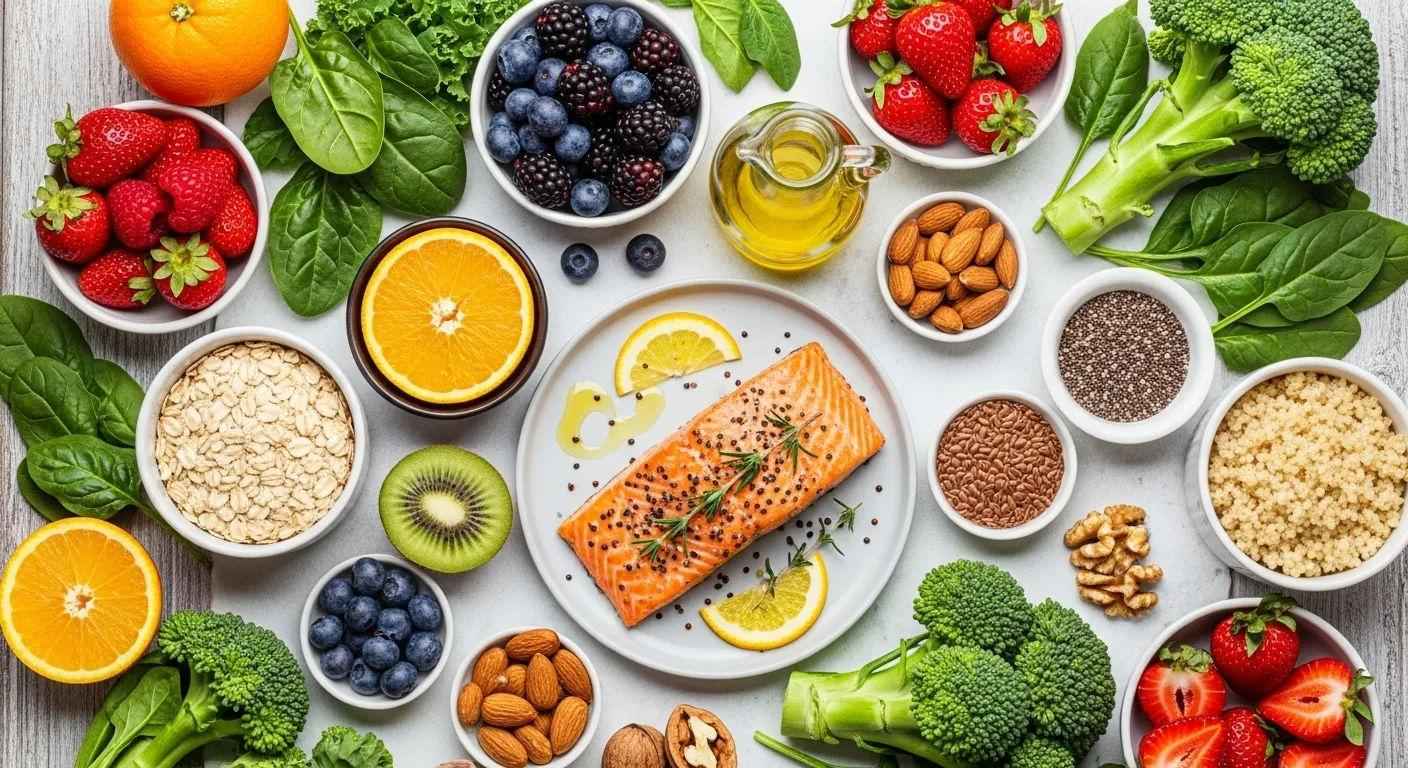
10 Heart Healthy Food For Healthy Living
Introduction
Eating well is a very important part of staying healthy. Selecting the right foods can help promote heart health and make everyday meals flavorful and satisfying. Fortunately, you don’t need fancy recipes or expensive ingredients to make good food at home.
The best heart healthy dishes are often those that include vegetables, fruits, whole grains, beans, fish, nuts, seeds and healthier cooking oils. These ingredients offer vital nutrients and can assist you in establishing a healthy eating pattern. Cutting down on added sugar, excess sodium and saturated fat also helps.
There are many simple ways to make your meals more nutritious, whether you’re planning breakfast, lunch or dinner. Inside this guide, you’ll find 10 tasty meal ideas, practical cooking tips and simple ingredient swaps to help you enjoy a heart-conscious eating routine.
What’s a heart healthy diet?
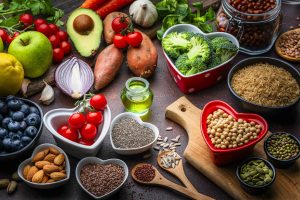
A heart-healthy meal consists of nutritious ingredients in balanced proportions. Instead of focusing on one food, aim to eat a variety of vegetables, whole grains and proteins over the course of the day.
“The heart-healthy eating pattern emphasizes fruits, vegetables, whole grains, legumes, nuts, fish and healthy oils while limiting sodium and saturated fat,” the American Heart Association explains.
Some good ingredients to add are:
Vegetables: spinach, broccoli, carrots, tomato, peppers.
Fruits: apples, oranges, strawberries, bananas
Whole grains: Brown rice, oatmeal and whole-wheat bread.
Protein: Eat beans, lentils, fish, skinless chicken and tofu
Healthy fats: olive oil, nuts, seeds and avocados.
Together, these ingredients help make it easier to prepare satisfying meals without relying on processed foods.
Read more article-15 Cozy, Satisfying Meals: Comfort Food Ideas
10 Heart Healthy Recipes You Can Make At Home
1. Salmon with Roasted Veggies
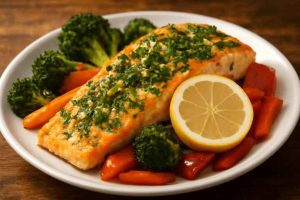
Salmon is a tasty dish that offers protein and omega-3 fatty acids. Serve with roasted vegetables for fiber, vitamins and minerals.
Ingredients :
- Filet of salmon
- Carrots and broc.
- Juice of lemon
- Olive oil
- Black pepper, herbs and garlic
How to cook Season the salmon with lemon juice, garlic, pepper and herbs. Grill or bake in the oven until fully cooked. Serve the fish with the vegetables roasted in a little olive oil.
Why this is a good pick: Salmon gives you omega-3 fatty acids, and vegetables provide vital nutrients. You also can bake or grill the meal rather than deep-frying.
2. Brown Rice and Vegetables Bowl
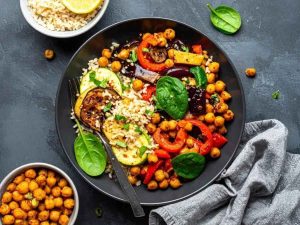
A brown rice bowl makes for a simple lunch or dinner. Brown rice is a whole-grain carb, and colorful vegetables add fiber and variety.
Ingredients.
- Cooked brown rice. Capsicum.
- Carrots
- Spinach
- Chick peas.
- Lemon juice & olive oil
Preparation: Cook the brown rice and steam or sauté the vegetables lightly. Add some chickpeas for protein, then finish with lemon juice and a little olive oil.
This is a versatile meal and can be modified to suit the seasonal produce and personal taste.
Soup of Lentils and Vegetables

lentil-vegetable-soup
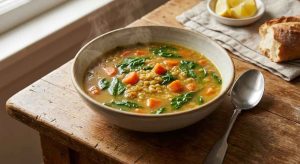
A cheap, comforting meal, lentil soup is great for lunch or dinner. Lentils are a good source of protein, fiber and a number of important minerals.
What you will need:
- Lentil
- Tomatos
- Carrots
- Onions and garlic
- Spinach
- Vegetable broth, low sodium
How to make it: Fry the onion and garlic in a little olive oil. Add lentils, vegetables and stock. Bring to a simmer and cook until lentils are tender. Add spinach and serve.
Pick a broth that is low in sodium and season it with herbs, spices and lemon juice instead of loads of salt.
Chickpea Spinach Salad
You can add protein and fiber-rich ingredients to make a salad more satisfying. Spinach and chickpeas are a handy combo for a quick lunch.
Ingredients:
- New spinach
- Canned Chickpeas
- Cucumber
- Tomato
- Onion, red
- Olive Oil and Lemon Juice
Preparation: Wash and cut vegetables. Add the chickpeas and spinach and toss with a homemade lemon dressing.
Serve this salad with whole grain bread for a more filling meal.
Read more article-Walking For Weightloss – Walk More To Lose Weight
Porridge with fresh fruit and nuts

oatmeal-fresh-fruit-and-nuts
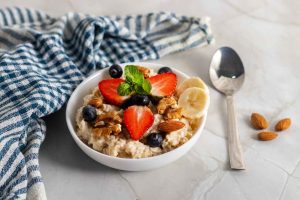
Oatmeal is a basic breakfast that’s packed with soluble fiber, including beta-glucan. Oats can help you maintain healthy cholesterol levels when eaten as part of a balanced overall diet.
INGREDIANTS:
- Oats (rolled)
- Milk or fortified non-sweetened alternative
- Banana, sliced or berries
- unsalted nuts, chopped
- Cinnamon bark.
Method of preparation: Cook the oats with water or milk. Serve with fresh fruit, a small handful of nuts and a pinch of cinnamon.
Choose plain oats over heavily sweetened instant types. Fresh fruit adds natural sweetness without a lot of added sugar.
Sweet Potato Chicken Bake
Skinless chicken is a good source of protein and sweet potatoes are a source of carbohydrates, fiber and beta-carotene.
Ingredients and Directions:
- Boneless skinless chicken breast
- sweet potato
- Green beans (bush beans)
- Olive oil
- Garlic, black pepper and paprika
Preparation: Season chicken and sweet potatoes with herbs and spices. Cook until the chicken reaches a safe internal temperature and the potatoes are tender. Serve with steamed green beans.
Baking instead of deep-frying can also cut down on added fat.
Whole wheat vegetable pasta
When you choose healthy ingredients and serving sizes, pasta can fit into a balanced eating pattern. Whole-wheat pasta usually contains more fiber than refined pasta.
Ingredients:
- Whole wheat pasta
- Tomato
- Fungus
- Notes: Spinach
- Garlic
- oils (olive oil)
How to make it: Cook pasta according to package directions. Sauté the vegetables with the garlic and some olive oil. Add all ingredients and season with black pepper and herbs.
Substitute a tomato-based sauce for a heavy cream sauce to reduce saturated fat.
Fish on the grill with steamed vegetables
Fish with vegetables is an easy way to get a protein-packed meal. Use a local fish and season to taste.
Ingredients:
- fish filet
- Broccoli or other seasonal vegetables;
- Juice of lemon
- Garlic and ginger
- A dash of oil
Preparation: Marinate the fish in lemon juice, garlic, ginger and spices. Grill, bake or pan-fry in nonstick pan until done. Serve over steamed vegetables and brown rice, if desired.
Adding fresh herbs and spices will add flavor and help you cut back on added salt.
Roll of Beans and Vegetables
The bean wrap is my easy go-to on busy days. The beans add a little plant protein and fiber, and the vegetables add some color and nutrients.
What you’ll need:
- Tortillas, whole wheat flour
- Beans, boiled
- Lettuce leaves
- Tomato Tomato
- Cucumbers
- Yogurt (plain or homemade yogurt, dressing)
Preparation: Gently mash the beans with herbs and spices. Spread on a whole wheat tortilla, top with veggies and a little yogurt dressing. Serve & roll.
If using canned beans, try to use a no-salt-added variety or rinse the beans and drain prior.
- Stir-Fried Tofu & Veggies
tofu-stir-fry-colorful-vegetables
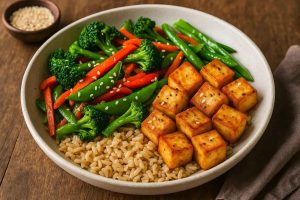
Tofu is a plant-based protein that’s perfect for quick meals. It’s colorful with vegetables and can be served with brown rice.
Ingredients:
- Extra firm tofu
- Broccolis
- Capsicum
- Carrots
- Garlic and ginger
- A dash of olive or canola oil.
How to: – Dice tofu and fry in a non stick pan. Add the chopped vegetables to the garlic and ginger. Stir-fry until the vegetables are tender but still slightly crisp.
Add a little reduced sodium soy sauce if you like. Regular soy sauce is often high in sodium.
How To Make Heart Healthy Food Taste Better
Healthy cooking doesn’t mean boring food. Small changes may improve the nutritional quality of your meals, without compromising on taste.
Herbs, Spices, and Citrus
Add flavor to meals with garlic, ginger, turmeric, black pepper, fresh herbs, lemon juice and vinegar. These ingredients mean you don’t need to add as much salt.
Healthier Cooking Techniques
Try baking, grilling, steaming, roasting or sautéing with a little oil. These practices reduce the need for deep frying and excess added fat.
Replace ingredients with less nutrition
Use simple swaps when making favorite recipes:
- Choose whole grains over some refined grains.
- Replace some processed or fatty meats with beans or lentils.
- Use unsaturated vegetable oils in preference to butter wherever possible.
- Use plain yogurt instead of heavy cream in recipes where it fits.
- More often choose fresh fruit over sugary desserts.
Beware of sodium in packaged foods
Bread, sauces, canned foods, ready-made soups and seasoning mixes can contain a lot of sodium. Look at nutrition labels and pick lower-sodium items when possible.
The American Heart Association suggests rinsing canned beans and vegetables to help reduce some of their sodium.
Read more article-12 Healthy Green Foods and Their Benefits Green Food
How to Prepare a Well-Balanced, Heart-Healthy Meal
A simple plan for meals is to include some vegetables, a healthy carbohydrate and a protein source. For lunch you can mix brown rice, grilled fish and steamed vegetables.
For dinner, you could have lentil soup with whole grain bread, or baked chicken with sweet potatoes and greens. Oatmeal with fruit and nuts is a quick breakfast alternative to heavily sweetened breakfast foods.
You can work these ideas into your budget, into your culture, into what you have available to you. In Bangladesh, lentils, seasonal vegetables, beans, oats and locally available fish can be good choices for balanced meals.
It’s better to have many imperfect recipes than one perfect one. Good health is the result of a varied diet, daily physical activity, adequate sleep and proper medical care.
People have different needs. Anyone with heart disease, kidney disease or some dietary restrictions should consult a qualified healthcare professional for individual advice.
Heart Healthy Foods FAQ’s
What are some good heart healthy meals to eat daily?
Good choices are meals that include vegetables, whole grains, beans, lentils, fish, nuts and lean proteins. Examples are lentil soup, grilled fish with veggies, oatmeal with fruit, brown rice bowls.
What foods are good for heart-healthy eating?
Eat lots of different fruits and vegetables. Choose whole grains, legumes, nuts, seeds, and adequate sources of protein. Choose healthier oils, cut back on added sugar, saturated fat and excess sodium.
Are the healthy food choices vegetarian friendly?
Yes. Healthy vegetarian meals are based on lentils, chickpeas, beans, tofu, nuts, seeds, whole grains and vegetables.
4.How can I cut back on salt in my food?
Cook more meals at home, read labels on packaged foods, choose lower-sodium products and flavor foods with herbs, spices, garlic, ginger, citrus and vinegar.
Fish and Your Heart
Fish is a source of protein and oily fish such as salmon offer omega-3 fatty acids. One practical way to include fish in a balanced eating pattern is to bake or grill fish with vegetables.
Can I eat rice on a heart-healthy eating pattern?
“Yes. Rice is included in a well-rounded diet. Brown rice has more fiber than white rice, but how much are you eating and how balanced is the rest of your meal? Serve with rice, vegetables and a suitable protein.
Summary
It can be simple. It can be inexpensive And making healthy meals can be fun. Heart-healthy dishes provide practical inspiration for breakfast, lunch and dinner, with ingredients easily adapted to different tastes and budgets.
Make some simple changes like eating more vegetables, choosing whole grains more often, adding beans or fish, and cutting back on too much salt. And over time, these small choices add up to a balanced eating pattern that supports your overall well-being.
Want more practical nutrition inspiration? You’ll find it in the healthy eating and recipe guides over at Everyday Fit Tips.