
12 Healthy Green Foods and Their Benefits Green Food
12 Healthy Green Foods And Their Benefits – Healthy Food
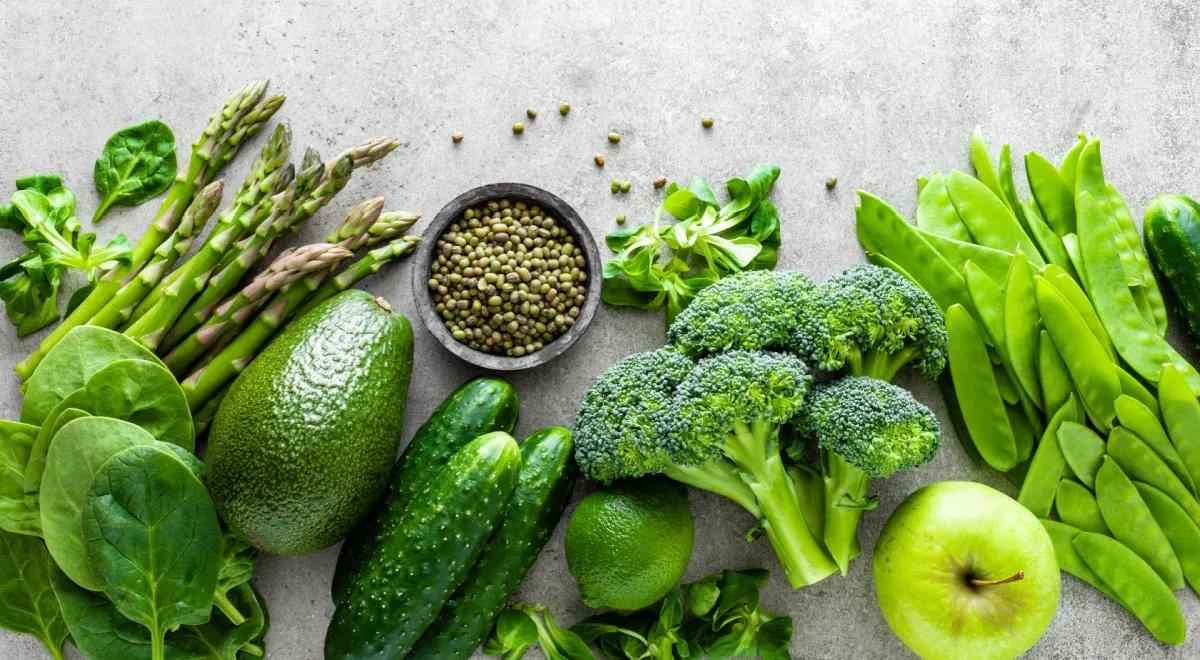
Green food makes an important part of a well-rounded diet as many green vegetables and fruits contain essential vitamins, minerals, fiber and other beneficial plant compounds. Spinach and broccoli, green apples and avocado, these foods can help to provide a varied and nutritious diet.
Adding green food to your plate doesn’t have to be complicated. Add leafy greens to breakfast, make a fresh salad for lunch or serve steamed broccoli with dinner. Many are low cost, easy to prepare and perfect for day-to-day meals.
In this guide, we’ll explore 12 healthy green foods, the nutritional benefits they offer, and practical ways to make them a regular part of your diet.
What Is Green Food?
Green food is usually naturally green vegetables, fruits, herbs and other plant based foods. The green color they have is often from a pigment called chlorophyll. Plants use chlorophyll to absorb light to do photosynthesis.
Many green foods are rich in nutrients such as vitamin C, vitamin K, folate, potassium and dietary fiber. But the nutritional value depends on the food, the variety and the way it is prepared.
Green foods can be part of a healthy diet, but no single food can give you all the nutrients you need. Eating a variety of fruits and vegetables of different colors is a simple way to add variety to the diet.\
Read more-Low Calorie Meals For Healthy Eating
12 Healthy Green Foods You Should Add to Your Diet
Spinach

spinach-broccoli-nutrient-rich-greens
Spinach is a leafy green vegetable and a source of folate, vitamin K and carotenoids. It also provides a source of non-heme iron, the type of iron found in plant foods.
You can get vital nutrients as part of a well-rounded diet by including spinach in your daily meals. Eating spinach with vitamin C sources such as tomatoes or bell peppers increases the absorption of non-heme iron.
How to eat it: Add spinach to omelets, soups, salads, lentil dishes or vegetable smoothies.
Broccoli
Broccoli is a healthy green vegetable that contains vitamin C, vitamin K and fiber. It also contains plant compounds like glucosinolates that scientists continue to study for their possible health effects.
If you want to increase your vegetable consumption and get important nutrients, include broccoli in a varied diet.
How to eat it: steamed, roasted with olive oil or tossed into stir-fries and vegetable soups.
Green Apples

green-apples-avocado-kiwi-fruits
Green apples are a source of dietary fiber, vitamin C and plant compounds. Their fiber content includes pectin, which is important for normal functioning of the digestive tract.
They are also handy to eat as a snack because they don’t require a lot of prep. You’ll also typically get more fiber out of the whole fruit than you will from drinking filtered apple juice.
How to eat them: Snack on a whole apple, slice into oatmeal or pair with plain yogurt.
Cabbage
Kale is a dark leafy green vegetable that is loaded with vitamins A, C and K, carotenoids and other plant compounds. It can bring flavor, texture and dietary variety to everyday meals.
It’s particularly interesting for its vitamin K content. If you are taking warfarin or other related medications, try to keep your vitamin K intake consistent and discuss any major dietary changes with your healthcare professional.
How to eat it: Add chopped kale to soups, lightly sauté with garlic or mix into a salad.
Read more-Easy dinner ideas – 7 quick meals to prepare
Avocado .
Avocado is a green fruit that is creamy and contains unsaturated fats. It’s also a source of fiber, folate and potassium.
Replacing some saturated fat sources with unsaturated fats can support heart-healthy eating patterns. Avocado is a high-energy food, so eat it in portions that suit your appetite and nutrition needs.
How to eat it: Mash and spread on toast, slice into sandwiches, or stir into salads.
Peas green
green-peas-beans-brussels-sprouts
Green peas are a good source of plant protein, dietary fiber, folate and other nutrients. They also make for a handy ingredient for fast meals.
Their combination of protein and fiber can help you build a filling meal when paired with other healthy foods.
How to eat them: Add peas to rice, soups, vegetable curries, pasta, or homemade mixed vegetable dishes.
Cucumber
Cucumber has a high water percentage and helps with the daily fluid intake. It also provides small amounts of a few vitamins and minerals.
Cucumber is refreshing and easy to add to meals, although not as nutrient-dense as some leafy greens.
How to eat it: Toss into salads, serve with yogurt-based dips or alongside a sandwich.
Green Bell Pepper
Green bell peppers also contain vitamin C, fiber and other plant compounds. Vitamin C contributes to the normal function of the immune system Vitamin C contributes to the normal formation of collagen for the normal function of the skin
Green peppers are a little different in flavor and nutrient content from red and yellow peppers, so they can be a helpful addition to a varied diet.
How to eat them: Add sliced peppers to stir-fries, omelets, salads or your own wraps.
Green Beans
Green beans are a good source of fiber, vitamin C, vitamin K, and folate. They are a versatile vegetable that can be added to many balanced meals.
In addition to cooking green beans without excess oil or seasoning, their natural flavor can be highlighted without over-reliance on salt.
How to eat them: Steam them, sauté them or cook them in vegetable curry with garlic and spices.
Sprouts, Brussels
Brussels sprouts are a member of the cruciferous vegetable family that also includes broccoli and cabbage. They are a good source of fiber, vitamin C, vitamin K and other plant compounds.
When roasted, their flavor becomes milder, somewhat sweeter. Cooking them until tender makes them more palatable for those who don’t usually eat cruciferous vegetables.
How to eat them: Roast halved Brussels sprouts, steam them or add them to a warm vegetable salad
Kiwifruit
Green flesh, vitamin C, fiber and potassium are found in kiwi fruit. It can be a great way to add some fruit variety to your breakfast or snacks.
The fiber and water in it contribute to a healthy eating pattern that supports normal digestive function.
How to eat it: Cut kiwi into pieces to throw into your fruit salad, add to oatmeal or eat plain with yogurt.
12.Cabbage Green
The green cabbage is a low cost vegetable that provides vitamin C, vitamin K and fiber. It is commonly used in home cooking and can be eaten raw or cooked.
Cabbage is a great way to add more variety of vegetables to meals without having to spend a lot of money on ingredients.
How to eat: Make cabbage salad Add shredded cabbage to vegetable soup Cook with carrots and other vegetables
Health Benefits of Eating Green Food.

A variety of green foods can help in many areas of overall health.
Supports Digestive Health
Many green vegetables and fruits are good sources of fiber. Fiber helps keep your bowel moving normally and helps keep digestion regular. If you increase the amount of fiber you eat slowly and drink enough fluids, you can better tolerate a high fiber diet.
Provides Key Vitamins and Minerals
Spinach, kale, broccoli and other green vegetables have different combinations of vitamins and minerals. These nutrients contribute to normal immune function, blood clotting, energy metabolism and bone health.
Assists with heart healthy eating
Many green plant foods are also sources of fiber, potassium, and beneficial plant compounds. Adding them to a diet that includes whole grains, legumes, nuts and appropriate sources of protein can support cardiovascular health.
Promotes Greater Dietary Diversity
Different greens will bring a variety of nutrients, flavors and textures to a meal. Combining green vegetables with orange, red, purple, and other colorful produce enables you to consume a greater variety of plant foods.
Ways to Incorporate More Green Food into Your Daily Diet

You don’t have to completely change your diet to eat more green foods. Start by making small, practical changes.
At breakfast: Add spinach to eggs or sliced green apples to oatmeal.
Lunch: Sandwich or salad with cucumber, green pepper or leafy greens.
Dinner: Your regular meal, with broccoli, green beans, peas or cabbage.
You can opt for kiwi, green apple or cucumber slices with an appropriate dip for a snack.
for cooking: Wash and prepare vegetables beforehand and store safely in the refrigerator.
Fresh, frozen, or canned vegetables can be part of a nutritious diet if stored properly.
Frozen vegetables are especially handy when fresh ones are out of season or cost a lot.
Wash fresh fruits and vegetables in running water before preparing or eating them.
Do not wash fruits and vegetables with soap or other household cleaning products.
Read more-curing-gastroparesis, Diet & Symptom Relief
is the Green Color of Green Foods Better for You Than Other Colored Foods?
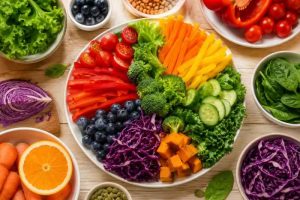
Green foods are nutrient-dense, but they’re not automatically healthier than all the red, orange, yellow, or purple foods.
For example, carrots contain beta-carotene, tomatoes contain lycopene, and berries contain other plant compounds. Green veggies have their own special mix of vitamins, minerals and fiber.
The best way is to eat a variety of vegetables and fruits, not just a color. Different foods give different nutrients and variety makes meals more enjoyable.
FAQ
What are the healthiest green foods?
Spinach, broccoli, kale, green peas, green peppers, green beans, and green cabbage are all healthy options. Green Apples, Kiwi and Avocado also can be a good source of important nutrients in a well balanced diet.
Can we eat green food every day?
Yes. A healthy eating pattern includes a variety of green vegetables and fruits that most people can eat every day. Eat a variety of different foods during the week, to ensure a wider range of nutrients.
What food is green and high in iron?
Spinach and other leafy greens are non-heme iron sources. Other sources of iron include lentils, beans and fortified foods. Vitamin C can improve absorption of iron when consumed with non-heme iron sources.
Is green food helpful for digestion?
Green fruits and vegetables are a source of fiber, which helps normal digestion and bowel function. Increase fiber gradually and drink plenty of fluids to help your body adjust to the added fiber.
Are green smoothies healthy?
A simple way to blend greens and fruit together is with green smoothies. If you want something a little more balanced, add plain yogurt, milk or an appropriate alternative for protein. Or you can eat whole fruits and vegetables. Chewing them may make you feel full.
Eating green veggies only for health?
No. You’d have to eat a lot of green vegetables to get all the nutrients your body needs. Eat a well-rounded diet with a variety of vegetables, fruits, proteins, whole grains and healthy fats.
Summary
Green foods are a tasty and easy part of a well-balanced diet. Green foods like spinach, broccoli, kale, green apples, avocado, peas, and others contain a variety of fiber, vitamins, minerals and plant compounds.
Start with a couple of green foods in meals you already enjoy. Try different ways to cook, use fresh or frozen foods that are within your budget, and mix green foods with foods from other food groups.
It’s better for long-term health to have a varied diet of all different kinds of foods rather than focusing on one food or one color of food.




One thought on “12 Healthy Green Foods and Their Benefits Green Food”
Comments are closed.