
curing-gastroparesis, Diet & Symptom Relief
curing-gastroparesis, Diet & Symptom Relief
Introduction
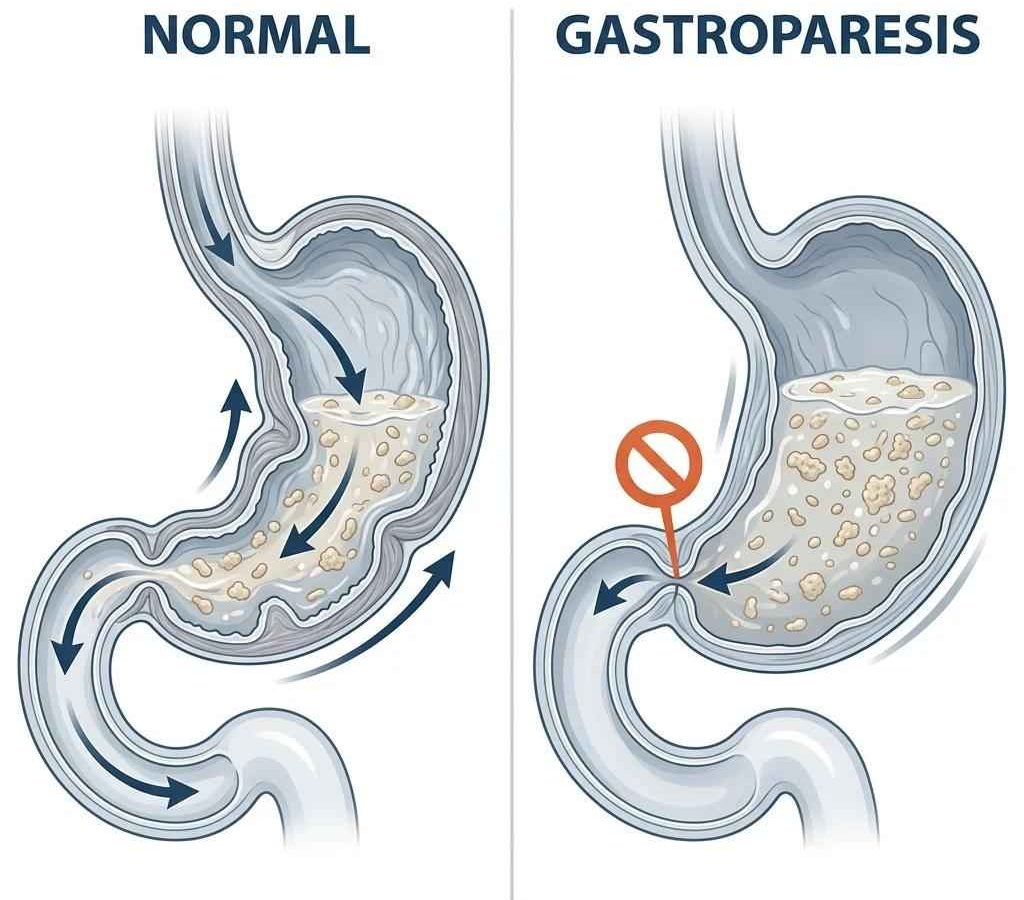
If you are looking for information on how to curing gastroparesis you should know that treatment is based on the cause, severity of symptoms and how your body responds to treatment. Gastroparesis is a condition in which the stomach cannot push food into the small intestine, without there being a physical blockage.
People who are affected might feel sick, throw up, feel bloated, have abdominal discomfort or feel full after eating a small amount. These symptoms can interfere with getting enough nutrition from food and fluid.
There is no magic cure, but with proper treatment of the condition with medication, changes to your diet and managing any underlying conditions, many people can improve their symptoms and quality of life.
Gastric Neuropathy: What is it?
Gastroparesis (delayed gastric emptying) is a condition in which the muscles of the stomach do not work properly to move food into the small intestine. This occurs when the nerves or muscles that control movement in the stomach are not functioning properly.
Diabetes is a well recognized cause. Other potential causes include certain neurological diseases, hypothyroidism, a history of surgery on the digestive tract, and some medications. Most of the time, the cause is unknown.
Symptoms of Gastroparesis Typical Symptoms of Gastroparesis

Symptoms differ from person to person. These might be:
- You start eating and you get full.
- Stay full for a long period after eating.
- Nausea and/or throwing up
- bloating, belching excessively, pain in the upper abdomen
- Heartburn (Acid Reflux)
- Loss of appetite;
These symptoms can also be caused by other digestive disorders. Your healthcare provider can help figure out if it’s gastroparesis or something else.
Read more–What supplemental vitamins for vegetarians, Do You Need as a Vegetarian?
Can you Cure Gastroparesis?
There is no one treatment that cures all gastroparesis cases. If there’s a cause that can be found and treated, the symptoms may improve. For example, people with diabetes-related gastroparesis should be especially careful to monitor their blood glucose levels.
Treatment is mainly directed at improving stomach emptying where possible, reducing nausea and vomiting and maintaining hydration and preventing malnutrition unless a cause is known or the condition is chronic.
The doctor can use symptoms, medical history, and test results to create a treatment plan. Beware of unproven remedies that promise to cure you permanently.
Gastroparesis: Treatment Choices
Treatment may include dietary changes, prescription medication and additional nutritional support as needed.
Changes in diet

common-gastroparesis-symptoms

Changing your diet may help to reduce your symptoms and make sure you get enough calories, nutrients and fluids.
Your health care provider may recommend:
- Instead of 5-6 big meals, have 5-6 small meals throughout the day.
- Select soft foods that are easy to digest and well cooked.
- Suggests eating less fat and fiber in foods.
- Chew hard.
- Drink fluids throughout the day.
- If you have difficulty eating solid foods, try blended or liquid foods.
Everyone’s diet is different, so not everyone with gastroparesis will have the same dietary restrictions. A registered dietitian can help you develop an appropriate meal plan.
Take the medication as directed.

Take the Medication as Directed

Sometimes doctors will give medication to help the stomach move food along, or to control nausea and vomiting.
Some medicines may improve the function of the stomach muscles. Others are for symptom control, like nausea. They all have different risks and benefits so it’s really an individual choice.
Don’t stop, start or change any prescription medicines without talking to your doctor. Some drugs may also delay stomach emptying . So be sure to tell your health care professional about all of the medicines and supplements you take.
Manage diabetes and other underlying conditions
Blood glucose management is an important part of gastroparesis management for people with diabetes. High blood glucose can also slow down stomach emptying.
Eating habits and digestion may change, and a healthcare provider may adjust a person’s diabetes management plan as necessary. Treat as appropriate for other underlying conditions.
Do not change the dose of your insulin or any other prescribed therapy by yourself.
Read more-Walking With Weights: How to Begin, Benefits & Tips
Consider Alternative Treatment for Severe Symptoms
If dietary and medication changes aren’t bringing relief, you may need to see a specialist. Depending on the circumstances, interventions may include nutritional support through a feeding tube, procedures to relieve pressure in the stomach or specific therapy with devices.
These are not the approaches for everyone. A gastroenterologist can talk about the possible benefits and risks and whether an advanced treatment is appropriate.
Lifestyle Habits That May Ease Symptoms

Daily habits are a good adjunct and not a substitute for medical treatment.
Eat Less, Eat Less Often
Large meals can make you feel bloated and uncomfortable. Some people prefer to eat smaller meals more often throughout the day.
Keep drinking.
Decreased food intake and vomiting can increase the risk of dehydration. Drink plenty of fluids. Follow any medical advice given to you.
Don’t go to bed right after eating
If possible, lie down for about two hours after eating. If you can, gentle walking or other mild activity might help too.
Start a Food/Symptom Journal
Keep a log of what you eat, symptoms and any trends you see. Your health care professional or dietitian may use this information to determine which foods you tolerate better and to adjust your treatment plan.
These approaches align with the dietary recommendations of the National Institute of Diabetes and Digestive and Kidney Diseases.
Best Foods to Eat & Dietitian Chat
Another is food tolerance. Certain foods can impact symptoms of gastroparesis based on their texture, fat and fiber content.
| Food group | Examples to discuss with your care team |
| Soft carbohydrates | Mashed potatoes, soft rice, refined bread |
| Protein sources | Eggs, tender fish, soft tofu |
| Cooked foods | Well-cooked, peeled vegetables |
| Liquids | Broth, suitable nutrition drinks |
| Foods that may worsen symptoms | High-fat fried foods, tough high-fiber foods, fizzy drinks |
This is a general guide not a personal meal plan. You may need to limit some foods depending on your symptoms, nutritional needs and other medical conditions. Don’t remove whole food categories from your diet without expert guidance.
When to see a doctor
See a health care provider if you: Feel full after eating small amounts of food Have ongoing nausea or vomiting Lose weight without trying
Get medical help right away if you have severe or ongoing stomach pain, vomit blood, pass out, are very weak, or show signs of dehydration. Frequent vomiting can lead to serious complications.
Early assessment can help identify the cause of the symptoms and reduce the risk of malnutrition and dehydration.
Frequently Asked Questions (FAQs)
Can gastroparesis be cured for good?
Not all cases can be permanently cured. Some people get better when the underlying cause is treated . Others need ongoing treatment to control symptoms and to maintain enough nutrition .
Best treatment for gastroparesis?
There is no one best treatment for everyone. Depending on the severity and cause, doctors may recommend dietary changes, medication, management of underlying conditions, or nutritional support.
What do I eat with Gastroparesis?
Some people find smaller meals of soft, well-cooked lower-fat and lower-fibre foods more comfortable. A dietitian can help you choose foods that fit your symptoms and nutrition needs.
Does drinking water help with gastroparesis?
Adequate fluid intake is important in maintaining hydration especially when vomiting or decreased food intake is a problem. But water is not a cure for gastroparesis.
How long does it take for gastroparesis to get better?
The time it takes to get better depends on the cause, severity and response to treatment. Some will respond to dietary and medical management while others require longer term care.
Does exercise cure gastroparesis?
Exercise is no panacea. Gentle activity after a meal may help some people to manage their symptoms, but it should be adapted to individual tolerance and medical advice.
Conclusion
The first step to finding an effective approach to curing gastroparesis is getting an accurate diagnosis and understanding the condition. While a permanent cure is not always possible, proper treatment can help control symptoms, aid in nutrition and enhance the quality of daily life.
Better symptom control can be achieved with smaller meals, food choices and adequate fluid intake and management of underlying conditions. You should see a licensed healthcare professional for an appropriate treatment plan for you.




One thought on “curing-gastroparesis, Diet & Symptom Relief”
Comments are closed.