What supplemental vitamins for vegetarians, Do You Need as a Vegetarian?
Introduction:
A vegetarian diet can provide plenty of important nutrients from vegetables, fruits, whole grains, beans, nuts and seeds, eggs and dairy products. But depending on what you’re eating, you might want to pay closer attention to certain vitamins and minerals.
Knowing which vitamins are needed by vegetarians can help you spot where your nutrition may be lacking and make smarter decisions about your diet. The nutrients of concern for a vegetarian or vegan eating pattern are vitamin B12, vitamin D, iron, calcium and iodine.
Not all vegetarians require supplements. Your needs vary according to your diet, age, health and individual nutritional requirements. You should still eat a well-rounded diet for your nutrition and take supplements if you need to.
Why vegetarians may sometimes need supplements
Vegetarian diets do not include meat, vegan diets do not include any animal products including dairy products and eggs. Those differences affect the nutrients that food provides.
For instance, people who consume dairy and eggs can obtain vitamin B12 from their diet. Vegans usually have to obtain vitamin B12 from fortified foods or supplements.
If the diet is not varied, and important food groups are excluded, other nutrients may have to be looked at. Well-planned vegetarian diets can meet nutritional needs but fortified foods and supplements can help to fill some specific gaps.
Vitamin B12: The Important Nutrient For Vegetarians

vitamin-b12-food-sources-for-vegetarians
Vitamin B12 helps your body make red blood cells and keep your nerves healthy. Long-term deficiency can lead to neurological disorders and anemia.
Vitamin B 12 is naturally occurring, found mainly in foods of animal origin. Vegetarians can get some B12 from dairy products and eggs but vegans must find another reliable source.
How to Get Your Daily Dose of B12
- Useful sources include:
- Breakfast cereals fortified with vitamin B12
- Fortified Vegan Milk
- fortified nutritional yeast
Vitamin B12 supplementation as needed
Not all plant-based foods are fortified with vitamin B12, always check the product labels. If you are vegan, check with a health care professional for a reliable source of B12.
2.Vitamin D and bone health
Vitamin D is a vitamin that helps the body absorb calcium and is essential for healthy bone formation. Some people might not get enough from food and sun alone.
Other fortified foods such as fortified milk, fortified plant-based drinks are also sources of vitamin D for vegetarians. A minor source of egg yolks. Mushrooms grown in the presence of UV light may contain vitamin D, depending on how they were grown.
Vitamin D and vegetarian diet.
If you are deficient or have other risk factors for deficiency, you may need to supplement with vitamin D. But not all vegetarians require one.
Consult a health professional to determine whether supplementation is appropriate for you and how much to take. Do not take high doses without the supervision of a doctor.
Iron: Helps make healthy red blood cells

iron-rich-vegetarian-foods-vitamin-c
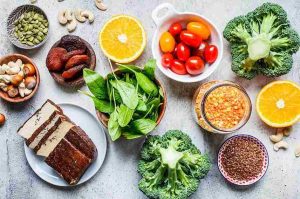
Iron is also needed to make hemoglobin, the protein that carries oxygen in the blood. In plant-based diets, the iron is non-heme iron and is not absorbed as well as the heme iron from animal foods.
Good vegetarian sources include lentils, beans, chickpeas, tofu, pumpkin seeds and iron-fortified cereals.
Read more–The Right Way to Eat Fruits and Their Benefits: When and How to Eat Fruits
How To Increase Iron Absorption
Combine iron-rich plant foods with vitamin C sources like oranges, guava, tomatoes, bell peppers or strawberry. Vitamin C aids your body in absorbing non-heme iron.
Not all vegetarians need an iron supplement. Iron is good but excessive iron can be dangerous. If you are experiencing symptoms of a deficiency, or have questions about your iron intake, talk to a health care provider.
Calcium for Healthy Bones and Teeth
Calcium is also needed for strong bones and teeth and for muscles and nerves to work properly.
Vegetarians who eat dairy get their calcium from milk, yogurt and cheese. Fortified plant drinks, calcium-set tofu and some green leafy vegetables are sources of calcium if you are on a vegan diet.
When should you take calcium supplements?
If you do not get enough calcium in your diet, talk to a health care professional about supplements. 1st And first of all, food sources should be considered.
The amount of calcium will vary between brands, so always check the nutrition label on fortified products. Whether you need a supplement depends on your overall diet and your individual needs.
Iodine for Proper Thyroid Function
Iodine is a component of the thyroid hormones, which help control some of the body’s important functions.
Vegetarians who consume dairy and/or eggs can get iodine from these foods depending on the diet and food availability. Vegans need to be more conscious of the amount of iodine they consume.
Iodized salt contains iodine but use it in small amounts Seaweed is not a reliable source as the iodine content varies greatly.
Not everyone is suited to iodine supplements. Too much iodine can also affect thyroid function, so check with a health care provider before taking a supplement.
Omega 3 Fatty Acids For General Health

plant-based-omega-3-food-sources
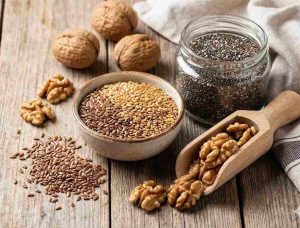
Omega-3 fatty acids are an important part of a healthy diet. Sources from plants include chia seeds, ground flaxseed, walnuts and canola oil .
These foods provide an important omega-3 fatty acid called alpha-linolenic acid (ALA). The body can convert a small amount of ALA into EPA and DHA.
If you don’t eat fish, and have a reason to supplement, you might want to look for an algae based EPA or DHA product. But not all vegetarians need these products and needs vary from person to person.
Read more–8 Protein-Packed Grains to Add to Your Diet
How to pick vegetarian vitamin supplements

Before you begin taking a supplement, take a look at your typical diet to see if there are any nutritional gaps.
Do these practical things.
See what you eat Do you eat a variety of nutrient-dense plant foods and eat fortified foods regularly?
Check supplement labels: Check the ingredients, nutrients and suggested serving size.
Don’t go too crazy with the big numbers: More vitamins and minerals don’t always mean more benefits.
Consider your needs: Your nutritional needs will depend on your age, your health, your medications, and your life stage.
Seek professional advice: A healthcare professional or registered dietitian can advise on the need for testing or supplementation.
Multivitamins are useful in some instances but they are not going to replace a well-rounded diet or solve every nutritional problem.
Frequent Errors to Avoid
Common planning mistakes with vegetarian diets:
- All vegetarians require the same supplements.
- Iron, whether you want it or not.
- You take a supplement without looking at the ingredients.
- On the assumption that all plant milks are fortified with vitamin B12 or D.
- Taking a lot of supplements that have the same stuff in them.
- Instead of eating a varied diet, they use supplements.
Some supplements can interact with medications or may not be appropriate for certain health conditions. If you are on medication or have a diagnosed deficiency, speak to a qualified health care professional before starting a new supplement.
FAQ (Frequently Asked Questions)
Most helpful extra vitamins for vegans?
One vitamin that is especially worth mentioning for vegans is vitamin B12. Depending on food intake and individual circumstances, attention may also be needed to vitamin D and nutrients such as iron, calcium and iodine.
Do all vegetarians use B12 supplements?
Not quite. Vegetarians can get enough B12 from their diet if they eat dairy products and eggs or fortified foods. Vegans need to find a reliable source of B12, either from fortified foods or supplements.
Do vegetarians need to take supplements for enough iron?
Yes . Iron-rich foods include lentils, beans, chickpeas, tofu, seeds and fortified cereals. These sources can be consumed with vitamin C rich foods to increase uptake. Some will need supplements, but don’t assume that.
Is it contains multivitamins and vegetarian diet?
A multivitamin can help fill some of the nutritional holes, but ingredients and amounts vary. It may not give you all you need, so be sure to check your diet and see a professional if need be.
Should vegans take supplements?
Of course. There are plenty of supplements that don’t have any animal ingredients in them. If you want to avoid animal products, check the label to see where the vitamin D comes from, where the capsule comes from and what other ingredients are used.
Is it OK to take vitamin D and iron together?
Whether you need both depends on your nutritional status and your health needs Don’t think you need multiple supplements. A health care provider can help you decide which products and how much are right for you.
Abstract.
The first step in choosing the right supplement vitamins for vegetarians is to be aware of your diet and possible nutritional deficiencies. Vegans need vitamin B12 in particular, and it’s also worth thinking about vitamin D, iron, calcium, iodine and omega-3 fatty acids.
Good nutrition is based on a varied diet with beans, whole grains, vegetables, fruits, nuts and seeds and appropriate fortified foods. Supplements can be useful when you need them, but taking them for no good reason opens you to the risk of unnecessary harm.
For tailored help in making informed choices about your nutritional needs, consult with a qualified health professional or registered dietitian.




One thought on “What supplemental vitamins for vegetarians, Do You Need as a Vegetarian?”
Comments are closed.