
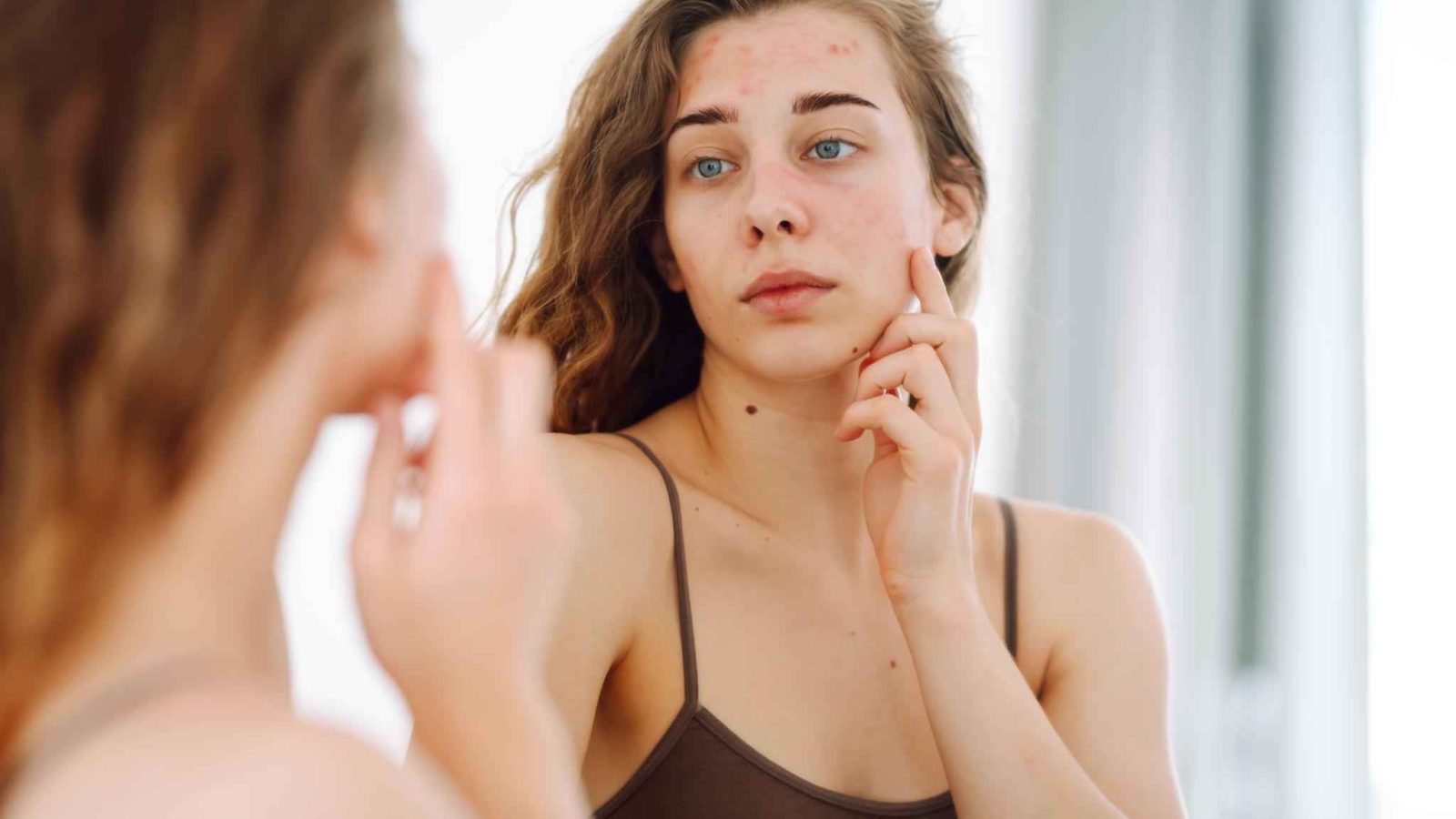
7 Gentle Tips to Get Rid of Acne Redness
Introduction
Acne redness can make pimples seem more obvious and leave your skin feeling sore and uncomfortable. This can happen when a blemish gets inflamed, but also can happen from using aggressive skin care products, washing too much, or certain acne treatments.
If you’re looking for how to get rid of acne redness, step one is treating your skin gently, not drying out every pimple. You can calm down the irritation and help your skin heal itself naturally with a simple skin care routine, the right acne treatment and daily sun protection.
Redness may improve as inflammation improves, but how long it takes depends on the cause and your skin. Below are seven practical tips to safely care for acne-prone skin.
Why Do Pimples Turn Red?
Acne develops when hair follicles become blocked with oil and dead skin cells. Inflammatory acne can cause red, swollen or sore lumps.
Redness may be caused by several things:
Inflamed zits: When your skin gets inflamed, an acne bump can turn red and swell up.
Rough skin care products. Harsh cleansers, over-exfoliation and too many acne treatments can irritate skin.
Picking or squeezing pimples: This can cause more inflammation and a higher chance of scarring and dark marks.
Sun exposure: Ultraviolet rays can damage the skin and make some acne-related marks worse.
Skin sensitivity: Scents and other sensitizing ingredients can cause redness or irritation.
Face redness doesn’t always mean acne. Similar symptoms may be caused by conditions such as rosacea or contact dermatitis, so it is important to get an accurate diagnosis.
7 Ways to Reduce Acne Redness
Clean Your Face Softly
The best way to help calm irritated skin is to use a mild cleanser.
Wash your face up to twice a day and after exercise. Choose a mild, non-abrasive cleanser that doesn’t leave your skin feeling tight or uncomfortable.
Rub the cleanser between your fingertips, rinse with tepid water and pat your face dry with a clean towel.
“Stay away from abrasive washcloths or facial brushes, and don’t scrub too hard. These habits can irritate instead of help your skin heal.
Apply a Cool Compress

cool-compress-for-acne-redness
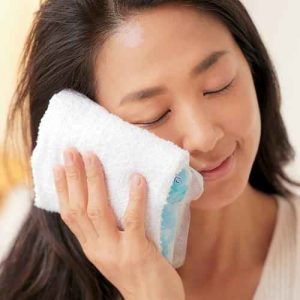
To temporarily relieve the pain, swelling and warmth around an inflamed pimple, apply a cold pack.
To use, soak a clean, soft cloth in cool water and place it gently on the affected area for a few minutes. Do not scratch the skin or press hard on the spot.
You should not place ice directly on the skin of your face because the extreme cold could damage your skin. A cool compress relieves pain temporarily, but does not treat the underlying cause of acne.
Read more–Skin Protection: Your Complete Guide to Healthy Skin
Use a Gentle, Non-Comedogenic Moisturizer

moisturizer-for-acne-prone-skin
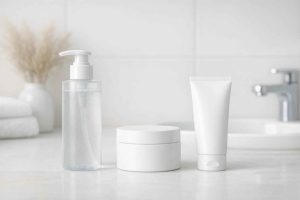
Even if you have oily skin, moisturizer is key. Some acne treatments can make the skin very dry, peeling and irritated, which can make the redness more noticeable.
Choose a fragrance-free moisturizer labeled “non-comedogenic,” which means it’s formulated not to clog pores.
Apply after cleansing on slightly damp skin. Stop using the product and consult a healthcare professional if you continue to experience symptoms such as persistent burning, itching or increased redness.
Comfortably hydrating your skin can help support the skin’s protective barrier.
Don’t Pick or Squeeze Pimples
Picking at acne might feel like a fast solution to a blemish but can worsen inflammation and delay healing.
It can also increase the risk of scarring and post inflammatory hyperpigmentation.
Instead, leave the blemish alone and continue with your normal skin care routine. If you have lots of deep painful pimples, see a dermatologist.
Don’t scrub, poke or aggressively exfoliate your skin to try to get rid of acne.
Monitor Your Acne Treatment
Some acne medications can help control breakouts, but using them too aggressively or mixing too many active ingredients can irritate your skin.
Acne treatment ingredients include benzoyl peroxide, salicylic acid and topical retinoids. But they can make some people feel dry, stinging, peeling or red.
If you start to see redness after using a new product, read the directions and consider asking a pharmacist or dermatologist what you should do next. Do not add extra product to accelerate results.
Introduce new skin care products one at a time, never starting several new treatments simultaneously. If severe skin irritation occurs, stop using the suspected irritating product and consult a doctor.
Look after your skin Credit: The Sun
Sun protection is part of skincare for acne-prone skin. Sun exposure can damage the skin and can make any leftover discoloration more apparent.
Use a sunscreen with a Sun Protection Factor (SPF) of 30 or more and broad-spectrum protection. If you are prone to clogged pores then opt for a non-comedogenic formula.
Apply sunscreen as directed on the label and reapply as needed, such as after swimming or sweating. Hats, shade and protective clothing also can help protect you.
Sunscreen will protect your skin but it won’t get rid of redness or acne right away.
Reduce your skin-care routine
simple-skincare-routine-for-acne-redness

If you notice redness, you might be tempted to apply more product. But a complex routine can make your skin more vulnerable to potential irritants.
A simple routine could be:
morning-
- Wash your face good.
- Use a good moisturizer.
- Finish with broad spectrum SPF 30+ sunscreen.
Night:
- Remove makeup and sunscreen.
- Wash with a gentle cleanser.
- Apply your moisturizer.
- Follow the directions of your health care professional on any acne treatments prescribed.
Avoid using harsh scrubs, strong astringents, or switching products. It’s more helpful to be consistent than to keep trying new remedies.
Read more–Best Skincare Oily Skin Skincare Routine: Step-by-step Guide
How long does redness from acne last?
How long it will take for the redness to go away depends on what caused it.
The redness around a pimple may diminish as the inflammation improves. Redness that won’t go away may not be acne and post-acne marks can take longer to fade.
Acne treatments also take time to be effective. Some treatments may take weeks or longer to show improvement.
Don’t expect to see immediate results, or switch products if you don’t notice a change right away. If the redness doesn’t go away, gets worse, or if you’re breaking out with it a lot, a dermatologist can help you figure out what’s causing it and what kind of care is best for you.
When to see a dermatologist?
If you: Get professional advice
- You have cystic acne, severe acne, or acne that leaves scars.
- Gentle skin care continues with redness.
- Your face is often hot, burning or super sensitive.
- A product causes a big rash or swelling .
- Your skin is more swollen, or painful or warm or you get a fever.
- Your acne is affecting your confidence or making you more emotional.
Get emergency medical help if you have swelling of your face or trouble breathing after using a skin-care product.
A dermatologist can differentiate between acne and other skin conditions and recommend a treatment plan that is right for your skin.
Frequently Asked Questions (FAQs)
How to quickly get rid of acne redness?
You can calm irritation with a cool compress, gentle cleansing and a suitable moisturizer. Avoid picking your pimples and avoid strong products. The redness may not go away immediately.
Does ice diminish redness of acne?
Direct application of ice can damage your skin. A more gentle choice is a clean cloth soaked in cool water which can help temporarily relieve discomfort and swelling.
Will moisturizer make my acne worse?
Usually a good non-comedogenic moisturizer can help support the skin barrier. But a product with annoying ingredients could aggravate the redness, so choose wisely.
Should I stop my acne medication if my skin is red?
Some acne medications may dry out the spot a little, but do not ignore persistent burning, severe irritation, or increasing redness. Talk to your healthcare professional about discontinuing or changing treatment. Read product instructions.
Can I use sunscreen to get rid of my acne redness?
Sunscreens protect the skin from damaging UV rays and can help prevent the more visible permanent discoloration. It won’t directly treat inflamed acne.
Can Acne Redness Result in Permanent Scarring?
Redness and discoloration improve with time but healing is variable. Picking at pimples or leaving inflammation to run its course can increase the chances of permanent marks or scarring. adequate treatment can lower these risks.
Conclusions
The first step to learning how to get rid of acne redness is to find out what is irritating your skin. To lessen redness without further irritating your skin, use a gentle wash, cool compress, appropriate moisturizer, careful acne treatment, and daily sunscreen.
Don’t pick at pimples and don’t use too many active ingredients at once. If the redness continues, becomes painful or does not respond to gentle care, ask a dermatologist for advice on an accurate diagnosis and a treatment plan suited to you.
Healthy skin care is about skin comfort and function, not overnight results.




One thought on “7 Gentle Tips to Get Rid of Acne Redness”
Comments are closed.