

Best Skincare Oily Skin Skincare Routine: Step-by-step Guide
Introduction
Oily skin is a common problem. It can give your face a shiny appearance, especially on the nose, forehead and chin. Some people also get breakouts from clogged pores and too much oil. But having oily skin doesn’t mean you need to scrub your face oil-free.
The right skincare routine for oily skin should balance cleansing, moisturising and sunscreen. If you wash your face too often or use harsh products, you could irritate your skin and make it uncomfortable.
The idea is to keep the skin clean and moisturised, but not to strip away the natural barrier too much.
In this guide, you’ll learn how to create a basic morning and evening skincare routine for oily skin, the ingredients to look for, mistakes to avoid and practical tips for healthy-looking skin.
What Makes Oily Skin?
Oily skin happens when your sebaceous glands make too much sebum for your skin. Sebum is an oily substance that helps protect and lubricate the skin.
Genes, hormones, age, stress, climate and skin care habits can all affect the amount of oil produced.
“Having oily skin isn’t necessarily a bad thing. Sebum is important in maintaining the skin barrier. Thus, the goal of skincare is not to strip the skin of all its oil, but to regulate the excess oil and maintain the skin’s comfort.
Signs Of Oily Skin: Common

If you often see the following, you may have oily skin:
- Shine on the face.
- T-zone oiliness
- Large Porse, Enlarged Porse
- Makeup gets oily quickly
- Blocked pores tend to be
- Occasional outbursts
Some people have combination skin, meaning some areas are oily and some are normal or dry.
Morning Oily Skin Skincare Routine

A simple morning routine can help clear up any oil that has built up overnight and prepare your skin for the day ahead.
Step 1: Cleanse with a mild facial cleanser
Begin your morning with a mild cleanser suitable for your skin type.
A good cleanser will help to remove excess oil, sweat and buildup without drying the skin out too much.
Don’t scrub your face aggressively. Over washing or using a harsh cleanser can be irritating to the skin.
Read more–This 20 Minute Workout Burns More Calories Than Running
What to Expect
Choose products labelled according to your skin’s needs:
- Mild cleanser
- Foam cleanser
- Oil-controlling cleanser
- Non-comedogenic face wash
If you feel tightness or discomfort on your skin right after washing, your cleanser may be too harsh for you.
Step 2: Apply a light hydrating product
Oily skin also needs moisture.
If you prefer an extra layer of hydration, opt for a lightweight serum or gel-based product.
Ingredients such as glycerin, hyaluronic acid or panthenol can hydrate the skin without making it feel heavy.
If your moisturiser is hydrating enough, you don’t need a serum.
Step 3: Use a Lightweight Moisturiser

A very common mistake in oily skin care routine is not using a moisturiser.
When the skin is dehydrated it can feel uncomfortable, look dull or tight. A light moisturiser can help keep skin comfortable.”
Search for:
- Gel or water-based textures.
- Photo Light lotions
- Non-comedogenic formulations
- Fragrance-free options for sensitive skin
The best moisturiser is one that feels good to wear, and plays well with the rest of your routine.
Step 4: Use Sunscreen
Finish off your morning oily skin routine with a broad-spectrum sunscreen.
Select a sunscreen that is comfortable to wear. Choose a light, gel, fluid or non-greasy formula if you prefer something that’s not too heavy.
Follow the directions on the product and use sunscreen regularly when you are going to exposed to daylight.
Nighttime Skincare Routine For Oily Skin
The best part about your evening routine is that you get to take off all that sunscreen, makeup, excess oil and the daily build up.
Step 1: Remove makeup and sunscreen
If you wear makeup or water-resistant sunscreen, remove it gently before cleansing.
Rubbing hard can irritate the skin so do not rub hard.
Step 2: Cleanse Your Face
Next, use your gentle facial cleanser to wipe away any remaining oil and buildup.
Oily skin doesn’t mean an aggressive cleanser.
A perfect cleanser should leave your face feeling clean but not painfully taut.
Read more-Walking For Weightloss – Walk More To Lose Weight
Step 3: Apply Treatment Product if Needed
Some people with oily or acne-prone skin use ingredients such as salicylic acid.
Salicylic Acid is a beta hydroxy acid, and it can help to exfoliate inside the pores. It is often an ingredient in products for acne prone skin.
However, not everyone needs to have an active treatment every nite. Begin with a low dose and follow the directions for use.
Stop use and ask a doctor if irritation develops. If using on a child less than 6 months of age, consult a doctor.
Step 4: Drink water
Finish off your nighttime skincare routine with a good moisturiser.
Oily skin can also benefit from regular moisturising. Or, if you’re not comfortable with rich creams, you can go for a light-weight formula.
Top Products for Oily Skin
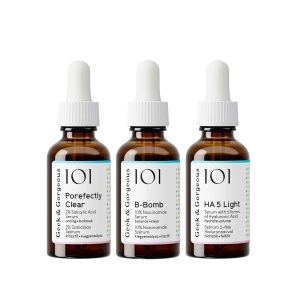
It might be more helpful to select products according to their ingredients, rather than marketing claims alone.
Salicylic Acid
Salicylic acid is used to help exfoliate away dead skin cells and is often used to help with clogged pores and acne.
It may not be good for you, especially if you have very sensitive or already irritated skin.
Niacinamide (Vitamin B3)
Niacinamide (Vitamin B3) is a popular skin care ingredient. It might improve the look of excess oil. And it can strengthen the skin barrier.
It is found in cleansers, serums, moisturisers and other skin care products.
Hyaluronic Acid (HA)
Hyaluronic acid is a humectant, which means it helps to draw in water. It can be hydrating without being thick and greasy.
It is a common ingredient in light weight skin care products.
Glycerin
Glycerin is a popular humectant as well. It helps to hydrate the skin and is an ingredient in many soaps and moisturisers.
Sphingolipids Ceramide
Ceramides are a class of lipids that are naturally found in the skin barrier. They are often added to moisturisers to help build the barrier function.
If your skin is oily, a ceramide moisturiser can still be helpful.
What To Do If You Have Too Much Oil During the day
It doesn’t mean you should wash your face all day long
If a shiny look begins to develop, try blotting papers or pressing a clean tissue lightly on the oiled areas.
Do not rub the skin vigorously.
If you’re outside, remember that wiping off surface oil is not a substitute for sunscreen. Apply sunscreen as directed on the label, especially if you’ll be in the sun for a long time.
Common Mistakes in Caring for Oily Skin
Over-washing your face
More cleansing doesn’t equal less oil.
If you wash too often you irritate your skin and make it harder to maintain the routine.
A steady hand is more practical as a rule.
No Moisturiser
Hydration is still important for oily skin.
Skipping moisturiser can make your routine less comfortable, and may leave the skin feeling dry or tight.
Using abrasive scrubs
Harsh physical scrubs can irritate the skin if used too frequently.
If you need to exfoliate, use an appropriate chemical exfoliant and introduce it gradually.
Overuse of Active Ingredients
Using multiple acids, retinoids, acne treatments and other active ingredients can result in increased irritation.
Introduce new products one at a time so you can see how your skin reacts.
Choosing Products Just Because They Are “Oil-Free”
Oil-free products can be helpful, but you need to look past the label to see if it is right for your skin.
Look at the full formula, texture, ingredients and your own response.
Care for oily skin, weekly
An elaborate weekly routine is generally less important than the simple routine of a day day after day.
If you do use an exfoliating product, follow the directions and don’t overdo it.
Clay masks are another popular choice for oily skin, as they absorb surface oil temporarily. They are still optional and should not make your skin too dry or irritated.
If your skin feels tight or uncomfortable after a mask, decrease how often you use it or stop using it.
Read more-Iron Boost: Best Foods and Tips to Improve Your Iron Intake
Easy Skincare Routine for Oily Skin
Keep it simple.
Morning.
- Mild cleanser
- Hydrating serum (optional)
- Lightweight moisturiser
- Sunscreen (broad spectrum)
Night:
- Remove makeup/sunscreen if needed
- Mild Cleanser
- Product for treatment, optional
- Lightweight moisturiser.
So you get the important steps without lots of products.
Oily Skin and Acne – Are They One and the Same?
Oily skin and acne are related but they are not the same thing.
Oily skin people tend to have clogged pores but that doesn’t mean that they will get acne just because they have oily skin.
Acne can include many factors, ranging from clogged hair follicles, oil production, inflammation, and other biological processes.
If you have regular breakouts or painful ones, a dermatologist can help you find a treatment plan.
When to Visit a Dermatologist
A simple skin care routine for people with oily skin can help with daily oiliness, but some skin problems require professional treatment.
If you experience, consider seeing a dermatologist:
- Severe acne or acne that won’t go away
- Painful breakouts.
- Serious skin irritation.
- Ongoing redness
- Dark marks after breakouts you worry about
- Symptoms that do not improve with mild skin care
A dermatologist can look at your skin and suggest treatments that are right for your individual condition.
At last
Skincare for oily skin doesn’t have to be complicated
Start with the four basics: gentle cleansing, hydration, moisturiser and sun protection. Think of an appropriate treatment ingredient for clogged pores or acne-prone skin, such as salicylic acid.
Don’t be tempted to get all the oil out of your skin. The key to good skin care is to maintain a balance, not to get rid of natural sebum altogether.
Introduce new products individually, don’t over-exfoliate, and opt for formulas that feel good on your skin. Regular routine will help you control excess oil, while promoting healthy looking skin.
If you suffer with persistent acne, irritation or other symptoms, professional dermatological advice may serve you better than constantly adding on new products.
Frequently Asked Questions
What is the best skincare routine for oily skin?
A simple routine is gentle cleansing, light hydration, a moisturiser and sunscreen. If you have particular concerns such as clogged pores or acne you can add in an appropriate treatment product.
Does moisturiser for oily skin work?
Yes. Even for oily skin a moisturiser is good. If you want to skip heavier products, opt for a lightweight, non-comedogenic formula.
How often should I cleanse oily skin?
Many people consider that cleansing in the morning and evening is enough. Washing a lot more can irritate the skin.
Salicylic Acid – Is Salicylic Acid Good For Oily Skin?
Salicylic acid is a popular ingredient for oily and acne-prone skin because it exfoliates and unclogs pores. Start slowly and then follow the instructions on the product.
Is niacinamide good for oily acne prone skin?
Niacinamide is a common ingredient in skincare that can help to strengthen the skin barrier and may help to reduce the appearance of excess oil in some people.
If you have oily skin, should you avoid sunscreen?
No, oily skin also needs sunscreen. Choose a light sunscreen that you feel comfortable using every day.
Can oily skin become dehydrated?
Yep. Oil production and hydration of skin are not the same thing. The skin can be too oily but not have enough water.
Are clay masks good for oily skin?
No, clay masks are not necessary. They will soak up surface oil temporarily but are unnecessary in a good daily routine.
I get oilier after I wash. And why’s that?
Too much cleansing or the wrong kind of cleanser will leave your skin dry and irritated. Use a mild cleanser and don’t wash more than you need to.
Will the routine fix oily skin?
While a good skincare routine can help control excess oil and improve your skin’s appearance, it won’t permanently change things like your genetics or your skin’s natural sebum production.




One thought on “Best Skincare Oily Skin Skincare Routine: Step-by-step Guide”
Comments are closed.