

This 20 Minute Workout Burns More Calories Than Running
This 20-Minute Workout Burns More Calories Than Running
It’s tough to find time to exercise when you have a busy schedule. The good news is that you don’t always have to do a long workout to give your body a challenge. A 20 minute solid workout can get your heart pumping, hit a few muscle groups, and help you burn calories efficiently.
One popular choice is high-intensity interval training, or HIIT. This type of training alternates short bursts of harder exercise with short recovery periods. You can do HIIT at home, with little to no equipment, since you can make it as intense or as easy as your fitness level will permit.
But does a 20 minute workout really burn more calories than a run?
Sometimes it can, especially if the workout involves several large muscle groups and is done at a higher intensity. However, calorie burn is different for everyone. How much energy you burn depends on your body weight, how hard you exercise, your level of fitness, how long you exercise and the type of exercise.
Here’s how to turn your 20-minute workout into something challenging, practical and effective:
Read more –Vitamin D Deficiency
What makes a 20-minute workout work?

A short workout has to be efficient with your time. A good routine keeps you moving enough to recover to keep good form instead of wasting a good part of the session on rest.
Mix cardio and strength moves for a more challenging, short workout.
For example, exercises like:
- Squat
- Climbers
- Lunges in reverse
- Push ups
- High knees
- Burpees –
Plank variations can engage multiple muscle groups.
The objective is not to be as fast as possible. Don’t do all exercises as fast as possible – quality movement and right intensity are more important.
Is a 20 Minute Workout Better for Burning Calories Than Running?
There is no one answer . It can be done, but .
Running can be a significant calorie burner, especially if you run at an intense pace or for a long duration. But some people can burn a similar or higher amount of calories in a shorter space of time doing a high-intensity circuit.
The difference comes down to the intensity of the exercise, and the person doing the workout.
For example, someone doing a hard full body circuit may burn more energy per minute than someone walking or jogging at an easy pace. Conversely, an experienced runner who runs at a fast pace may burn more calories than someone doing a low-intensity circuit.
So, you should think of a 20-minute workout as a time-efficient way to exercise, rather than always beating running.
Read more–Simple Ways to Establish a Healthy Sleep Routine
The 20-Minute Total Body Workout
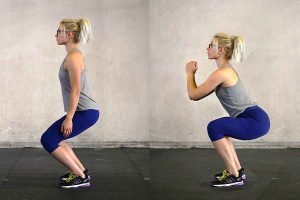
Here’s an easy body-weight routine you can do at home.
Minutes 1–5: Warm Up
Start with five minutes of gentle movement.
Try this out:
- MARCHING ON THE SPOT.
- Arms circles
- Squats (bodyweight)
- Step touches
- Soft lunges
A warm-up prepares your muscles and joints for the exercise.
Don’t rush through this part. The goal is to raise your body temperature and prepare your body for exercise.
Minute 5–17: Main Exercise
Do the following exercises as a circuit.
Do each one for 40 seconds. Rest or move easy for 20 seconds.
Squats (Bodyweight)
Stand with feet about shoulder width apart. Push your hips back as if sitting into a chair, bend your knees and Then stand up again.
Squats work your leg and hip muscles but also challenge your core.
Climbers
Begin in a high plank position. Bend one knee to your chest, then switch sides.
Keep your shoulders still and use a pace that allows you to maintain good form.
If you want a lower impact version, slow the move down.
Reverse Lunge
Step one foot back and bring your body down toward the floor. Push off the front foot to return to the starting position.
Alternate legs through the interval.
Reverse lunges are a great way to build strength in your legs and improve your balance.
Pushups
Begin in plank position, hands slightly wider than shoulder-width. Drop your chest toward the floor then push yourself back up.
If a standard push-up is too hard, do the exercise with your hands raised on a stable surface or from your knees.
Mountain climber
Run or march in place, lifting your knees.
Pick the intensity that is appropriate for your fitness level. A controlled marching version can be done by beginners instead of jumping.
Burpees
Start standing, drop into a squat, place hands on the floor, step or jump feet back, stand up and finish with a small optional jump.
Burpees are a challenging exercise, so beginners can omit the jump and step through the movement instead.
Minute 17-20: Cool Down
End with 3 minutes of easy movement.
Walk slowly around the room and allow your breathing to return to normal.
You can also do some gentle stretching for your legs, shoulders and hips.
How to Burn More Calories Safely
If you want to make your 20-minute workout more challenging, focus on intensity without losing technique.
Enhance Your Work Interval
Instead of doing 30 seconds of exercise, you can gradually build up to 40 or 45 seconds.
But longer intervals are not necessarily better. You should still be able to have proper form.
Rest gradually reduce
Once you get used to the routine you can reduce the recovery time a little bit.
Do not eliminate rest completely. Recovery allows you to maintain movement quality and control fatigue.
Use Tougher Variants
- You may progress from:
- Squats to squat jumps
- High Knees Marching
- Floor push-ups to incline push-ups
- Step-back lunges to normal lunges
Don’t make all the exercises harder at once. Progress gradually.
Why Full-Body Workouts May Save You Time?
A full body workout can hit multiple major muscle groups in one session.
Instead of spending 20 minutes on one body part, exercises like squats, push-ups, lunges and mountain climbers allow you to get strength and cardio work done simultaneously.
This allows for a short workout to feel intense without the need for gym equipment.
For time-crunched folks, that efficiency can make it easier to incorporate exercise into a regular routine.
Running vs. HIIT: Which Is Better?

Either can be helpful.
If you enjoy running, want to improve your running performance or prefer steady-state cardio, then running may be a better choice.
If you want variety , short on time , or like to change between hard and easy periods , then HIIT may be more appealing .
There’s no one best exercise.
The best workout is one that fits your goals, fitness level, preferences and schedule—and one you can do consistently.
How Many Times Should You Do a 20 Minute Workout?
Your overall activity level and the intensity of your workouts determine how much you exercise.
If your routine is intense, allow your body adequate time to recuperate between strenuous workouts.
You can also combine short workouts with other kinds of physical activity, like:
- A walk
- Cycling
- Swimming
- sports for recreation
- Resistance exercise
- Mobility exercises
If you want to be healthy, it’s more important to be consistent than to try to make every workout extremely intense.
Read more–Core Exercises for Every Fitness Level, A Beginner to Expert Guide
Can a 20 Minute Workout Help With Weight Loss?
A 20-minute workout can help with weight management by increasing physical activity and energy expenditure.
But exercise is only part of the story. Nutrition, sleep, daily movement, stress and general lifestyle also matter.
Instead of trying to burn as many calories as possible during every workout, focus on establishing sustainable habits.
You might combine short workouts with regular walking and balanced meals, for example.
You can also read our Body Recomposition: How to Lose Fat and Gain Muscle guide for more information on combining exercise and nutrition for body composition goals.
Advice for Novices

If you are new to high-intensity exercise, begin slowly.
Try these changes:
- Choose lower-impact types of exercise.
- Allow Time to Recover
- Focus on the correct technique.
- If you experience any unusual pain or feel unwell, stop.
- Increase intensity slowly.
- Allow your body sufficient time to recover.
You don’t have to do every exercise at full intensity to get value from your workout.
If you have a medical condition, injury, or concerns about beginning strenuous exercise, consult a qualified healthcare professional before starting.
Typical Errors to Avoid
Moving too fast
It is not about speed. Bad technique can make your exercise less effective and can increase your risk of injury.
Skip The Warm-Up
If you haven’t prepared your body for the workout, jumping into an intense workout can make it feel harder than it has to be.
HIIT Daily
Sessions that are high intensity can be demanding. Your body has to recover.
Compare Your Calorie Burn
Fitness trackers can give estimates, but calorie burn numbers are not perfectly accurate.
Just use them as a general information. Do not treat the number as an accurate measurement.
How to Incorporate This Workout Into Your Routine
The best part of a short workout is the convenience.
You can plan your 20-minute workout before work, during a lunch break, after school, or whenever you have a regular chunk of free time.
Set up your workout area in advance and keep it simple.
You do not need to have expensive equipment or a complicated program. A small space, comfortable clothing and a few minutes of focused exercise can be enough to begin.
If you enjoy walking, you can also pair this routine with our 30-Minute Morning Walk guide for extra daily movement.
FAQ
Can a 20 minute workout burn more calories than running?
It can, in some situations, especially when the workout is performed at a high intensity and involves several large muscle groups. But calorie burn is person dependent so it won’t always be the case that a 20 minute workout will beat running on calories burned.
Is 20 minutes exercise enough?
Yes. A 20-minute session can be a useful addition to a regular physical activity routine. The trick is to be consistent, and to choose exercises that are appropriate to your level of fitness and your goals.
Is HIIT better than running?
Neither is inherently better HIIT can be a good option for people who like short, intense workouts, while running might be better for people who like steady cardio or want to get better at running.
Beginners can do this 20-minute workout?
Yes beginners can change the exercises Opt for lower impact versions, cut back the intensity and allow more recovery time if needed.
Calories burned in a 20-minute workout
There is no one number because calorie expenditure depends on such things as body size, exercise intensity, fitness level and the type of exercise being done.
Can I do this workout daily?
You don’t have to perform a vigorous workout every day. Ensure you have enough recovery time and balance hard workouts with easier activities like walking or mobility exercises.
Is 20 minute workout good weight loss?
It can help with weight management by increasing physical activity and energy expenditure. But sustainable weight management is about overall lifestyle habits, including nutrition, sleep and regular movement.
Last Word
When you’re short on time, a 20-minute workout can be an effective way to challenge your cardiovascular system and major muscle groups. Running is not necessarily better than a well-structured HIIT style routine that might burn a decent amount of calories, but it is not a given.
The best option is something you like, can do safely, and can do consistently.
Start with a manageable intensity, focus on good form, and slowly increase the challenge as your fitness improves.




2 thoughts on “This 20 Minute Workout Burns More Calories Than Running”
Comments are closed.