

How many steps a day to lose weight? Goals, Tips
How Many Steps to Lose Weight?
Walking is one of the easiest ways to increase your daily activity levels. No special equipment, no complicated workout regime, and plenty of opportunities to sneak in a few walks throughout the day.
If you want to lose weight, you may ask, how many steps a day to lose weight. The answer is different for each one.
Results will vary based on your current activity level, walking speed, diet and sleep, body size, fitness level, and overall lifestyle. It’s better to build your daily movement over time and get into habits you can stick with, rather than trying to chase one perfect number.
A step goal can be a good tool, but it should be part of a healthy lifestyle and not the only way to measure progress.
Does Walking Make You Lose Weight?
Walking is an energy burner and counts toward your daily physical activity Walking regularly, eating well and other lifestyle habits can help with weight management.
Walking may have other benefits besides weight control. Getting regular physical activity can help support your cardiovascular health, muscle function, mobility, mood and overall fitness.
But just walking solo won’t guaranty weight loss. Body weight is influenced by food intake, activity level, sleep, stress, genetics, and other factors.
So it’s best to think of walking as one component of a healthy weight management plan.
How Many Steps a Day Are You Supposed to Take?
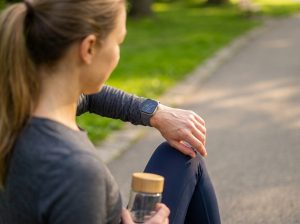
There is no magic number of steps to get you to lose weight.
The popular 10,000-step goal can be a helpful motivational target, but you don’t have to hit exactly 10,000 steps every day to gain benefits from walking.
If you’re currently averaging 3,000 to 4,000 steps a day, getting to 10,000 can seem daunting. A more realistic approach is to build up activity slowly.
For example, you could set goals such as:
- Start with counting your normal daily step count.
- Add 500-1000 steps to your daily average.
- Maintain this level for some days or weeks.
- As your fitness improves, increase your goal.
- If you can work a few extra walks into the schedule.
The best goal is a challenging one, but not unrealistic for your routine.
For more information, read our article on-Core Workouts for Every Fitness Leve
Is 10,000 Steps a Day Good for Weight Loss?

The 10,000 step goal is a fantastic way to kickstart a weight loss regime, but it is not a magic bullet to dropping pounds. To maximize the benefits, it’s important to make the activity a regular habit, include strength training and make wise dietary choices.
While 10,000 steps a day can be a good amount of movement for many people, it’s not a magic number to lose weight.
Some will achieve progress in fewer steps, especially those increasing activity from a previously sedentary lifestyle. Others may need more or different types of activity depending on their goals.
Rather than thinking about just hitting 10,000 steps, think about:
- The level of activity you had before
- Walking intensity
- per day total movement
- Food practices.
- Quality of sleep
- Exercise program
- Consistency over time
A good regular walking routine is usually more helpful than an ambitious goal you can’t stick to.
The Effect of Your Walking Pace
Not all steps are equal in effort.
A slow walk and a fast walk can feel like nite and day. Walk faster to make walking more physically demanding and improve your fitness.
You don’t have to be running all the time. Try to combine comfortable walking with occasional brisk walking, depending on your level of fitness.
If you’re going for a 30-minute walk, you might begin slowly, pick up speed, and then slow down again to a comfortable pace.
If you’re new to exercise, start slow and gradually increase the intensity of your walks.
How to Increase Your Daily Step Count
If you’re not reaching your daily step goal, small changes can make a big difference.
Walk for breaks
Walk for short distances rather than sit for long periods.
Spend a few minutes walking around your home, office, school or workplace. A few little walks add up.
Post-Prandial Walk
A short walk after eating is a simple way to add activity into your routine.
You can walk in your neighborhood, work place or any other comfortable place.
Consider Walking for Short Trips
Walk if you can Walk instead of driving when your destination is nearby.
This can turn routine errands into opportunities for some exercise.
Use stairs where necessary
Take the stairs, skip the elevator to get your steps up.
Begin with a few flights and work your way up as you become more comfortable.
Walkin’ & Talkin’
If you are on the phone and don’t need to be sitting down, try walking and talking.
This simple habit can get you more activity in each day without a separate workout.
30 minutes walk a day
If you want to be more active, a good place to start is with a 30-minute walk.
You don’t have to walk the whole thing at once. If you are very busy, break it down into shorter periods of time.
E.g.
- 10 minutes in the morning
- 10 minutes at lunchtime
- 10 min evening
That motion can add up over a day.
As you get fitter you can walk for longer, or add in brisker walking.
Walking and Weight Training

Walking is good . However, a balanced fitness program may include more than one type of activity.
Walking is a simple way to boost your daily activity level and strength training can help you build and maintain muscle.
You might combine:
- Walking as usual
- Bodyweight exercises
- Weight training – Exercise in mobility
- Leisure activities
Variety can add some spice to your routine and help improve your overall physical fitness.
If you’re a beginner, your goal should be consistency — not to do everything at once.
For more information, read our article on-Healthy Ways to Building a Strong and Healthy
How your diet affects weight loss

If you increase your steps but also regularly eat more calories than your body needs, you may not see the weight change you want.
A balanced eating pattern can go hand-in-hand with your walking routine.
Food such as: can be made into meal components:
- Vegetables
- Fruit
- Whole grain
- Lentils and beans
- Protein, lean
- Nuts & Seeds
- Healthy sources of dietary fat
Portion sizes are also important.
Instead of going on a very restrictive diet, focus on eating nutritious foods and developing eating habits that you can stick with for a long time.
For more information, read our article on-Protein-Packed Grains to Add to Your Diet
Does Walking Alone Burn Sufficient Calories?
Walking uses energy, but the amount is different for each person.
Factors that affect energy expenditure include:
- Size of the body
- Step pace
- Walking time
- Landscapes
- Level of fitness
- Daily total movement
So it’s hard to say that a certain number of steps will burn a certain number of calories for everyone.
Step counters and fitness trackers can help you keep tabs on your activity, but take their calorie estimates as rough guides.
How to Monitor Your Walking Progress

Tracking your steps can give you a better idea of your progress.
You may use:
- A cellphone
- Fitness tracker
- A smart watch that’s a
- A Simple Activity Planner
Look at the big picture, not the individual days.
For example, if you increase your average from 4,000 steps to 6,000 steps over several weeks, that represents a meaningful increase in daily movement.
You can also track walking time, distance or how often you take brisk walks.
A Simple Weekly Walking Target
If regular walking is a new activity for you, build up a realistic weekly routine.
Week 1: Create Awareness
Keep an eye on your average daily steps without making any huge changes.
Week 2: Add More Activity
Make a few brief walks during the day to boost your average.
Week 3: Add Brisk Walking
If you feel up to it, add in a few faster walking intervals.
Week 4: Establish Consistency
Try to keep to your routine, and gradually increase duration or daily steps.
Or keep doing this instead of chasing a bigger step target all the time.
Tips for Enjoying Walking
If you like it, it’s easier to keep up a walking routine.
Give this a try:
- Going for a walk with a friend or family member
- Trying other safe methods
- Listening to music or a podcast if appropriate
- Walking outside in pleasant weather
- Setting small goals weekly.
- Wearing comfortable shoes
- Alter your pace.
Walking can be a way to get away from the screens and outside for a little while too.
Mistakes to Avoid When Walking
Steps Raised Too Quickly
Jumping right in from little activity to lots of walking can be uncomfortable.
Increase gradually and give your body time to adjust.
Focusing just on the Step Number
Steps are useful but they don’t tell the entire story.
The speed you walk at, the duration, total activity levels, nutrition, sleep and recovery all matter.
Pain Management
You may experience some mild muscle fatigue as you increase activity, but don’t ignore persistent or significant pain.
If you need to, take a break and get proper professional advice.
Expected immediate weight shift
Your body weight fluctuates naturally day to day.
Don’t base your progress on a single weigh in, instead use trends over time.
How Many Steps per Day to Lose Weight? The Takeaway
There is no magic number of steps a day that will guaranty weight loss for everyone.
A goal such as 10,000 steps can be helpful, but reaching health or weight-management goals does not require it. If you are currently not very active, set yourself a realistic goal to establish a baseline and gradually increase your activity levels.
Regular walking, eating a well-rounded diet, getting enough sleep and practicing other healthy habits can help you achieve your goals.
Most importantly, pick a walking routine you can stick with. Consistency is worth more than chasing a perfect step count.
Frequently Asked Questions
How many steps a day should I take to lose weight?
No one number. Start where you are with your current activity level and slowly add to your daily steps, but maintain a well-rounded lifestyle.
Is 10,000 steps a day enough for weight loss?
It might seem like a lot of daily activity to get 10,000 steps in, but it’s no guaranty you’ll lose weight. Your overall diet, activity, sleep and consistency as well.
Can walking 5,000 steps a day help me lose weight?
Increase daily movement from a very low activity level to 5,000 steps. It may or may not result in weight loss, depending on your total energy intake, your activity level and other factors.
Which is better for weight loss, running or walking?
You can be physically active by walking and running. What’s better depends on your fitness level, your preferences, your goals, and what you can safely sustain.
How many miles should I walk each day?
Walking for 30 minutes is a good target for most people, but shorter walks can add up to your overall daily activity. You can break the walk up into several sessions.
Will I walk every day?
Regular walking can be a good habit. In addition, your routine needs to include enough recovery and other types of physical activity.
Does walking after meals aid?
A short walk after eating is an easy way to get some movement into your day. It can be a component of a very active lifestyle.
Is it better to take more steps or walk faster?
Both can be important. The step count tells you how much you move. The speed of your walk is a measure of exercise intensity. Moving often, and with enough intensity, can help make your routine more effective.
Final remarks
Walking is an easy and accessible way to get more active. If you’re wondering how many steps a day you should take to lose weight, know that there is no magic number.
Begin with what you can do today in terms of activity, set a realistic goal and build more activity into your days over time. Walk. Eat well. Do strength training. Get enough sleep. And practice the other healthy habits.
You don’t have to aim for perfection. Creating a sustainable routine that fits into your lifestyle may be a more sustainable approach to long-term health and weight management.




2 thoughts on “How many steps a day to lose weight? Goals, Tips”
Comments are closed.