
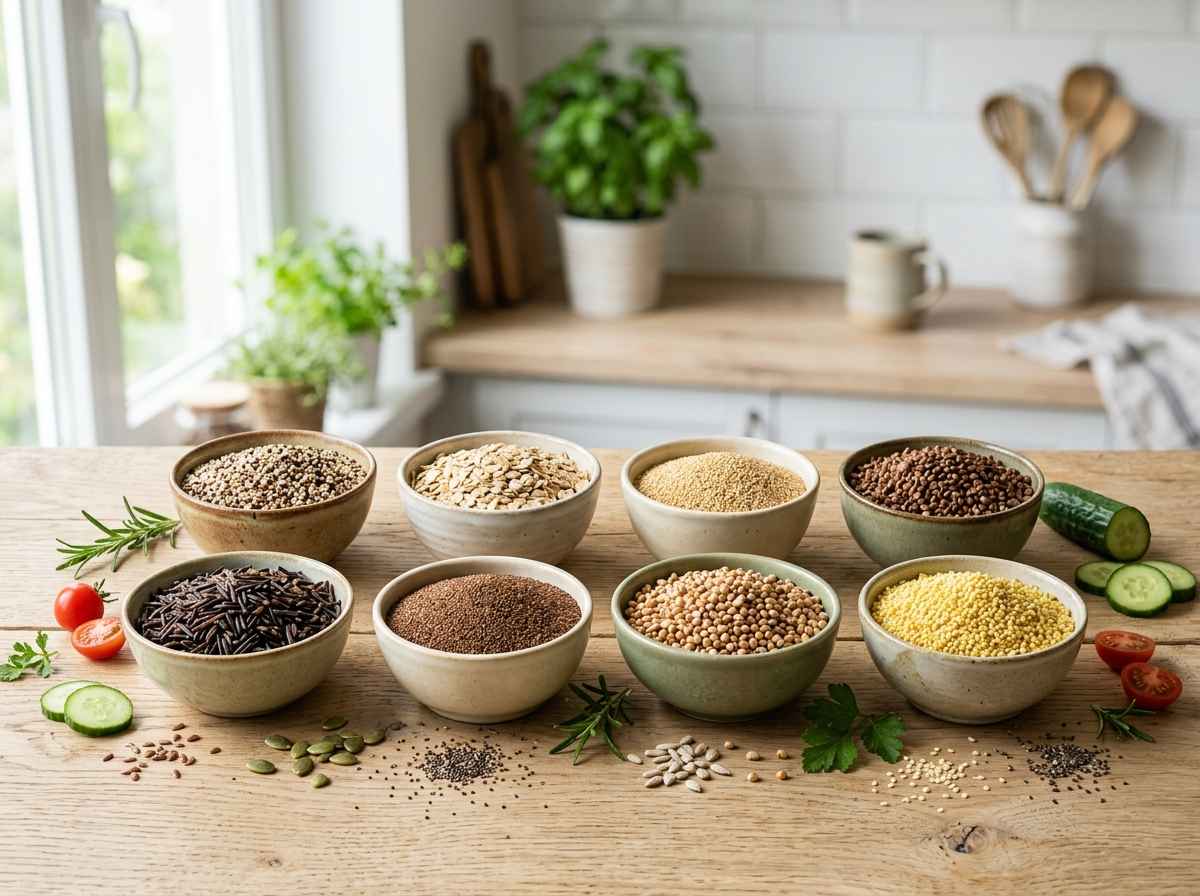
8 Protein-Packed Grains to Add to Your Diet
What are high protein grains?
Many healthy eating patterns include grains as an important component. They provide carbohydrate for energy and may also provide fiber, vitamins, minerals and plant based protein.
Most grains are not considered complete protein foods on their own, but some have much more protein than others. Adding high-protein grains to your diet is an easy way to increase your protein intake, while adding some delicious variety to your meals.
Protein is essential for keeping muscles in good repair, helping normal growth and development, and helping the body to repair its tissues. Protein-rich grains can be combined with other foods such as beans, lentils, eggs, dairy products, nuts, seeds or vegetables to create more balanced meals.
Here are 8 healthful grains and grain-like foods to consider:
Quinoa

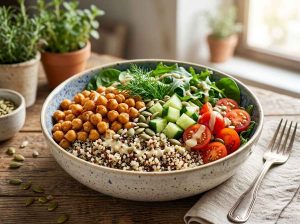
quinoa-high-protein-grain-meal
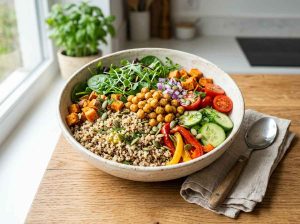
Quinoa is a very popular high-protein grain, although technically it is not a true grain but rather a pseudo-cereal.
It is especially popular because it contains all nine essential amino acids, making it a complete plant protein.
Quinoa: The Nutritional Why
Quinoa is high in protein, fiber and magnesium, phosphorus and manganese, among other nutrients. It also cooks relatively quickly which makes it convenient for breakfast, lunch or dinner.
Quinoa can be used in:
- Bowls of grain
- Salad
- Soups
- Porridge for breakfast
- Vegetables dishes
- Stuffed vegetables
If you want to add more protein and variety, you can also use quinoa instead of rice in many recipes.
Avena sativa
Oats are another good addition to a healthy diet. They deliver plant-based protein and soluble fiber, notably beta-glucan.
Beta-glucan is a form of soluble fiber that has been extensively researched for its role in helping to support healthy cholesterol levels as part of an overall healthy diet.
How to Add Protein to Oatmeal
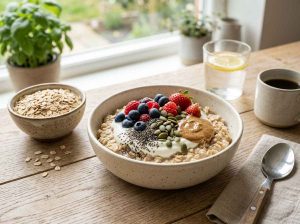
Plain oats have protein, but there’s a lot you can add to make oatmeal a whole lot more protein-rich:
Greek yogurt
- Milk (2)
- Chia Seeds.
- Pumpkin seed
- Peanutbutter
- Almond butter
- Flaxseed, ground
Mix oats with some protein and fruit for a balanced breakfast.
Amaranth
Amaranth is an ancient pseudo-cereal, consumed for a long time by different cultures.
It’s a source of protein, fiber, magnesium, phosphorus, iron and other nutrients. Amaranth also contains all nine essential amino acids, like quinoa.
How to Cook Amaranth
Amaranth can be made into a porridge-like dish, or added to soups and grain bowls.
You can also add cooked amaranth to vegetables and beans for a nutrient-dense meal.
It has a slightly earthy flavor that makes it a useful alternative to more common grains.
Buckwheat
Despite the name, buckwheat is not related to wheat and is naturally gluten-free. It’s another pseudocereal, supplying protein, fiber, minerals and beneficial plant compounds.
Buckwheat and Protein
Buckwheat is a source of more protein than many of the refined grains that people eat. It is also a good source of several essential amino acids.
Combine buckwheat with vegetables, beans, lentils, eggs or another protein source for a complete meal.
Rice Sauvage
Wild rice is actually the seed from an aquatic grass , as opposed to a traditional type of rice . However, it often is used as a grain.
It usually contains more protein than white rice and has fiber and minerals.
How to Prepare Wild Rice
Wild rice is firm in texture and has a nutty flavor. It performs well in:
- Salads
- Soups
- Fillings
- Grain bowls
- Vegetable sides
Pair wild rice with beans or lentils for a hearty, plant-based meal.
Teff
Teff is a tiny ancient grain that is a traditional staple of Ethiopian and Eritrean cuisine. Small but packed with protein, fiber, iron, magnesium and other nutrients.
Teff is naturally gluten-free and can be made into a porridge or used as an ingredient in baked foods.
Why Should You Eat Teff
Teff provides variety and can be especially helpful for people who are looking for alternatives to the usual grains such as rice and wheat.
Teff can be made into a breakfast porridge or added to a vegetable and legume dish for a well-rounded meal.
Sorgo
Sorghum is an old cereal grain that is cultivated and consumed in many parts of the world. It supplies carbohydrates, protein, fiber and a variety of micronutrients.
Sorghum can be cooked like other whole grains, or it can be ground into flour.
How to Enjoy Sorghum
Try cooked sorghum in:
- Grain salads
- Soups & Salads
- BOWLS OF GRAIN
- Vegetable recipes
- Breakfast ideas
Sorghum’s mild flavor lends itself to pairing with herbs, vegetables, legumes and other foods.
Millet
Millet is a group of small seeded grains that have been grown for thousands of years. It’s naturally gluten free and is a source of protein, fiber, magnesium, phosphorus and other nutrients.
Millet is especially versatile, as it can be made into a savory side dish or a breakfast porridge.
How to use millet in meals
Many recipes require rice or other grains, but millet can be used instead.
Try adding cooked millet to:
- Lentils (1.5 cups)
- Chick-peas
- Vegetables:
- Eggs
- Yogurt
- Seeds and nuts
This creates a more diverse range of nutrients in a meal.
High Protein Grains Versus Refined Grains
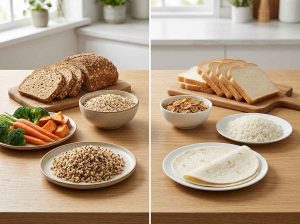
The amount of protein is just one factor to consider when choosing grains.
Refined grains are usually lower in natural components of the grain than whole grains. These can provide fiber, vitamins, minerals, and beneficial plant compounds.
For example, eating whole grain bread instead of highly refined bread can increase the amount of fiber you eat.
Refined grains aren’t necessarily bad, however. “They can still be part of a well-rounded diet, especially when combined with vegetables, legumes and protein-rich foods.
How Much Protein Is In Grains?
The amount of protein in grains depends on the type of grain, how much you eat, and how you prepare it.
Just because it has protein in it doesn’t mean that every grain is a high protein food.
For people needing more protein, grains are best as part of a larger meal.
For example:
Quinoa + black beans + veggies has protein from quinoa and beans.
In a similar vein:
Oatmeal + milk + Greek yogurt + seeds = protein from many different sources.
Making a High Protein Grain Meal
One of the easiest ways to make grains more protein-rich is to combine them with other sources of protein.
Combine Legumes and Grains
Beans, chickpeas, peas, and lentils can significantly increase the protein content of a grain-based meal.
Try quinoa with chickpeas or brown rice with lentils.
Add Nuts and Seeds
Nuts and seeds can contribute protein, healthy fats, fiber, and minerals.
Good selections:
- Pumpkin seeds
- Chia seed oil
- Hemp seed
- Almonds
- Walnut.
- Peanut
Add Eggs or Dairy:
If you eat animal products, eggs, Greek yogurt, cottage cheese and milk pair well with grain-based meals.
For example, oatmeal topped with Greek yogurt and seeds can pack in far more protein than plain oatmeal alone.
High-Protein Breakfast Grains
Breakfast is a great time to add in protein-rich grains.
Attempt:
Protein oatmeal. Greek yogurt + berries + chia seeds + oats.
Quinoa bowl: Quinoa + milk + banana + nuts
Millet porridge millet + milk + seeds + fruits
Buckwheat Pancakes buckwheat flour + eggs + plain yogurt + fruit
These combinations provide protein as well as carbohydrates, fiber, and other nutrients.
High Protein Grains for Lunch and Dinner
Grains can form the basis of a balanced lunch or dinner.
A simple grain bowl might contain:
- A whole cereal or pseudo-cereal
- Beans or other protein source
- A few vegetables
- Nuts or seeds for healthy fats
- A simple dressing or herbs
For example, quinoa, chickpeas, cucumber, tomato, leafy greens and pumpkin seeds can be mixed to create a colorful and nutrient rich meal.
Are High Protein Grains Good for Vegetarians?
Yes Grains that are high in protein may be good for vegetarians and others who eat a plant-based diet.
Grains, however, should not be the only source of protein.
Combining grains with legumes, nuts, seeds, soy foods, dairy or eggs can give you a broader array of amino acids and nutrients.
Those following strictly plant-based diets should consider total protein and dietary diversity.
Things to Look For When Buying Grains
If you buy grains, read the nutrition label, if it has one.
Search for:
- Protein content
- Fiber in your diet
- Sugars, Added
- Sodium (Na)
- Wholegrain ingredients
- No unnecessary additives
Some packaged grain products such as instant oatmeal or flavored rice mixes can contain a lot of added sugar or sodium, so compare labels.
Grains High in Protein and Balanced Diet
Adding in more protein-rich grains doesn’t mean you have to remove other sources of carbs.
A healthy diet may include a variety of grains, vegetables, fruit, legumes, nuts, seeds and protein-rich foods.
Changing grains also helps keep meals interesting and adds to dietary variety.
Rather than trying to get all your protein from one food, aim to eat the right amount of protein throughout the day if you want to increase your protein intake.
FAQ Frequently Asked Questions
What is the highest protein grain?
The protein content will vary depending on the grain and the serving size. Quinoa, amaranth, oats, buckwheat and a number of other grains and pseudo-grains are relatively protein-rich options.
Is quinoa a grain or not?
Quinoa is technically a pseudocereal, not a true cereal grain. It is usually cooked and eaten as a grain and is often included in the list of high-protein grains.
Are oats a good protein source?
Oats are a good source of plant protein, as well as fiber and other nutrients. Add milk, yogurt, nuts or seeds to your oats, and you can have a meal even higher in protein.
High-protein grains can help with weight loss.
These can be part of a healthy eating pattern. Protein and fiber might make you feel more satiated after eating. Food choices, portion sizes, physical activity, and individual needs also play a role.
What grains are naturally gluten free?
Quinoa, buckwheat, amaranth, millet, sorghum, teff and wild rice are all naturally gluten free. For people with celiac disease, it’s best to choose products that are certified gluten-free for an extra layer of protection from cross-contact.
Are grains a source of complete protein?
Some pseudocereals, like quinoa and amaranth, contain all nine essential amino acids. Legumes and other grains can be mixed with other foods to vary the protein intake.
How to increase protein in oatmeal?
Add greek yogurt, milk, chia seeds, pumpkin seeds, hemp seeds or nut butter. You can combine several ingredients to make a more balanced and satisfying breakfast.
Do I need to eat grains every day?
Add grains to a healthy diet, but dietary needs vary. Incorporate a variety of whole grains, vegetables, fruits, legumes, nuts, seeds, and other protein sources to promote overall dietary variety.
Final Words
High-protein grains are an easy way to add plant-based protein, fiber, vitamins and minerals to everyday meals. Quinoa, oats, amaranth, buckwheat, wild rice, teff, sorghum and millet each have different nutritional benefits and culinary uses.
Rather than sticking to one grain, rotate several options in a week. Mix with beans, lentils, eggs, dairy foods, nuts, seeds or other protein-rich foods for balanced meals.
The goal is not to pick the grain with the most protein. A varied diet including protein, fiber, healthy fats, fruits and veggies can offer a wider array of nutrients.




5 thoughts on “8 Protein-Packed Grains to Add to Your Diet”
Comments are closed.