
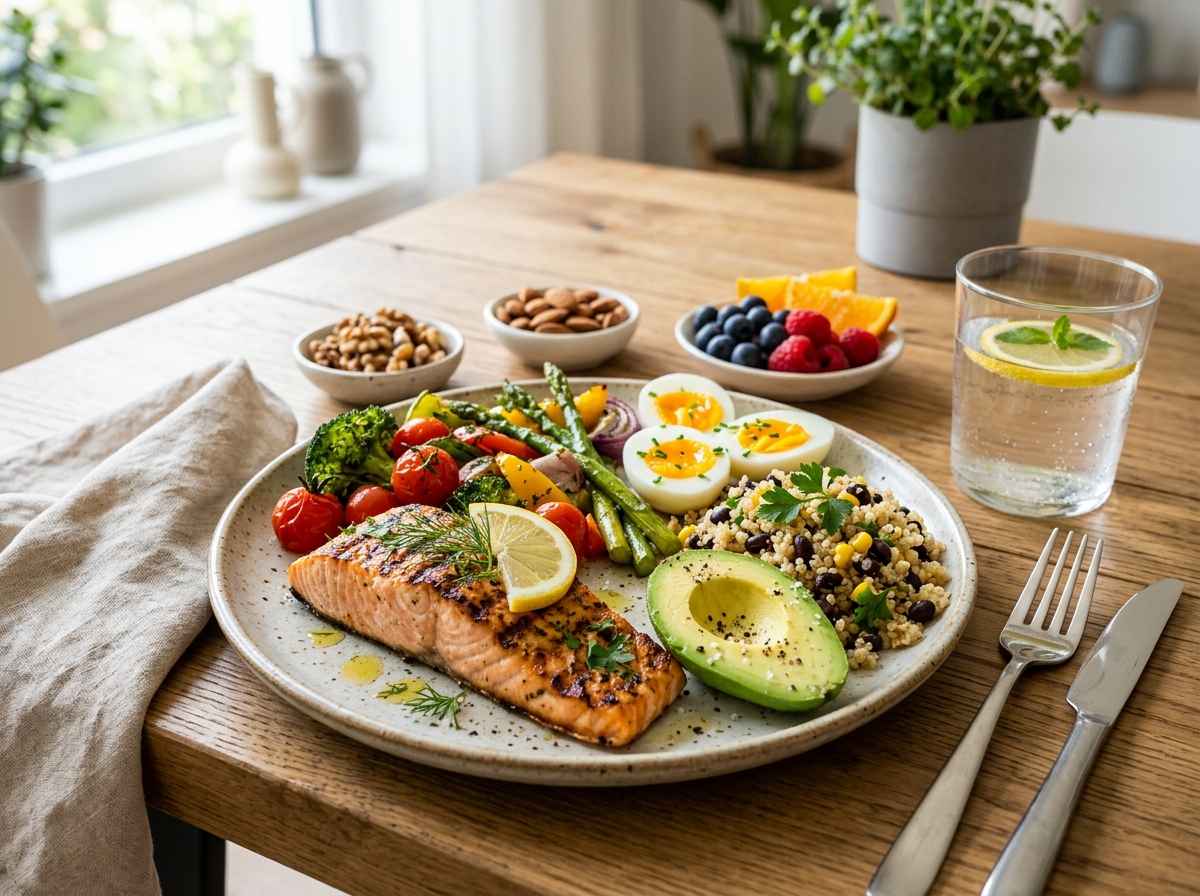
The Ultimate Guide to Eating Healthy in Real Life
What Is a Healthy Diet?
Eating healthy isn’t about perfect diets or giving up your favorite foods forever. This means eating a variety of healthy foods regularly, in the amounts that give your body the energy, protein, healthy fats, vitamins, minerals, fiber and other nutrients you need to maintain your health, feel good, and have energy.
What a healthy diet looks like can look different for different people. What works for you may be different depending on your age, activity level, health needs, food preferences, budget, culture and lifestyle.
The goal is to establish healthy eating habits that are realistic enough to be maintained in everyday life.
Don’t think of perfection, think of consistency. A healthy eating pattern can be gradually built up with a good breakfast, a balanced lunch, vegetables at dinner, healthy snacks, and enough water.
Why Healthy Eating is Important?
Food gives your body the nutrients it needs to function. A healthy diet can help with energy levels, muscle maintenance, digestion, bone health, immune function and overall well-being.
Eating healthy may also help you maintain a healthy weight more easily, especially when combined with regular physical activity and adequate sleep.
Eating healthy doesn’t mean every meal is perfectly balanced. What matters is the overall picture of your food choices over time.
Healthy Eating May Boost Your Daily Energy
Your body needs energy during the day to work, study, exercise and do its everyday activities. A meal that includes carbohydrates, protein and some healthy fats will keep you going.
Whole grains, fruits, vegetables, beans, eggs, fish, poultry, nuts, seeds and dairy or suitable alternatives can all provide important nutrients.
It helps with digestion.
Fiber is an important part of a healthy diet. Fiber from fruits & vegetables, beans, lentils, whole grains, nuts and seeds helps support normal digestion.
Increase fiber slowly and drink adequate fluids to help your digestive system adjust.
It Helps You Develop Better Long-Term Habits
Healthy eating works best when it becomes part of your normal lifestyle and not a short-term diet.
Simple habits like eating more vegetables, choosing whole grains more often and cooking at home may be easier to sustain than rigid food rules.
Make a Well-Balanced Plate
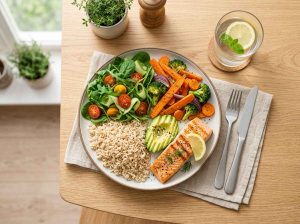
One of the simplest ways to eat healthy is to think of your plate as a mixture of different food groups.
Try to give:
- Vegetables and fruits: Offer vitamins, minerals, antioxidants and fiber.
- Protein foods: include beans, lentils, eggs, fish, poultry, lean meats, nuts and seeds
- Whole grains or other carbohydrate foods: Examples are oats, brown rice, whole-grain bread and other minimally processed grains.
- Healthy fats: Examples include nuts, seeds, avocado, and oils from plants.
- Water: In many situations, drink water instead of something else.
There’s no need to measure out each ingredient. The point is simply to have a balanced meal pattern.
Add More Flavor To Your Meals
Fruits and vegetables contain different combinations of nutrients and beneficial plant compounds.
Add several colors throughout the day. For example, you might combine leafy greens with tomatoes, carrots, peppers, berries, oranges or other seasonal produce.
Fresh, frozen and canned vegetables can all be good choices. When shopping for canned foods, check the label for added sodium or sugar, if applicable.
Select Nutrient-Dense Foods More Often
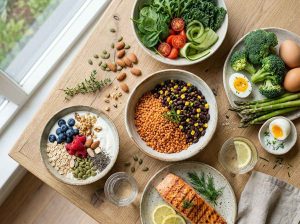
Nutrient-dense foods offer a high amount of nutritional value for the calories they contain.
Some good examples are:
- Green leafy vegetables
- Broccoli and other cruciferous vegetables
- Berries and other whole fruits
- Lentils and beans
- Eggs,
- Fish.
- Natural yogurt
- Whole grains, such as oats
- Nuts & seeds
- Low-fat poultry
- Low-fat or no-sugar dairy
By choosing these foods more often, you can get a variety of nutrients without complicating your meals.
Don’t Fear Carbs
Carbohydrates are the main source of energy. The trick is in looking at the type and the amount.
Carbohydrates from whole grains, fruits, vegetables, beans and lentils also contain fiber and other nutrients.
Instead of eliminating all carbs, aim to choose healthy carb sources more often.
Incorporate Protein All Day Long
Protein builds and repairs muscles and helps with many other important jobs in the body.
Proteins are found in fish, eggs, poultry, dairy products, beans, lentils, tofu, nuts and seeds, depending on what you like to eat.
Adding a protein to your meals can also make them more satisfying.
Healthy Portion Sizes
Healthy eating isn’t about eliminating large groups of foods. Understanding portion sizes can help you eat a variety of foods and keep things in balance.
Try plating your meal instead of eating out of a giant bag. Eat slowly and listen to your body’s cues of hunger and fullness.
There is no standard portion size, portion sizes vary a great deal from person to person.
Eat Slowly and With Awareness
Eating too quickly may make it more difficult to tell when you’re comfortably full.
Eat slowly and chew your food well. If possible, try to limit distractions. Eating mindfully can help you become more aware of hunger, fullness, taste and enjoyment.
For more practical tips, see our related article [How to eat slowly and improve digestion].
Make Healthy Eating Easy When You’re Busy
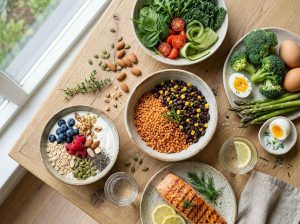
One of the biggest challenges is time to make nutritious meals.
It doesn’t need to be a complicated solution. Stock some easy-to-prepare foods so you can whip up a healthy meal quickly.
For instance:
- Have frozen vegetables on hand.
- Cook the beans or lentils in batches.
- Have eggs on hand for quick meals.
- Oats overnight.
- Wash and cut up fruits and vegetables.
- Keep nuts or seeds on hand as quick snack options.
- Make extra portions of dinner for the next day.
Planning healthy meals in advance can help you resist the urge to fall back on highly processed convenience foods when you’re super hungry.
Stock Up on Healthy Staples
A basic grocery list makes eating healthy easier.
You might want to keep:
- Protein: eggs, fish, beans, lentils, yogurt, poultry
- Grains: brown rice, oats, whole grain bread
- Produce: greens, carrots, tomatoes, bananas, apples, seasonal fruit
- Healthy fats: nuts, seeds, olive or other plant-based unsaturated oils
Healthy cooking doesn’t mean you have to have healthy ingredients on hand but it sure makes good choices a lot easier.
Eat Out and Choose Healthier Options
Healthy eating doesn’t have to stop when you leave home.
When eating out at a restaurant, opt for meals with vegetables, protein and a suitable carbohydrate source. Opt for grilled, baked, steamed, or roasted foods more often when you have the option.
You can also ask for sauces or dressings on the side and choose water or another beverage that has no added sugars.
Most importantly, don’t think one restaurant meal has ruined your diet. It’s the whole eating pattern that counts, not just one meal.
Know Process Foods
Processed food is not necessarily bad for you. Processing can be as simple as freezing, drying, pasteurizing or cooking.
Frozen vegetables, plain yogurt, canned beans and whole-grain bread can all be useful parts of a well-rounded diet, for example.
The bigger concern more often is the consumption of foods high in added sugars, sodium or saturated fat that offer relatively little nutrition.
Don’t try to cut out all processed foods but compare products and choose the more nutritious ones more often.
Drink plenty of water
Water is needed for many processes in the body. Fluid needs vary depending on temperature, activity, diet, age and other factors.
Drink frequently throughout the day and increase fluid intake when sweating heavily or in hot conditions.
In general, water is an easy choice for day-to-day hydration.
You also obtain fluids from foods such as fruits, vegetables, soups and other beverages.
Read more–How many steps a day to lose weight? Goals, Tips
Eat Your Favorite Foods
The foods you enjoy can be included in a healthy diet.
This can create unnecessary stress around eating by labeling foods as “good” or “bad.”. Instead, focus on balance in your overall diet, portion size and frequency.
With healthy eating habits you can still have desserts, restaurant meals and other favorite foods.
No one is expecting perfection. The goal is a sustainable pattern that provides good nutrition with flexibility.
Design a Simple Healthy Eating Plan
You don’t have to completely change your diet overnight.
Start with a few simple habits:
Add Another Vegetable
Add an extra side of vegetables to lunch or dinner.
Opt for Whole Grains More Often
Whenever possible, try oats, brown rice or whole-grain bread instead of refined alternatives.
Add Protein to Your Meals
Add eggs, fish, beans, lentils, yogurt, poultry, tofu, nuts or seeds to it.
Ensure Fruit is Available
Put whole fruit somewhere visible so it’s a convenient snack.
Drink More Water
If you’re working, studying or traveling, take a reusable water bottle with you.
Prepare a menu for tomorrow
Spend a few minutes thinking about what you will eat tomorrow. A little planning can go a long way in preventing hasty food choices.
Mistakes to Avoid When Eating Healthy
Even people who are trying to eat healthy can fall into some common traps.
Trying to be Perfect”
One less healthy meal isn’t going to ruin your progress. At your next meal, return to your normal routine.
After Extremely Restrictive Diets
Tight restrictions can be difficult to maintain and make meals overly complicated.
Not Paying Attention to Portion Sizes
Like anything, if you eat enough of the nutritious foods, they provide a lot of energy.
To Forget the Pleasure
Food is more than just nutrients. “Enjoyment, culture, social connection, and personal preferences matter.
One simple day example of healthy eating
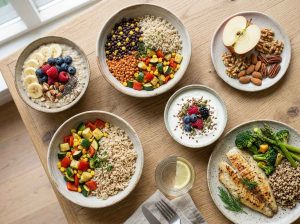
Here’s a real-life example of how a balanced day may look:
Breakfast: Oatmeal with banana, berries, nuts and plain yogurt
Morning snack: One apple and a handful of nuts.
Lunch: Whole grain (brown rice or other) with lentils or fish, mixed vegetables and salad;
Afternoon snack : Plain yogurt with fruit
Dinner: grilled fish, beans or poultry with vegetables and a good portion of whole grains or another source of carbohydrates.
Drinks: Water all day long.
This is just an example. Your meals should be in line with your nutritional needs, culture, preferences, budget and lifestyle.
How to Make Healthy Eating a Lifetime Habit
The best diet is the one you can actually keep to.
Don’t try to make ten big changes at once, pick two or three habits and stick with them.
For example, start by adding vegetables to one meal each day, drinking more water and making breakfast at home.
Once those habits are established, add another small change.
Remember that healthy eating is a long-term pattern, not a short-term challenge. Flexibility helps to stay on track on holidays, travel days, busy workdays and social events.
Healthy Eating FAQs
What’s the easiest way to start healthy eating?
To begin with, you can eat more fruits and vegetables, add protein to your meals, eat more whole grains, drink water and eat less often foods high in added sugar or sodium.## Can You Eat Carbs on a Healthy Diet?
Yeah. Carbohydrates are an important source of energy. Choose healthier options such as whole grains, fruits, vegetables, beans and lentils more often.
Are healthy foods expensive?
It can be inexpensive. Beans, lentils, oats, seasonal produce, eggs and other basic foods can provide a lot of nutrition without the need for expensive specialty products.
Can I eat healthy and still have snacks?
Yes. Choose snacks based on your hunger and overall diet. Try fruit, yogurt, nuts, veg with hummus or boiled eggs.
“Do I need to avoid processed foods?
The processing of food doesn’t necessarily make it unhealthy. Frozen vegetables, canned beans, plain yogurt are all good substitutes. Look at the overall nutritional quality of your diet pattern.
How long does it take to develop good eating habits?
There is no set time frame. Routine can be built on small regular changes. Don’t try to change everything at once, but go for sustainable habits.
Is healthy eating a universal thing?
No. Nutritional needs differ with age, activity, health, dietary preferences and lifestyle. If you have special medical or nutritional needs, consult a qualified healthcare professional.
Concluding Thoughts
Real life healthy eating doesn’t mean you need to have a perfect menu, expensive superfoods, or strict food rules. It’s about finding a balanced pattern that you can maintain.
Have a variety of foods. Eat plenty of vegetables and fruits. Pick protein foods. Eat whole grains. Keep hydrated. Watch your portion sizes. Give space for the foods you love.
Start small, scale up. These practical choices can grow into natural healthy eating habits that support your overall health and well-being.
Health Note: This article is for general nutrition information only and is not a substitute for professional medical or dietary advice. If you have a medical condition, food allergy, eating disorder or special dietary needs, please consult a qualified health care professional or registered dietitian.




4 thoughts on “The Ultimate Guide to Eating Healthy in Real Life”
Comments are closed.