
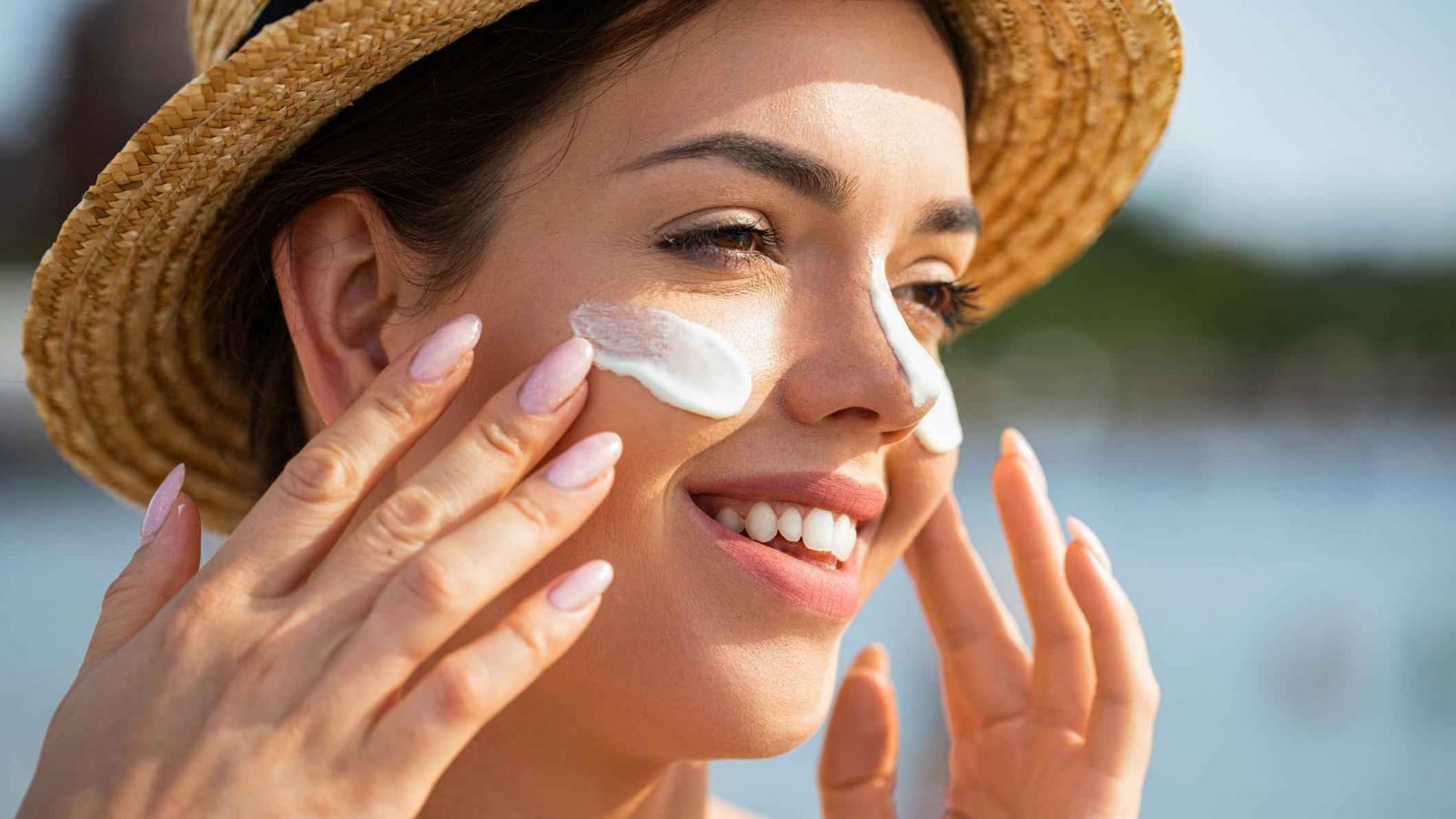
Skin Protection: Your Complete Guide to Healthy Skin
Introduction
Your skin is the biggest organ in the body and acts as a natural barrier between the body and the outside world. Your skin is exposed to sunlight, dust, pollution, temperature variations, sweat and other environmental factors every day. Taking simple steps to protect it can help to maintain its normal function and overall appearance.
You don’t need an expensive routine or a tonne of products to properly protect your skin. Simple practices like gentle cleansing, moisturising, protecting your skin from excess sun exposure, drinking plenty of water, eating a healthy diet, and steering clear of harsh products can make a real difference.
This guide will show you simple tips for protecting your skin that are easy to work into your daily routine.
Why should we protect our skin?
The skin acts as a barrier to help keep moisture in the body, while helping protect underlying tissues from external irritants and environmental exposure.
The more time you spend in the sun each day, particularly in ultraviolet (UV) light, the more your skin is going to age prematurely and be damaged. The skin’s barrier can also be affected by dry air, pollution and irritating products.
A consistent approach to skin protection will help you:
- Preserve the skin’s natural barrier
- Do not overexpose yourself to the sun;
- Avoid excessive dryness
- Clean skin wash it without washing it too much
- Keep skin looking good (healthy)
- Reduce irritation from harsh products
Remember that healthy skin doesn’t have to look perfect. Skin naturally comes in different textures, tones and appearances.
Shield Your Skin The Sun
One of the most important aspects of daily skin care is sun protection. UV exposure can damage skin over time, even when it doesn’t feel especially hot.
Apply sunscreen when needed
Broad-spectrum sunscreens protect exposed skin from UVA and UVB radiation. Use a sunscreen with an SPF that is right for you and follow the directions on the label, for routine outdoor activities.
Don’t forget the areas that are commonly exposed such as the face, neck, ears and hands.
Wear shade and protective clothing.
Sunscreen is just one aspect of sun protection. Seek shade, when possible, during periods of strong sunlight. Wearing a hat, sunglasses, and light-colored clothing that covers the skin can also help decrease direct sun exposure.
Wash your skin without over-washing

gentle-skin-cleansing-routine

Sweat, dirt, excess oil and other substances that collect on your skin are removed when you clean your skin.
But washing too often or with very hot water can leave skin feeling dry and irritated.
Select a gentle cleansing routine
Use a gentle cleanser suitable for your skin. Don’t scrub your face or body too hard, as too much friction can irritate the skin.
For many people, gentle cleansing once or twice a day is enough, with additional cleansing after activities that cause heavy sweating.
Stay Moisturised
moisturiser-for-skin-barrier-care

Another important part of protecting the skin is to moisturise it. A moisturiser can help support the skin barrier and ease the uncomfortable feeling of dry skin.
Apply moisturiser to slightly damp skin, right after cleansing. This helps to keep moisture in.
If you have sensitive skin, go for simple products that lack unnecessary fragrances or ingredients that may have caused irritation in the past.
Drinking Water
Drink plenty of water. It is important to stay hydrated for your overall health. While drinking water will not fix all of your skin problems, it does allow the body to function normally, including the skin, when properly hydrated.
Make water your routine beverage and drink to thirst, activity level and environment.
Drinking plenty of fluids is very important in hot weather or after exercise, when you may lose more fluid through sweating.
Eat a Healthy Diet

healthy-foods-for-skin-health

Your skin requires nutrients to maintain its normal structure and function. Don’t think about ‘beauty foods’ – think about a balanced and varied diet.
Foods such as include:
- Fruits & Vegetables
- Whole wheat
- Beans and pulses
- Eggs, fish or other protein sources.
- Seeds and nuts
- Sources of healthy fats
Colourful fruits and vegetables are sources of vitamins, minerals and other plant compounds that are good for you. Protein also supplies the body with the building blocks it needs to maintain tissue.
A healthy diet leads to good health which helps the skin stay healthy.
Read more The Ultimate Guide to Eating Healthy in Real Life
6. Stay away from harsh skin care products
More products does not mean better skin care. Sometimes irritation can come from using too many active ingredients or switching products too frequently.
Introduce new products carefully.
When trying a new skin-care product, follow the product directions and consider testing it on a small area first, especially if you have sensitive skin.
If a product is causing severe irritation, stop using it, and seek medical advice if symptoms continue.
Don’t go for products that promise impossible things, such as completely changing your natural skin colour, or giving you permanent results.
7. Don’t pick or scratch your skin
It’s tempting to scratch an itchy area or pick at spots but repeated scratching or picking can damage the skin and may make irritation or infection more likely.
Keep nails short and clean. Instead of scratching the area repeatedly, try to find out what is causing the persistent itching or irritation.
If the itching, redness, swelling or rash continues, a health care professional can help determine the cause.
Protect Your Skin in Exercise and Outdoor Activities
Exercise is great for your general health, but sweat and exposure to the environment can affect your skin.
If you’ve been sweating a lot, wash your skin gently when you can. – Dress in clean clothes. – Do not use your personal towels.
Don’t forget the basics of sun protection when you’re exercising outdoors. When the sun is bright wear comfortable clothes and stay in the shade whenever possible.
Get a Good Night’s Sleep and Deal with Stress
healthy-sleep-and-skin-care

Healthy skin care is more than simply products. “A healthy lifestyle is sleep, stress management, physical activity and nutrition.
Getting enough sleep is vital for your overall physical and mental health. Healthy ways of coping with daily stress can be good for your health in general. Try walking, relaxing, spending time with family, reading, or simple breathing exercises.
A healthy lifestyle can help a simple skin protection routine.
Read more Simple Ways to Establish a Healthy Sleep Routine
Know When to Get Professional Help
Many minor skin problems can be handled at home, but some need a doctor’s intervention.
If you experience any of the following, it may be worth talking to a doctor or dermatologist:
- A new or changing skin growth.
- A wound that doesn’t heal the way it should
- Persistent itch or irritation
- A rash that won’t go away
- Severe swelling or pain
- Changes in the skin that concern you
If you have a continuing skin problem, or if it is severe or unusual, see your doctor.
Daily Skin Protection Routine – Simple
A simple routine can be easier to maintain than a complex one.
Morning.
- Gently cleanse skin if needed.
- Use moisturiser if your skin needs it.
- Use broad spectrum sunscreen on exposed skin when appropriate.
- If you have to be outside for a long time, wear protective clothing or find some shade.
Evening.
- Gently removes dirt, sweat and sunscreen.
- If you need to, apply a moisturiser.
- Do not unnecessarily pick or scratch it.
- Allow your skin to rest without too many products.
The best routine is one that is simple, consistent, and right for your individual skin needs.
Common Mistakes in skin-protection-tips
Even a good routine can be less effective if you miss out on some habits.
Some common mistakes are:
- Not putting on sun protection while outside
- Aggressive cleansing of the skin
- Often using very hot water.
- Scrubbed irritated skin
- Product overuse at one time
- Picking/scratching at the skin
- Ignoring chronic skin changes
- Unrealistic Skincare Trends After
- Rather, develop gentle, consistent habits.
skin protection tips Frequently Asked Questions
What is the most important thing in protecting your skin?
As part of your skin care routine, protect your skin from too much UV exposure each day. Protective clothing, seeking shade and appropriate use of sunscreen can help to minimise unnecessary sun exposure.
How often should I use moisturiser?
Depends on your skin type and what product you take. Most people find it helpful to put on a moisturiser after washing, especially if their skin feels dry.
Do I need to wear sunscreen every day?
Sunscreen is useful whenever exposed skin will be exposed to UV radiation, especially during outdoor activities. Apply as directed. Use in conjunction with other sun protection measures (such as limiting sun exposure, wearing long-sleeved shirts, pants, hats and sunglasses).
Is Drinking Water Good for Your Skin?
Staying hydrated is important for overall health and normal body functions. But drinking extra water beyond what you actually need won’t necessarily help solve skin problems.
How often should I scrub my skin?
Healthy skin doesn’t need to be scrubbed hard and can become irritated. As a rule, a gentle cleansing routine is best.
If a skincare product irritates my skin, what should I do?
Let the skin recover, and don’t use the irritating product. If irritation is persistent or severe, or if you have any other concerns, consult your healthcare provider.
Conclusion
Good skin protection is based on simple, consistent habits, not expensive or complicated routines. Avoid too much sun exposure, cleanse gently, moisturise as needed, drink plenty of water, eat a nutritious diet, and avoid unnecessary irritation to your skin.
Above all, pay attention to your skin changes. If a symptom persists or seems strange, it is better to see a medical professional than to trust a home remedy or some online skin care trend.
Taking care of your overall health includes healthy skin care. Begin with a few practical habits and make them a regular part of your daily routine.