How Many Calories Should I Eat Per Day? The Complete Guide
How many calories should I eat a day?
Wondering how many calories you need to eat each day to stay healthy and energised? Calories are units of energy your body needs to do everyday activities, do important body functions and stay healthy.
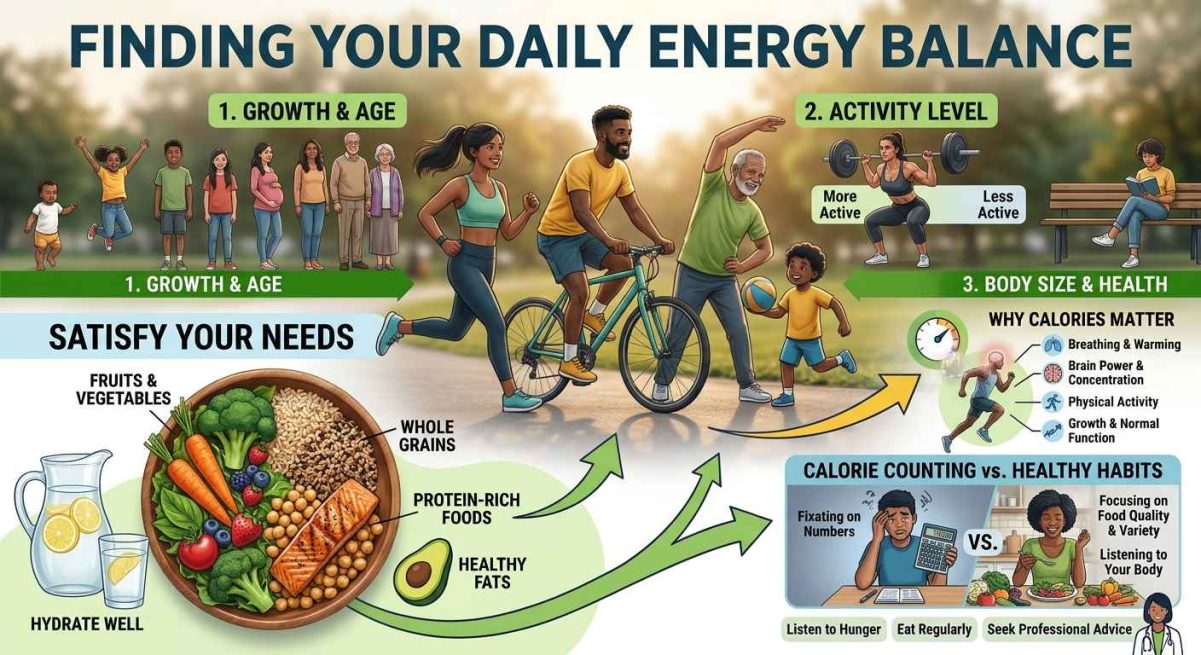
But the number of calories needed per day varies from person to person. Your body’s need for energy may differ depending on factors such as your age, activity level, growth, body size and health.
It’s more important to understand your body’s needs and develop healthy eating patterns than to focus on a specific calorie target.
What Are Calories and Why Do They Matter?
Calories are a way of measuring the energy you get from food and drink. Your body needs this energy to power several important functions such as:
- Breathing, warming the body.
- Enhancing brain power and concentration.
- Walking, moving, exercising.
- Support development and growth.
- Maintaining the normal functions of the body.
Your body burns energy all the time even when you are just sitting there. That’s why it is important to eat enough nutritious food to maintain overall well being.
What determines the number of calories you need per day?
There is no one calorie requirement that suits all. Many things influence your body’s energy requirements.
1. Growth and Age

Nutritional needs vary with age. Children, teenagers and young adults may need more energy as their bodies grow and develop.
When we get older our energy needs might change depending on how active and healthy we are.
For more information, read our article on-MyPlate Guide-Construct a Healthy Balanced
2. Level of Activity

The amount of energy your body uses depends on what you do during the day.
- I would like to hear from you.
- Energy is used in walking and cycling.
- Additional physical activities are required in sports.
- Physical activity on a regular basis keeps you fit and healthy in general.
- If you sit most of the day, it usually means less movement.
Looking for fun ways to be active is good for your physical and mental health.
3. Body Size and Personal Health
Body size, genetics, metabolism and some health conditions can affect energy needs. Nutritional needs vary with growth, illness and convalescence.
A health professional can help you identify your own nutritional needs.
How to Satisfy Your Daily Energy Needs?
Rather than fixating on calorie counts, cook meals with a variety of healthy ingredients.
Eat Fruits and Vegetables

fruits-and-vegetables-for-balanced-nutrition
Fruits and vegetables are loaded with essential vitamins, minerals, fibre and antioxidants. Try to add different colours and types to your meals.
For more information, read our article on-Major Health Benefits of Eating Vegetables
Sample Whole Grains

whole-grains-and-protein-rich-foods
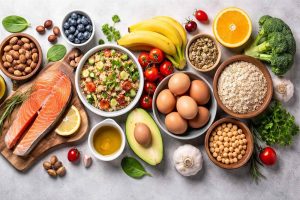
Foods high in carbohydrates and fibre, such as brown rice, oats, whole-wheat bread and whole grains, can help provide energy for the day.
For more information, read our article on-Protein-Packed Grains to Add to Your Diet
Consume Protein-Rich Foods
Proteins are the building blocks for muscle and tissue repair and for the normal functioning of the body. Good sources are:
- Eggs
- Fish,
- poultry
- Beans & Lentils
- Milk and yoghurt
- Seeds and nuts
Add healthy fats
Healthy fats are good for your brain and they help your body absorb certain vitamins. Good sources include avocados, nuts, seeds and vegetable oil.
Hydrate well
Water assists with digestion, circulation and temperature control. Drink water throughout the day, especially when exercising or it’s hot.
Do I Need to Count Calories?
Not everyone needs to count every calorie. Over-focusing on calorie counts can, in fact, make healthy eating stressful.
The better way is:
- Eat balanced meals at regular intervals.
- Add a variety of food groups.
- Notice hunger and fullness.
- Don’t skip your food.
- Fill up on healthy foods.
Growing people need to eat enough food. Teenagers need to eat enough food. Don’t use adult calorie calculators or restrictive diet plans to calculate nutritional needs during growth.
When to Get Nutrition Advice
If you are unsure of your nutritional requirements, seek the advice of a registered dietitian or healthcare professional. They may take into account your age, height, activity level, health and food preferences.
If you have a medical condition or certain dietary restrictions, or concerns about whether you’re eating enough, professional guidance can be especially helpful.
For more information, read our article on-Best High Protein Foods To Eat Slug
Most Often Asked Questions (FAQs)
How many calories should I eat each day?
Everyone has different energy needs per day. Nutritional requirements change with age, growth, activity, size of body, and health. This is not magic calorie number.
Do active people require more calories?
Physical exercise burns energy and those who play sports or exercise regularly may need more energy. They can fuel their activity and recovery with adequate nutritious food.
Are all calories created equal?
Calories are a measurement of energy. Foods contain different nutrients. For example, fruits, vegetables, whole grains and foods high in protein provide vitamins, minerals, fibre and other nutrients.
Skipping breakfast: good idea?
When you haven’t eaten overnight, breakfast can provide energy and important nutrients. “Breakfast should be well-balanced and may include eggs, oats, fruit, yoghurt or whole-grain bread.
How do I stick to healthy eating habits?
Eat regular meals, eat a variety of nutritious foods, drink enough fluids, do physical activity and don’t go on diets that restrict your food intake unnecessarily.
Closing Thoughts:
The first step to understanding how many calories you should eat per day is realising that everyone’s nutritional needs are different. Energy needs are based on age, growth, physical activity and general health.
So instead of counting calories, focus on balanced meals, healthy foods, adequate hydration and fun physical activity. Such sustainable habits can help you stay healthy and well over the long term.