
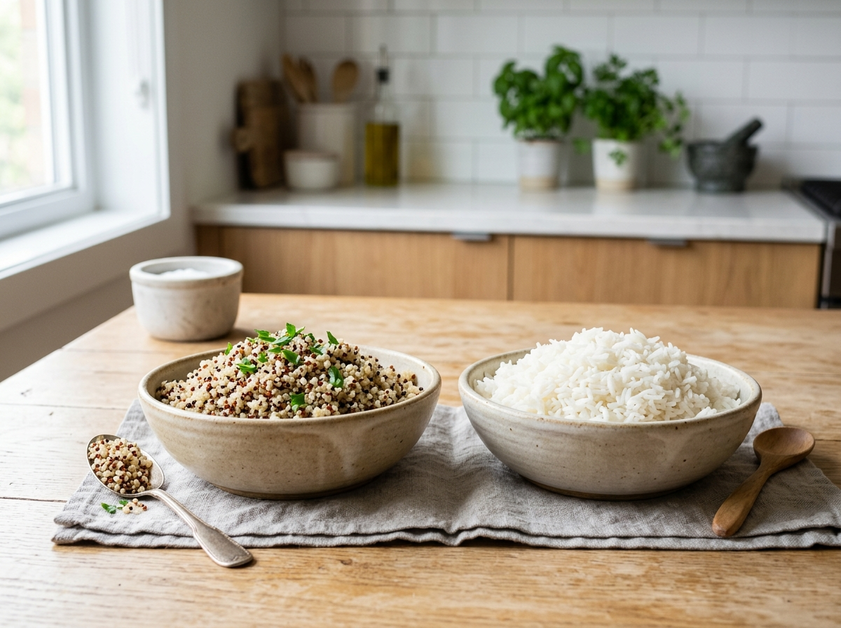
Quinoa vs Rice: Which One is Better for Your Health?
Quinoa Vs Rice : Which Grain Is Healthier?
If you’re after a healthy carbohydrate, you might be wondering about quinoa vs rice. Both of these foods can provide energy and important nutrients, but they do not have the same nutrition profile.
Quinoa is a seed but is usually cooked and eaten like a grain. Rice is a true cereal grain and one of the world’s most popular staple foods.
So which do you like better?
What you should eat will depend on your diet as a whole, your nutritional requirements, the portion size and the type of rice you eat. While quinoa is generally higher in protein and fiber than white rice, rice is available in a wide array of options, is widely available, and can be easily incorporated into a well-rounded diet.
Here’s a breakdown of the nutritional differences between quinoa and rice and how to incorporate both into a healthy diet.
What Is Quinoa?
Quinoa is an edible grain made from the seed of the Chenopodium quinoa plant. It is native to South America and has gained worldwide popularity due to its nutritional profile.
Quinoa is inherently gluten free and provides carbohydrates, protein, fiber, vitamins and minerals.
It is a complete protein source, which means it contains all nine essential amino acids. This is unusual in the case of quinoa. This is particularly advantageous for those with limited or no consumption of animal protein.
There are many varieties of quinoa including white, red and black quinoa.
What Is Rice?
Rice is a staple grain and food in many cultures.
There are many different types of rice. For example, there is:
- White rich
- Brown Rice,
- Basmati rice.
- Rice (Jasmine rice)
- Black rice
- Wild rice
- Red Rice
The nutritional value can vary widely among these varieties.
White rice is rice with the bran and germ taken out. Brown rice has . Therefore, brown rice tends to contain more fiber and some nutrients compared to refined white rice.
Quinoa vs. Rice: A Nutritional Comparison
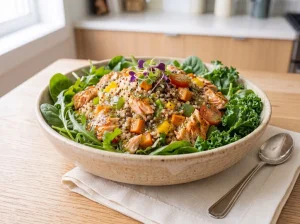
The nutritional value of quinoa and rice depends on the type of food and the preparation.
For a general comparison, cooked quinoa has a tendency to have more protein and fiber than cooked white rice. Brown rice also offers fiber and nutrients as it keeps more of the grain’s outer layers.
A serving of cooked quinoa (about a cup) typically provides about:
- 220 cals
- 8 g protein
- 5 g fiber
- About 39 grams of carbs
A single cup of cooked white rice provides about:
- 200 cal
- 4g protein
- Less than 1 gram of fiber
- about 45 grams of carbohydrates
Exact values will depend on cooking method and food database.
This comparison illustrates why quinoa is often lauded for its protein and fiber content. However, differences in calorie and carbohydrate content are not the only factors that determine whether a food is healthy.
Quinoa or Rice Protein
One of the most evident nutritional distinctions between quinoa and white rice is protein.
Quinoa has a lot more protein per cooked serving than white rice does. It also includes all nine essential amino acids.
Rice also contains protein, but the amount is generally lower per serving.
For those of us on a vegetarian or vegan diet, quinoa can therefore be a handy plant-based source of complete protein.
However, rice can be part of your total protein intake, when eaten with foods such as:
- Lentils (Masoor)
- Legumes
- Fish
- Eggs
- Chicken
- Tofu
- Yogurt
It’s the whole meal that matters, not just one food.
For more information, read our article on –Listen to Your Body: Breaking Free From Diet Culture
Fiber: The Best and the Rest
Fiber helps support digestive health and can help you feel full after meals.
White rice is typically lower in fiber than quinoa. Brown rice is also a good source of fiber as it has the bran layer.
If increasing fiber is part of your nutritional goals, quinoa or brown rice might be useful options.
But you can also increase the fiber in a rice-based dish with vegetables, beans, lentils or other high-fiber foods.
Carbohydrates and Blood Sugar
Both quinoa and rice contain carbohydrates that provide us energy.
The effect of a food containing carbohydrate on blood glucose may vary according to:
- Serving size
- Variety of food
- Cooking technique
- Fiber Amount
- What you eat with the carb
Quinoa has a higher average fiber and protein content than white rice, so it may cause a different blood-sugar response.
But that doesn’t mean we should all steer clear of rice.
For people with diabetes or blood sugar concerns, it is important to consider the whole dietary pattern and follow personalized recommendations from a health care provider.
Quinoa vs Brown Rice
If you compare quinoa to brown rice rather than white rice, the comparison is more balanced.
Quinoa and brown rice both offer fiber, minerals and other nutrients.
Quinoa is typically higher in protein and is a complete protein . Brown rice can offer good amounts of fiber and micronutrients .
Both can be good additions to a well-balanced diet.
Instead of asking which is healthier overall, think about which food best meets your nutritional needs, taste preferences, budget and regular eating patterns.
Vitamins and Minerals
It also contains other important minerals like magnesium, phosphorus, manganese and iron.
Rice also contains nutrients, but the quantity depends on the kind of rice and the way it is processed.
Brown rice has more of the grain’s natural nutrients than white rice. Many varieties of white rice are processed to be fortified with certain vitamins and minerals.
The nutritional content can vary from product to product, so it can be helpful to look at the nutrition label when comparing packaged foods.
Quinoa Gluten Free
Yes. Quinoa is naturally free of gluten.
This makes it a good option for those who need to avoid gluten.
However, those with celiac disease or severe gluten sensitivity should be aware of cross-contact in processing and preparation. This concern can be lessened by selecting products that are correctly labeled.
Rice is naturally gluten free but prepared rice dishes may contain ingredients that contain gluten.
The question is, which is better for weight control?
Quinoa and rice are not inherently weight loss or weight gain foods.
Body weight is influenced by a host of factors including total energy intake, activity, dietary pattern, sleep, genetics, and many other factors.
Quinoa is high in protein and fiber, so it’s filling. Brown rice is also a source of fiber and can fill you up in a balanced meal.
Both foods are size of portion matters.
You can have a decent serving of rice or quinoa with some veggies and something with protein on your plate.
For more information, read our article on Easy & Healthy Whole 30 Snacks
Which Is Better for Digestion?
Quinoa and brown rice contain fiber, which is necessary for normal digestive function.
If you’re used to a low-fiber diet, suddenly eating a lot of high-fiber foods can cause gas or bloating. Add fiber slowly, and drink plenty of fluids.
White rice has less fiber and can be easier for some people to handle during some digestive problems.
Everyone digests differently, so there is no one grain that is best for everyone.
Quinoa or Rice for the Athletes?
Both quinoa and rice are good foods for people who are physically active.
Rice is a source of carbohydrates which can help with energy intake and quinoa provides carbohydrates, but also more protein and fiber.
The best choice depends on the meal time and your total nutrition.
For example, a meal of rice, vegetables and lean protein can provide a balanced source of carbohydrates, protein and micronutrients.
Quinoa can be used in a similar fashion in a bowl, salad or mixed meal.
How to Eat Quinoa
Quinoa is so versatile and can be used in so many recipes.
Try it .
- As a side-dish
- Salads —
- And roasted vegetables
- Grain bowls
- with beans or lentils
- Cereal grain, as a
- In the stuffed vegetables
Always rinse quinoa before cooking if the package requires it. A rinse can help wash away naturally occurring saponins that may give a bitter taste.
How to Make Rice Better for You
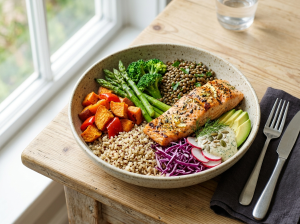
Rice can easily be incorporated into a healthy diet.
Try serving rice with:
- lots of vegetables
- Beans or lentils.
- Fish
- eggs
- chickens
- Soft tofu (silken)
- Healthy fats
You can also switch up the rice you eat, brown, red or black rice depending on availability and preference.
The meal itself is important. Rice with vegetables and protein can be nutritionally very different than rice with a lot of saturated fat or heavily processed ingredients.
For more information, read our article on-Acid Reflux Trigger Foods
Quinoa vs. Rice: Which is the better choice?
You don’t have to replace rice entirely with quinoa.
If you have to think of something:
- More proteins
- Higher in fiber than white rice
- A complete plant-based protein source
- A food such as grain gluten free
If you like think of rice.
- A cheap staple food
- A Sugar We Know
- Choose From a Range Of Options
- An easy addition to healthy meals
Brown rice might be another good choice if you want a higher fiber rice.
The best choice is the one that meets your nutritional needs and that can be incorporated regularly into a well-rounded diet.
Choosing Healthy Grains
When you compare quinoa vs rice, think about the whole meal, not just one ingredient.
Serving Size Watch
Even healthy foods can contribute a lot of calories if you consume them in very large portions.
Vegetables Add
Vegetables contain fiber, vitamins, minerals, and other healthy plant compounds.
Protein
Serve your grains with beans, lentils, eggs, fish, poultry, tofu or other protein source.
Choose Less-Processed Options When Proper
Brown rice and other whole grains can have more fiber than refined white rice.
Change Up Your Diet
Thou shalt not need to eat but one small grain. Variety can help to make healthy food more enjoyable, and nutritionally diverse.
Last words
Quinoa vs. rice: Both can be part of a healthy eating pattern.
Quinoa has more protein and fiber than white rice, and is a complete plant protein. Brown rice has more fiber than white rice, and it can be a healthy choice, too.
Rice is a good staple food because it is versatile, readily available and easy to combine with vegetables and protein-rich foods.
Rather than looking for the one “healthiest” grain, consider variety, portion size, preparation and the nutritional value of the whole meal.
You can choose quinoa, brown rice, white rice, or another whole grain. Pair it with vegetables and a good source of protein for a well-rounded meal.
Frequently Asked Questions
Is quinoa better for you than rice?
Quinoa is a complete plant-based protein with more protein and fiber than white rice. Brown rice does offer fiber and nutrients though. Which is better will depend on your overall diet and nutritional needs.
Is quinoa better than white rice for losing weight?
Neither food is a weight-loss guaranty. Quinoa may be more satiating due to the protein and fiber content, but portion size and total dietary intake are more important for managing body weight.
Is brown rice better for you than quinoa?
Both can be healthy options. Quinoa has more protein in general, but brown rice has the fiber and nutrients that help. Neither is better for none.
Is it possible to eat quinoa daily?
Quinoa can be part of a healthy diet, when eaten as part of a varied eating pattern. But it is good to have variety and not have to use the same grain every day.
Is Quinoa Good for Diabetics?
Quinoa contains carbohydrates, as well as protein and fiber. It can fit into a diabetes-friendly eating pattern, but everyone’s carbohydrate needs are different. People with diabetes should seek advice from their health care professional.
Is Rice Good For You On A Diet?
Yes. Rice can be part of a healthy diet with vegetables, legumes and protein-rich foods. Brown or other whole grains of rice might have more fiber than white rice.
Which one has more protein, rice or quinoa?
A cooked serving of quinoa has more protein, on average, than a serving of white rice. It also has all nine of the essential amino acids.
Can you combine quinoa and rice?
Yeah. It can give a different texture and taste with the quinoa and rice mix. Nutrition will also be affected by the protein, vegetables, sauces and serving sizes.




2 thoughts on “Quinoa vs Rice: Which One is Better for Your Health?”
Comments are closed.