
What To Eat For A Healthy Breakfast? 10 Healthy Foods
What to eat for a healthy breakfast
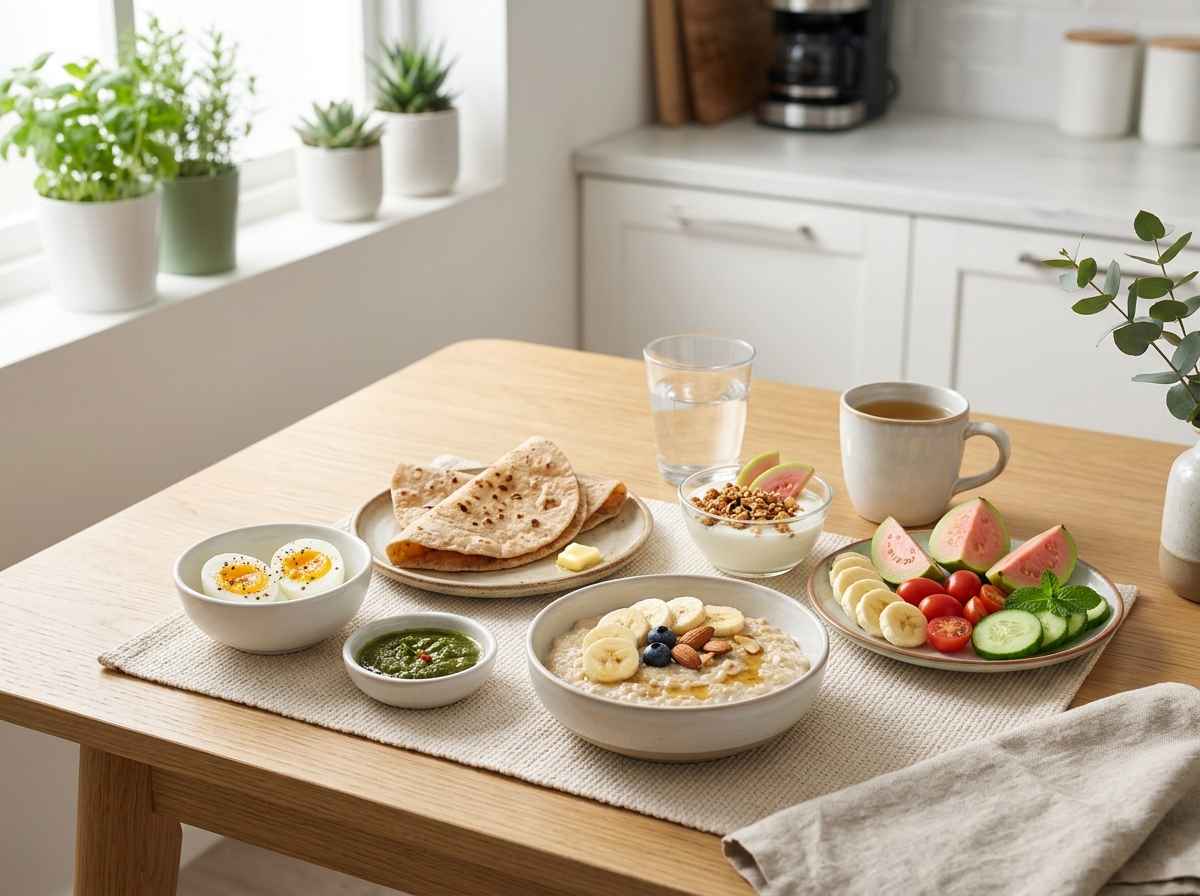
Breakfast is a vital component of your diet for the day. We do not eat for several hours during the nite and then eat something nutritious in the morning that can help to provide nutrients and energy to start the day. But you should not eat anything just to fill your stomach, the most important thing is to eat nutritious and balanced food.
In general a healthy breakfast should contain a mixture of carbohydrates, protein, healthy fats, vitamins, minerals and enough fluids. The amount and type of food needed at breakfast may vary with age, physical activity, dietary habits, and individual health needs.
Why Is Healthy Breakfast Important?
Breakfast can help get the body ready for the day’s activities. A healthy breakfast can be especially helpful for students, working people and anyone who does morning physical activity.
Eating a balanced breakfast can help you stay full longer and may help reduce the risk of snacking on unhealthy snacks between meals.
But breakfast doesn’t necessarily work the same for every person. Breakfast options may need to be tailored to individual dietary habits and health needs.
What foods should you eat for a healthy breakfast?
Egg

protein-rich-breakfast

Eggs are readily available and are a good source of protein. Breakfast may include boiled eggs, eggs cooked with a little oil or vegetable omelettes.
For a healthier breakfast, add eggs with vegetables and whole-grain foods.
Muesli
Oats are quick to make and contain dietary fibre. Eat oats with milk or plain yoghurt. You can also add bananas, apples, guava or other fruits for added flavour and nutrition.
Plain oats are a better choice than flavoured oats with added sugar.
Whole Wheat Loaf
You could choose whole-wheat roti or other whole grains instead of white bread or highly refined grains.
You can add eggs, lentils, vegetables or a small amount of nuts along with roti to give a variety of nutrients at breakfast.
Various Kinds of Fruits
A good habit would be to include seasonal fruits in your breakfast. Choose bananas, guava, apples, oranges, papaya or any other fruit locally available.
Fruits are a source of vitamins, minerals and dietary fibre that can contribute to our daily nutrition. However, eating only fruit for breakfast each day is not a good idea. It is better to have fruit along with protein and other good foods.
Yoghurt (plain)
oats-yogurt-fruit-breakfast
Plain unsweetened or low sugar yoghurt can be served at breakfast. It has protein and a few other nutrients.
Add fruit, oats or a small amount of nuts to yoghurt for a simple, healthy breakfast.
Grains and Nuts
Healthy fats and other nutrients are found in almonds, peanuts, walnuts, and other seeds. They are somewhat calorie dense, so be mindful of your portion size.
Select plain or minimally processed nuts instead of those that contain too much salt or sugar.
Vegetables and Lentils
whole-wheat-roti-lentils-vegetables
Adding lentils or vegetables to your breakfast is one way to boost the amount of dietary fibre and nutrients you eat. You can make a healthy meal by combining vegetables and lentils with either roti or rice.
Lentils are an especially important source of protein for people who eat vegetarian diets.
What foods should you not eat for breakfast?
Healthy breakfast is not only about selecting some foods, but it is also about restricting some foods.
Too much SUGAR
Keep high-sugar foods and drinks out of your regular breakfast rotation. Choose low-sugar or unsweetened products instead of sweetened cereals, tea or coffee with too much sugar, or sugary drinks.
Too Much Deep-Fried Food
Occasionally Puri, Paratha, Singara, Samosa and excess oil fried foods can be eaten. But having these foods as the main part of your breakfast every day is not a healthy habit.
Very Processed Foods
Avoid packaged cakes, biscuits, sweet bakery products and processed foods with high salt or sugar content as regular breakfast choices.
For more information, read our article on-Avocado Toast or Nut Butter Toast – Which is Healthier?
What to Drink With a Healthy Breakfast?
Water is a good, simple choice at breakfast. Or you can have unsweetened or low sugar tea or milk depending on your needs.
Whole fruit may be better than fruit juice because whole fruits contain dietary fibre and may help you feel full longer.
5 Simple Healthy Breakfast Menu Ideas
Menu- 1
- 1-2 eggs (for egg wash)
- 1-2 whole wheat chapatis
- vegtabels
Menu- 2
- Muesli
- Regular yoghurt or milk
- Bananas or apple
- A little bit of nuts
Example- 3
- Bread
- Red lentils
- Vegetables, mixed
- One fruit of the season
Example -4
- egg boiled
- Fruit
- Regular yoghurt
- Menu 5 Water
- Omelette with vegetables
- Whole wheat roti
- Guava or Papaya
- Water
The amount of food should be tailored to a person’s age, body size, physical activity, and individual health needs.
What do you feed your children for breakfast?
Children’s breakfast should be not only delicious but also useful. You can include eggs, milk or yoghurt, fruits, roti, oats, lentils and vegetables, in age-appropriate combinations.
If the child has a food allergy, avoid the particular food. If you have specific concerns about a child’s diet, it is best to seek advice from a healthcare professional or registered dietitian.
For more information, read our article on-Quinoa Vs Rice : Which Grain Is Healthier?
What is a healthy breakfast for weight control?
For weight management, one should look at the whole day’s diet and physical activity rather than just breakfast.
Breakfast may consist of foods high in protein and fibre, like eggs, lentils, vegetables, fruits, oats, and whole-grain products. Limiting foods with added sugar and too much oil may also be helpful.
But eating tiny amounts of food, or not eating for long periods, is not the right way for everyone to lose weight. It is better to make a healthy eating plan for your personal needs.
Easy Tips for Making a Healthy Breakfast
When you are making a good breakfast, you should remember three things:
First, add protein. Go for eggs, lentils, yoghurt or other protein-rich foods.
Second, add fibre to your diet. Eat vegetables and fruits and oats and whole grain foods.
Third, cut the sugar and the fat; This can help you have a more balanced meal.
For more information, read our article on-Breaking Free From Diet Culture
Summing Up
The first meal of the day is breakfast and it is the most important. A healthy breakfast gives the body the necessary nutrients and energy to begin the day. A nutritious breakfast can be made by combining eggs, oats, whole-wheat roti, fruits, yoghurt, lentils, vegetables, and moderate portions of nuts.
There is no need to eat the same foods every day. Experiment with breakfast choices from local and seasonal foods and alter portion sizes to suit your age, daily activities and personal health needs.
A healthy lifestyle also includes eating a healthy breakfast, drinking enough water, exercising regularly and getting enough sleep.
FREQUENTLY ASKED QUESTIONS (FAQS)
1.A good breakfast should contain:
A good breakfast should have a combination of protein, fiber, healthy fats, vitamins, minerals and carbohydrates. Eggs, oats, whole-wheat roti, fruits, yogurt, lentils and vegetables are all good choices.
2. What are the worst foods to eat for breakfast?
For a healthy breakfast you can eat eggs, oatmeal, whole grain bread, whole wheat roti, plain yogurt, fresh fruits, nuts, lentils and vegetables. Select the blend that best fits your taste and nutritional needs.
3. Are eggs a good breakfast?
Yes eggs are a great source of protein and they have a lot of important nutrients. A healthy breakfast might be boiled eggs, scrambled eggs or a vegetable omelet.
4. Is it okay to eat fruit for breakfast every day?
Breakfast Fruit Eating fruit for breakfast can be a good way to get vitamins and minerals and dietary fiber. Pair fruit with protein-rich foods like eggs, plain yogurt or milk to make a more balanced meal.
5. Is oatmeal a good breakfast choice?
Oats are a good source of fiber and can be a healthy breakfast. You can make them with milk or plain yogurt, and add some fresh fruit or a little bit of nuts for added nutrients.
6. What foods should I avoid for breakfast often?
Cut down on foods and drinks high in added sugar such as sugary cereals, sweetened drinks and packaged pastries. You can deep fry foods once in a while instead of making it the main course for breakfast everyday.
7. What is a good breakfast for children?
Healthy breakfast for kids could be eggs, milk, plain yogurt, fruits, oats, whole wheat roti, lentils and vegetables. And be aware of food allergies or dietary restrictions and the size of portions appropriate to their age.
8. What’s in a healthy breakfast drink?
It is good to take water with your breakfast. If you like, and depending on your nutritional needs, you may also include unsweetened milk or tea as part of a balanced breakfast. Whole fruit is usually a better source of fiber than fruit juice.




One thought on “What To Eat For A Healthy Breakfast? 10 Healthy Foods”
Comments are closed.