
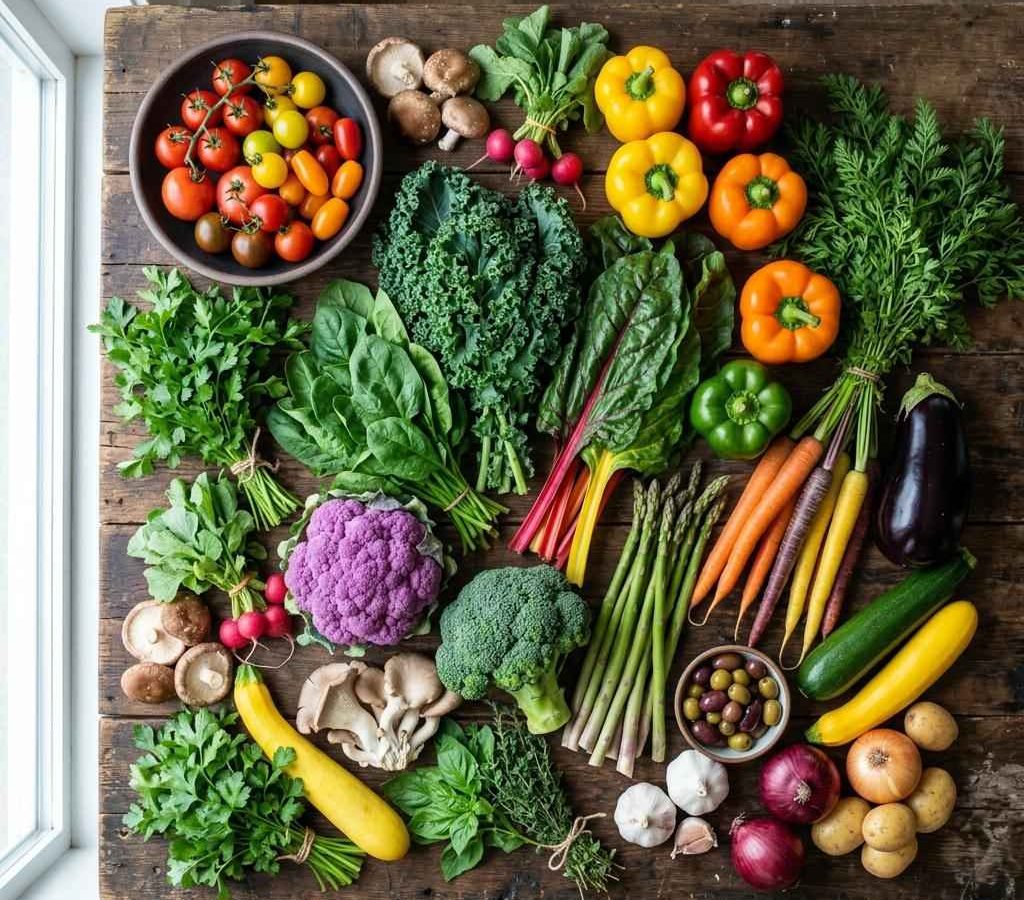
10 Major Health Benefits of Eating Vegetables Everyday
What is the importance of the benefits of Eating vegetables?
Benefits of Eating Vegetable are a big part of a healthy diet each day. Other vegetables also have vitamins, minerals, dietary fibre, antioxidants and other necessary nutrients. Eating enough vegetables regularly in general can help provide important nutrients and support overall health.
benefits of eating vegetables are not pointed at any particular part of the body. Vegetables are a good source of healthy digestion, heart health, normal immune function and many other important processes in the body.
Supplies Needed Vitamins and Minerals
One of the main advantages of vegetables is their high content of minerals and vitamins. Carotenoids are present in carrots, sweet potatoes and many green leafy vegetables. Tomatoes, bell peppers and many other vegetables are high in vitamin C.
Vegetables provide nutrients such as potassium and folate, which are needed for the body to function normally. By adding lots of different vegetables to your meals, you can increase the overall nutrition of your diet. Select a range of vegetables. Try to eat a range of vegetables, not just the same one every day. Add variety to your meals with leafy greens, carrots, cauliflower, cabbage, tomatoes, eggplant, bottle gourd, beans and other seasonal vegetables.
For more information, read our article on-Protein-Packed Grains to Add to Your Diet
Supports healthy digestion
Vegetables provide a great amount of dietary fibre, which is important for healthy digestion. Getting enough fibre can help keep your bowel function and regularity normal. Leafy greens, carrots, pumpkin, beans and other vegetables are good sources to increase your daily fibre intake.Increase your fibre intake gradually and drink plenty of water to help digestion.
Can Aid in Healthy Weight Management
Vegetables contain a lot of water and fibre but relatively few calories. It can also help you feel full and satisfied when eating a lot of veggies in your meals.
Benefits of Eating Vegetable alone isn’t enough for healthy weight maintenance. A well-rounded diet should also include enough protein, whole grains and healthy fats.
Don’t cook vegetables in too much oil, salt or high-calorie sauces for maximum veggie benefits.
Heart Friendly:
Eating a diet high in vegetables can be an important part of a heart healthy eating pattern. Vegetables offer fibre, potassium and other plant nutrients that can be part of a healthy diet.
Limiting excess salt, added sugar and foods high in saturated fat are also keys to better heart health.
Supports a Healthy Immune System
Your immune system needs a range of vitamins and minerals to function properly. Vegetables are a component of a healthy diet and contain nutrients, including vitamin C, carotenoids and folate, that might support normal immune function .
No single vegetable or food will prevent illness or magically boost your immunity. Good lifestyle habits, regular physical activity, adequate sleep and a well-rounded diet are all important.
Contains Plant-Based Compounds and Antioxidants
Different coloured vegetables provide different plant compounds, some of which have antioxidant properties. Such compounds, in combination with a healthy diet, may be useful to protect cells from oxidative stress.
Can Be Incorporated Into a Blood Sugar Friendly Diet
High fibre vegetables can be an important part of a well-rounded diet. “Non-starchy vegetables in particular can be a great way to add fibre and nutrients to meals without adding much in the way of carbohydrates.
If you have diabetes or other health conditions related to blood sugar, work with a healthcare professional or registered dietitian to develop an individualised meal plan.
Supports Healthy Skin and Hair
For healthy skin and hair, proper nutrition is necessary. Vegetables are an excellent source of vitamins, minerals, antioxidants and other plant nutrients that are part of a healthy diet and help to maintain normal skin and hair health.
But eating only vegetables will not be able to solve all skin or hair problems. Good sleep, fluid intake, food balance and appropriate health care also count.
Aids in Daily Fibre intake
A healthy diet needs to include sufficient dietary fibre. Vegetables are a simple, healthy source of fibre.
Fibre is good for digestion and for keeping things moving around. It may also help you feel fuller for longer, which may make it easier to stick to a balanced eating pattern.
Helps to Develop Good Eating Habits
Vegetables are more than just a side dish, they are an important part of a healthy eating pattern. By making sure to include vegetables in your meals regularly, you can help to create better eating habits and reduce your reliance on highly processed foods.
Add vegetables to soups, salads, stir-fries, sandwiches or main meals to boost the nutrition and variety of your daily diet.
Which vegetables can you eat daily?

You can add other vegetables to your daily diet such as: • Spinach and other green vegetables
- Carrots •Tomato’s
- Cauliflower
- Cabbage;
- Broccoli;
- Calabash
- Climbing gourd (
- Aubergine (eggplant)
- Green Beans
- Ladies’ fingers (okra)
- Pumpkin •
- Peppers.
It is easy to keep variety in the diet due to the availability of local and seasonal vegetables.
For more information, read our article on–Quinoa Vs Rice
Eat Your Veggies the Healthy Way
The number of vegetables you eat and how you prepare them are both important factors in getting the most benefit. Some tips:
- Eat a variety of vegetables every day
- Add different coloured vegetables to your meals.
- Don’t deep fry the vegetables in too much oil.
- Reduce the amount of salt you add to your food when cooking.
- Clean vegetables well before cooking.
- Don’t overcook vegetables.
- Stay hydrated throughout the day.
- Combine veggies with protein and whole grains for balanced meals.
For more information, read our article on–10 Healthy Foods
Vegetables – Raw or Cooked? What’s Best?
You can eat vegetables raw, steamed, boiled or cooked. Preparation varies according to the type of vegetable and personal dietary preferences.
Some vegetables are best eaten fresh in a salad, while others are better eaten after they have been cooked. Choose ways to cook using only moderate amounts of oil and salt.
Simple ways to add more veggies to your day
You can create the habit of eating more veggies even with a busy life. Add vegetables to an omelette or have lightly cooked vegetables with breakfast. At lunch, serve vegetables with rice, whole grain foods or other basic foods. Serve vegetables as the side dish at dinner with fish, eggs, beans or some other protein.
Adding vegetables to your main meals on a regular basis will help you to eat healthily more easily and naturally over time.
CLOSING WORDS
Vegetables are an important component of a healthy, balanced diet. Benefits of vegetables are as follows: * Providing key vitamins and minerals * Boosting fibre intake Supporting healthy digestion * Helping to maintain a healthy weight * Improving diet quality in general
Instead of eating just one kind of vegetable, try mixing it up and adding a variety of colours and types to your meals. Pair vegetables with enough protein, whole grains, fruits and water to create a balanced, nutritious eating pattern.
FAQ’s
1. What are the main advantages of eating vegetables?
Vegetables are important because they provide the vitamins, minerals, fiber and antioxidants our bodies need. Eating a variety of vegetables can help support healthy digestion, normal immune function, heart health and general wellbeing.
2. Which vegetables should I eat every day?
Good nutritional choices include spinach, carrots, tomatoes, cabbages, cauliflower, broccoli, green beans, pumpkin, eggplant and okra. Select different seasonal vegetables for different nutrients.
3. How often do I need to eat vegetables?
“Most grown-ups should be aiming for 2 to 3 servings of vegetables a day, depending on what they need. You might hear that you should be eating around 2 to 3 cups of vegetables per day.
4. Can vegetables aid digestion?
Yeah. [Laughter] Many vegetables are high in dietary fiber, which may help with healthy digestion and regularity. Increase fiber intake slowly and drink plenty of water.
5. Do vegetables aid in healthy weight loss?
Yes. Many veggies are low calorie but high in water and fiber so you’ll feel fuller. Eat protein, whole grains and healthy fats with every meal balanced.
6. What are the heart healthy vegetables?
Leafy greens, broccoli, tomatoes, carrots and other vegetables can round out heart-healthy diets. They’re also filled with fiber, potassium and other nutrients that are good for your overall health.
7. Do vegetables really improve your immunity?
Yeah. Vegetables are rich in nutrients, including vitamin C, folate and carotenoids, which support the normal function of the immune system. But one vegetable can’t stop all diseases.




3 thoughts on “10 Major Health Benefits of Eating Vegetables Everyday”
Comments are closed.