
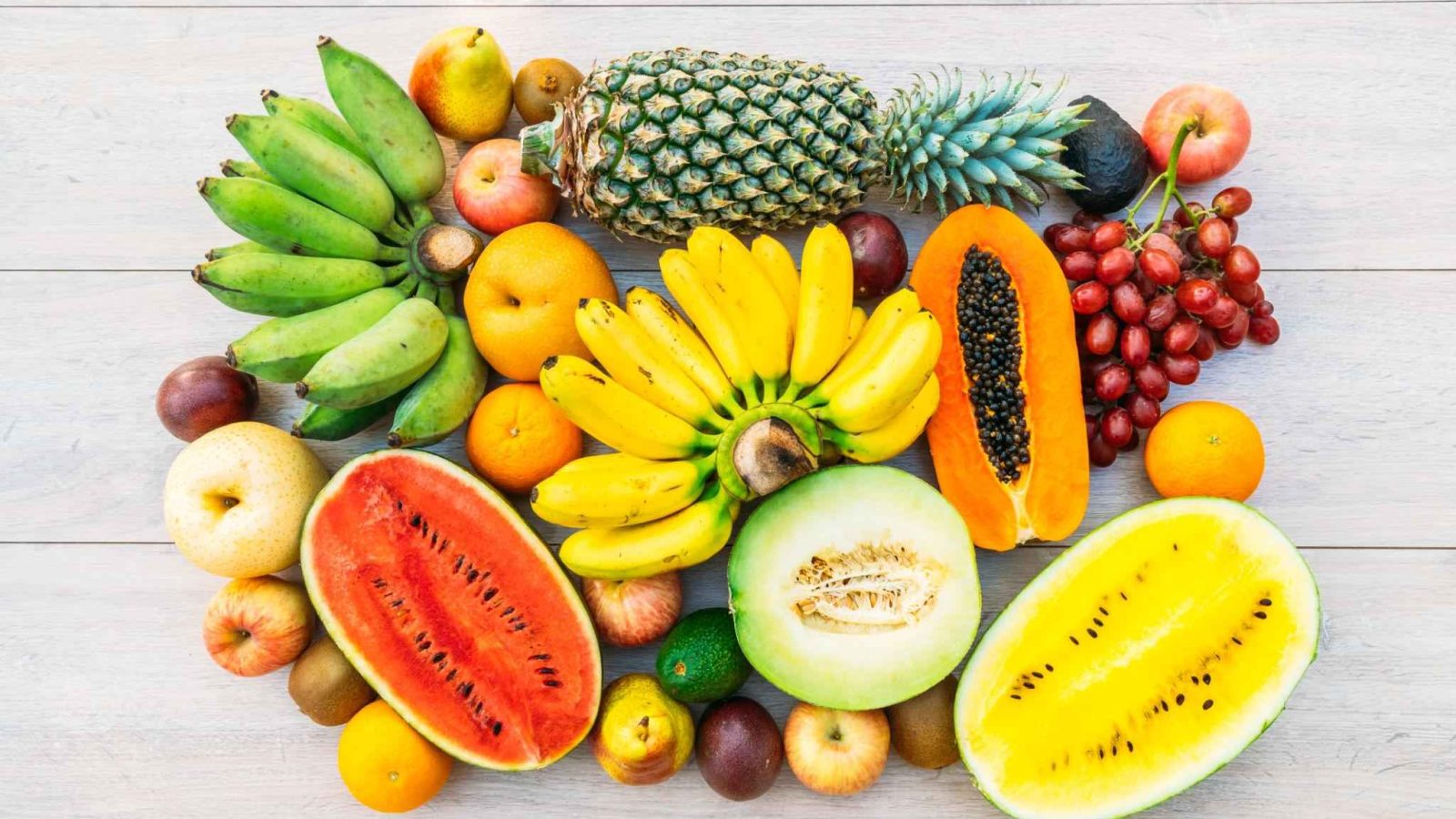
The Right Way to Eat Fruits and Their Benefits: When and How to Eat Fruits
How to Properly Eat Fruits and Their Benefits
Fruits are an important part of a healthy diet every day. Different fruits have different vitamins, minerals, fibre, water and other good compounds from plants. However, eating fruits is not enough, knowing how to eat fruits in the right way can help you to develop good eating habits with more ease.
A lot of people think that you should only eat fruits on an empty stomach or that you shouldn’t eat fruits with meals. There is no one rule for everyone, though. How much fruit you eat, when to eat it and how to eat it can change according to your age, eating habits and health condition.
What are the health benefits of fruits?
In fact, eating different kinds of fruits regularly can be part of a well-rounded diet. Fruits provide nutrients essential for normal body functions.
Rich in Vitamins and Minerals
Oranges, guava, amla, papaya, bananas and other fruits are rich in different vitamins and minerals. For example, some fruits are rich in vitamin C and some are rich in potassium and other vital nutrients.
Excellent source of fibre
Whole fruits contain dietary fibre. Fibre makes your digestive system work well and can make you feel full longer.
Helps with providing the body with water
Watermelon, oranges, guava and many other fruits contain a lot of water. So, you can count fruit toward your total fluid intake for the day.
Snack Healthy Choice
Fruits can be an easy nutritional snack choice in place of biscuits, sweets or highly processed foods.
read more–Health Benefits of Eating Vegetables Everyday
How to Eat Fruits the Proper Way?
Here are some easy things to keep in mind when you eat fruit as part of a healthy diet: No need to follow any strict schedule and eat fruits in the right way. It is important to include fruits in a well-rounded diet rather.
Choose whole fruits.

whole-fruits-vs-fruit-juice

“If you can get them, whole fruits are better than fruit juice. Juicing may reduce or extract the fibre that is found in whole fruit.
For example, eat an entire orange instead of drinking orange juice.
Wash the fruits thoroughly before eating
how-to-wash-fruits-before-eating
It is important to wash the fruits with clean running water before consumption. Any fruit that you eat skin and all should be washed particularly well.
It is also a good food-safety practice to wash your hands, knife and cutting board before you cut fruit.
Use different fruits
Instead of eating the same fruit every day, vary the fruits you eat in your diet. Guava one day, papaya or oranges another day, along with seasonal fruits.
The nutritional composition of a fruit can vary from fruit to fruit. Eating different types of fruits can help you to have a well-rounded diet.
Don’t eat a tonne of fruit at once
Fruits are good for you but you don’t need to eat more than your body requires. Consider the amount of fruit you eat in proportion to your overall diet, your age, and nutritional requirements.
If you have special dietary needs, you should consult a doctor or a registered dietitian.
When is the best time to eat fruit?

There is no single “best” time for everyone to eat fruits. Fruits can be consumed in the morning, between meals or as a snack in the afternoon.
Eating fruit in the morning Fruits are served for breakfast or as part of breakfast. For example, you can add bananas, guava or other fruits to the oats or yoghurt. Eating fruits between lunch and other meals.
A healthy snack a few hours after eating lunch is fruit. It can be a healthy alternative to candy or too much processed food.Eating Fruits in the Afternoons.
For an evening snack, you can have apples, guava, oranges, papaya and other fruits. But the quantity of food should be adjusted to your own dietary needs.
Read more-Benefits of Drinking Water in the Morning
Is it okay to eat fruit on an empty stomach?
There is no rule that you have to eat fruits on empty stomach. A lot of people don’t mind eating fruits on an empty stomach. But some people may experience an upset stomach after eating some fruits.
So when deciding when to eat fruit, it’s best to think about how your body responds. If you often feel sick after eating a particular fruit, consult a doctor.
Is It Okay to Eat Fruit After a Meal?
There’s no hard and fast rule that says eating fruit after a meal is a no-no. Some people may feel too full or uncomfortable if they eat a lot of fruit right after a heavy meal.
That’s why you might want to snack on fruit between meals. One practical solution is to pick your timing according to your own pain threshold.
Fruit juice or whole fruit?
Generally, whole fruit is better than fruit juice. The fibre content of whole fruits adds to the nutritional value of the fruit.
However, the process of preparation may reduce the amount of fibre and it may also be easier to consume a large amount of naturally occurring fruit sugar at one time. Eating whole fruit on a regular basis is a simple and healthy choice.
Fruits to avoid during eating
It is good to avoid some common mistakes when you follow the right way to eat fruits: • Do not eat fruits without washing them.
- Don’t drink only fruit juices.
- Don’t overdo it on the sugar in fruits.
- Don’t eat the same fruit each day. Shake it up.
- Avoid eating bad or rotten fruits.
- Don’t consider sweetened or flavoured fruit drinks as a healthy choice over whole fruit.
- If you have a medical condition, speak to your health care professional before making any significant changes to your diet.
What Fruits Should I Eat at Different Times?
As for fruit, you can choose the ones that are seasonal and easily available.
Breakfast: Bananas, guava, papaya or apples.
Midday Snack Seasonal fruits, orange, guava.
Afternoon Snack: Apples, papaya, oranges or any other fresh fruits.
For Dietary Diversity: Have a variety of different colours and types of fruit.
This meal plan is not required. People may consume different types and quantities of fruit depending on age, health, daily eating patterns, and nutritional needs.
What to consider for children and older people?

Serve to children – cut fruit into pieces small enough for the age. Consider the size and hardness of the fruit when feeding fruit to toddlers to help reduce the risk of choking.
Soft fruit like bananas, or fruit cut into small pieces, may be easier for older people who have trouble eating or swallowing. If you have any specific medical conditions or dietary restrictions, please consult your healthcare professional.
How to Store Fruit Correctly

Proper storage is the key to keeping fruits fresh longer. Some fruits are fine at room temperature, some are best refrigerated.
Cut fruits should be stored in a clean covered container and eaten quickly. Better to avoid eating cut fruits kept outside for long.
Read more-10 Healthy Foods
Finally
Fruits are an important component of a balanced, healthy diet. The right way to eat fruit is to choose clean, fresh, whole fruit, to eat a variety of fruit and to select portions appropriate to your needs.
There is no specific time for eating fruits that is true for everyone. Fruits can be eaten at breakfast, between meals or as an afternoon snack. But it’s usually better to eat whole fruits rather than fruit juice and avoid adding lots of sugar.
Last but not least, remember that a healthy diet is not only made of fruits. Besides fruit, a varied and balanced diet including vegetables, lentils, fish, eggs, milk or other suitable nutritious foods is important.




3 thoughts on “The Right Way to Eat Fruits and Their Benefits: When and How to Eat Fruits”
Comments are closed.