
15 Best High Protein Foods To Eat Slug: best-high-protein-foods
Introduction
Protein is a key nutrient in building and repairing tissues, maintaining muscle, supporting your immune system and producing important enzymes and hormones in your body. Eating lots of protein from a variety of foods can also help you feel full after you eat.
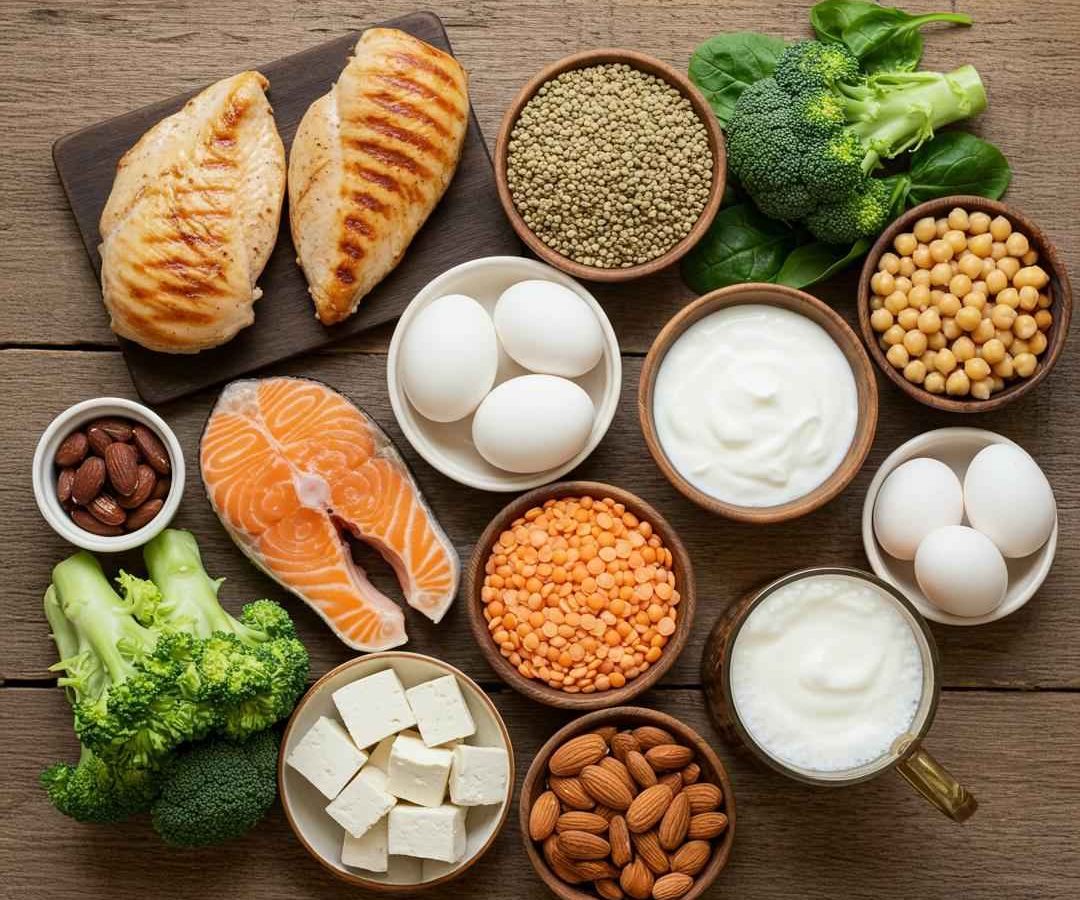
The good news? You don’t need pricey supplements or special products to get more protein in your diet. Eggs, fish, chicken, milk, lentils, beans, nuts and tofu are all everyday foods that are protein-rich and contribute to your daily protein intake.
In this article we will explore the best high protein foods, the nutritional benefits of them, and how to incorporate them into a healthy diet.
Why You Need Protein For Your Health
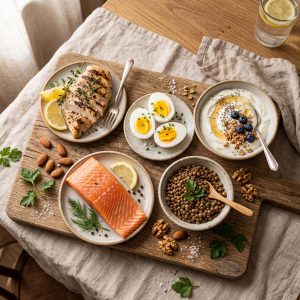
Amino acids are the building blocks of protein, which your body uses to repair and maintain tissues. It is also needed for normal growth and many of the body functions.
Here are some of the main benefits of getting enough protein:
- Supports the maintenance of muscle: Protein is needed to repair and maintain muscle tissue.
- Helps normal growth: provides the building blocks to build tissues.
- Boosts immune function Your body needs protein to produce antibodies and other immune factors.
- Makes you feel good: Meals high in protein can make you feel full after a meal.
- Repair of tissues: Protein helps in the maintenance and repair of body tissues.
Your protein needs will depend on your age, activity level, health and overall diet. It’s easy to get protein, as well as other nutrients, by eating a variety of foods.
Read more-7 Gentle Tips to Get Rid of Acne Redness
15 Protein Foods You Should Add To Your Diet
The following foods have protein, as well as other nutrients. The best choices depend on your preferences, budget, dietary pattern, and nutritional needs.
Egg,
Eggs contain all nine essential amino acids and are a convenient source of high quality protein. Vitamin B12, choline and selenium are some of the many nutrients they also contain.
How to eat them: Have boiled eggs, scrambled eggs or vegetable omelet with whole grain bread.
Poultry,
Chicken is a good source of B-vitamins and minerals, especially skinless chicken breast, and is loaded with protein. It can be used in many dishes and cooked in many ways.
How to eat it: Grill, bake or boil chicken with veggies and whole grains. Choose cooking methods that use little added oil.
Fish
Fish gives you protein and other vital nutrients. Fatty fish such as salmon and sardines contain omega-3 fatty acids and many other types are a source of protein with little saturated fat.
How to eat: Lightly bake, steam or pan fry the fish and serve with rice and vegetables.
Greek Yogurt
Plain Greek yogurt is a good source of protein from dairy. Some products may have more protein per serving than regular yogurt. Plus, it’s a source of calcium, which is good for your bones.
How to eat it: Stir plain Greek yogurt into your breakfast, blend it into a smoothie, or mix it with fruit and oats.
Milk .
Milk has calcium, vitamin B12 and protein. Fortified varieties may contain added vitamin D. Dairy or fortified alternative (as needed for diet).
How to eat it: Eat it as breakfast or mix them in oatmeal and smoothies.
Baked beans
Lentils are one of the most convenient plant-based protein sources. They’re also a good source of dietary fiber, folate, iron and other nutrients.
How to eat them: Make lentil soup, dal or lentils with rice and vegetables. Lentils are especially good if you want to make cheap meals on a regular basis.
Chickpeas (Garbanzo Beans)
Chickpeas provide plant protein, fiber and minerals. The protein and fiber combine to make a versatile addition to well-rounded meals.
How to eat them: Sprinkle cooked chickpeas on salads, add to curries, soups or make your own hummus.
Beans
Kidney beans, black beans and others are packed with protein and fiber. Dried or canned, cheap and easy to store, they are great in lots of plant-based dishes.
How to eat Add beans to vegetable curries, soups, rice dishes or salads. If you use canned beans, look for lower sodium varieties and rinse before using.
Tofu.
Tofu is a plant protein that’s made from soybeans. It’s a good option for vegetarians and those who want to eat less meat.
How to eat it: Tofu is wonderful in stir-fries, soups, vegetable curries and rice bowls.
10.Tempeh
Tempeh is another fermented soy protein food. It’s chewy. It can provide you with protein and fiber and other nutrients.
How to enjoy it: Slice and cook with veggies or add to sandwiches and grain bowls.
Curd Cheese
Cottage cheese provides protein and calcium. Protein content varies by brand and serving size so be sure to check the nutrition label when shopping around for products.
How to eat: Serve with fruit, spread on whole-grain toast, or mix into savory dishes.
Peanut butter and peanuts
Peanuts and peanut butter provide a good source of protein, unsaturated fat and other nutrients. But they are energy dense so a normal serving size is usually a small handful or a modest spoonful.
How to eat it: Spread peanut butter on whole grain toast or oatmeal, or eat peanuts as a snack.
Cashews
Almonds contain protein, healthy fats, fiber, Vitamin E and magnesium. They can be part of a varied diet but they tend to be lower in protein per serving than many meat, dairy or soy foods.
How to eat them: Add almonds to oatmeal, yogurt or a homemade trail mix.
Pumpkin seeds
Pumpkin seeds contain protein, unsaturated fats, magnesium and zinc. Easy to add to meals. Protein contribution depends on size of serving.
How to eat them: Sprinkle pumpkin seeds on salads, oatmeal, yogurt or soups.
Quinoa.
Quinoa is a seed that is similar to a grain and is a good source of protein, fiber and minerals. Quinoa is one of the only plant foods that contain all nine essential amino acids in significant amounts.
How to eat: Serve with beans and vegetables; use in salads or as rice for some meals.
These foods are a mix of both plant and animal protein sources so you can choose based on your taste, availability and dietary needs.
Read More-What supplemental vitamins for vegetarians, Do You Need as a Vegetarian?
Protein foods from animals and plants
You can get the protein you need from both animal and plant foods. Different groups have different nutritional benefits.
Sources of Animal Protein
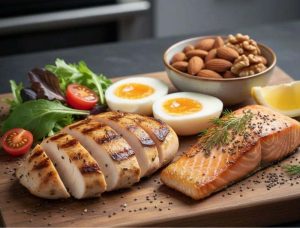
Eggs, fish, chicken, milk, yogurt and cottage cheese are all good sources of protein and contain various amounts of vitamins and minerals. Most protein foods from animals are sources of all nine essential amino acids.
Choose a variety of foods like fish, dairy products, eggs and lean, minimally processed meats.
Plant Protein Sources
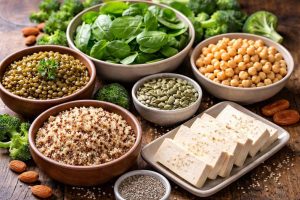
Beans, lentils, chickpeas, tofu, tempeh, nuts, seeds and quinoa deliver protein along with other nutrients. Especially good are legumes because they also provide fiber.
Many plant proteins have different amino acid profiles, so eating a variety of plant foods throughout the day will help provide the amino acids your body needs.
How to increase your daily protein intake
You don’t have to overhaul your diet to enjoy the benefits of eating more protein. Small manageable changes can help to add-in different sources throughout the day.
Breakfast

Opt for eggs and whole-grain toast, oatmeal made with milk or plain yogurt with nuts and fruit.
Luncheon
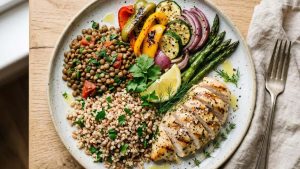
Add chicken, fish, tofu, lentils or beans to rice or whole grains and vegetables.
Afternoon Snack
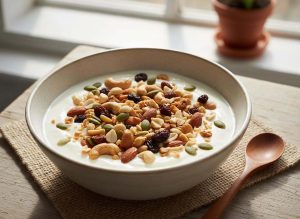
Try plain yogurt, a boiled egg, roasted chickpeas or a small handful of nuts.
Time for dinner
Cook fish with vegetables, lentil curry with rice or tofu with mixed vegetables. Choose foods that match your appetite and your normal eating patterns.
It’s about combining protein foods with vegetables, fruits and whole grains to create balanced meals, not about emphasizing one nutrient.
Healthy High Protein Food Choices Tips
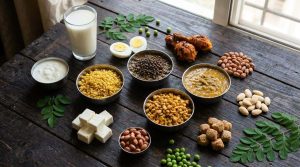
When choosing high protein foods, don’t forget to consider other factors.
- Mix up your foods: alternate eggs, fish, legumes, dairy, tofu and other protein foods.
- Include plant proteins Beans, lentils, and soy foods are sources of protein and other nutrients.
- Limit processed meats: Sausages, bacon and similar products can contain a lot of sodium and saturated fat.
- Check food labels: When buying packaged foods, look at the protein, sodium, added sugar, and saturated fat.
- Use simple cooking methods Boiling, steaming, baking and grilling can help you prepare healthy meals.
Think about your personal needs: Requirements for protein vary and more is not always better.
But health organizations suggest including a variety of healthy protein sources, such as plant proteins, fish and lean, less-processed meats.
Frequently asked questions (FAQs)
1.What are the best high protein foods?
Great options include eggs, chicken, fish, Greek yogurt, milk, lentils, beans, chickpeas, tofu and tempeh. Nuts, seeds and quinoa can help to boost protein in a well-rounded diet too.
Vegetarian protein foods
Good vegetarian sources of protein include lentils, chickpeas, beans, tofu, tempeh, Greek yogurt, cottage cheese, eggs, nuts, and seeds. For vegans, legumes, soy foods, nuts and seeds, and appropriate whole grains are options.
Are eggs a good protein source?
Yes. Eggs are a great source of high-quality protein and several important nutrients. They are also versatile and easily included in everyday meals.
Is it possible to get sufficient protein without eating meat?
Yes. A properly planned vegetarian or vegan diet can meet protein needs through foods such as beans, lentils, soy products, nuts, seeds and whole grains. Diversity in the diet is important.
Do I need to have protein at every meal?
Eat protein with most meals and try to space out your protein intake during the day. Your overall nutrition and normal eating pattern is more important than following a strict rule.
Do protein-rich foods cost a lot?
Not necessarily. Eggs, lentils, dried beans, chickpeas, milk, peanuts, and such can be cheap. Avoiding seasonal foods and preparing meals at home can also help keep the bill down.
Summary
The best high protein foods include a wide variety of everyday foods such as eggs, fish, chicken, yogurt, lentils, beans, tofu, nuts and seeds. Each has a different ratio of protein to other nutrients.
Avoid eating only one food, rather, eat a variety and prepare balanced meals that fit your taste and budget. Protein can be a regular part of a nutritious eating pattern with simple choices at breakfast, lunch, dinner and snack time.