
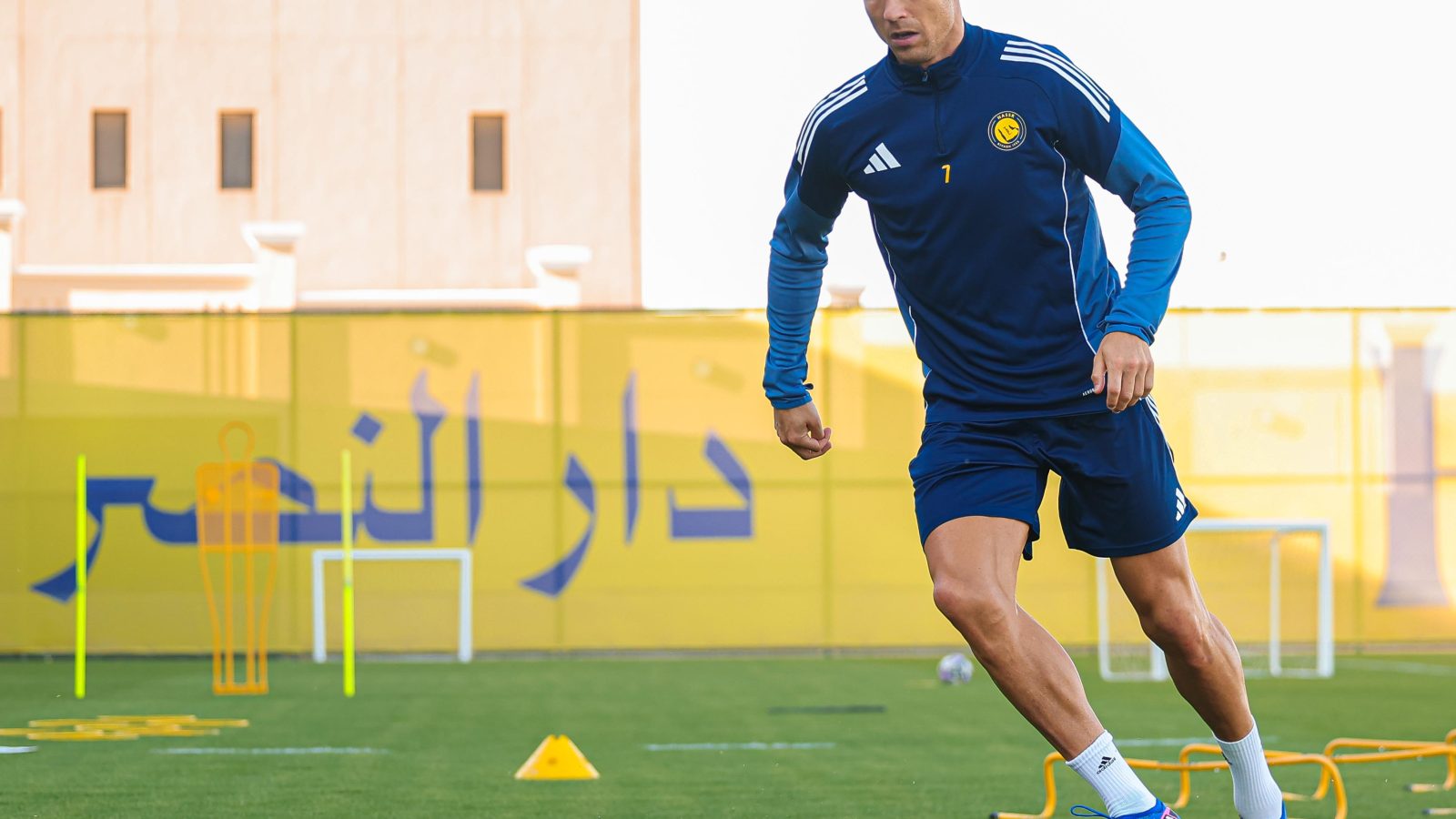
Cristiano Ronaldo’s Fitness, Diet, Workout & Lifestyle Secrets At 41
Cristiano Ronaldo’s Fitness, Diet, Workout & Lifestyle Secrets At 41
Introduction:
Cristiano Ronaldo is one of the greatest players of all time in football. His phenomenal goal scoring ability, athletic performance, competitive mindset and dedication to football has been an inspiration to millions of fans around the world.
Ronaldo was born in February 5 , 1985 . So he was 41 in 2026 . He still plays professional football today and shows how much of a difference preparation, experience and consistent training can make in a tough sport at this age. He enjoyed a career that took him to the very summit with Manchester United, Real Madrid, Juventus, Portugal and Al-Nassr.
But what is so amazing about his physical performance? Is it his exercise, his diet, his sleep, his mental discipline?
There is not one secret way that is the answer. Years of professional coaching, soccer specific training, nutrition planning, recovery and commitment are the result of his longevity. He may have a certain routine he follows each day, depending on his training schedule, matches, travel and physical condition.
In this article we will learn about Cristiano Ronaldo fitness routine principles, his food habits, exercise routine, recovery practices and healthy lifestyle lessons that common people can learn from him.
1. How Ronaldo Maintains Fitness at Age 41
As you get older you will begin to observe natural changes in your muscle strength, recovery speed, flexibility and overall athletic performance. However, these changes are individual and can be affected by exercise, diet, sleep and general health.
Ronaldo’s longevity shows how important it is to adapt to these changes and not just rely on natural talent.
A big part of his ongoing success, says FIFA’s coverage of his career, is that he has been able to evolve and change as a footballer. His style of play changed as his career progressed, turning from a speedy, clever winger into a more specialized goal-scorer.
There are a number of reasons for his longevity.
Additional professional development
And Ronaldo has been working with professional coaches and conditioning specialists for decades. His work isn’t just weightlifting or running. Football requires speed, co-ordination, balance, technical ability, decision making and stamina.
Football-specific training
A footballer has to sprint, change direction, jump, pass and shoot – all the while thinking. Training should be done whereby these abilities are developed together and not just one aspect of fitness.
Recovery and load management
No professional athlete trains at full speed every day without taking fatigue into account.” Training volume has to be adjusted around games and injuries and travel and recovery needs,”
Learning and adjustment
“As they gain experience, athletes learn how to manage their energy, recognize fatigue and make better decisions about preparation. The ability to change his style of play is a very important lesson for athletes at all levels.
2. Cristiano Ronaldo’s Fitness Routine.
The Cristiano Ronaldo workout routine is mainly strength training, sprinting, agility workouts, football drills and conditioning. It was expected that his training would be a combination of team sessions and gym work, but the precise timetable was fluid.
weight lifting
Footballers need to be strong because they need to accelerate quickly, keep their balance, fight for the ball and make explosive movements.
A professional strength program may look like:
- Squats, and other exercises that build the lower body.
- Weight exercises for upper body.
- Exercises to improve core stability.
- Work your glutes and hamstrings.
- Single leg exercises for balance and coordination.
These exercises, if programd correctly, can help build strength and movement control.
But the whole training setup for Ronaldo is aimed at a professional athlete. Beginners should not attempt to copy his workload or lift heavy weights without proper instruction.
Sprints and Speed Training
Football is a quick game. Sometimes you’ve got to chase a loose ball, get some space from a defender, make a quick play on a counterattack.
For training speed do short controlled accelerations, changes of direction and reaction drills. Coaches customize the distance, repetitions and rest periods based on the athlete’s experience and physical condition.
speed and coordination
Agility is the ability of the player to change direction quickly and maintain control of his or her body.
In football-specific agility work you may do cone drills, controlled changes of direction, ball control and responding to visual or verbal cues.
Ronaldo’s skill and athleticism prove that speed isn’t everything. Football success is about skill, technique and decision making as well as physical ability. Gym training is just a part of a professional footballer’s training. Football training All the things like passing, shooting, positioning, tactical work and match practice are important.
Football drills develop sports-specific coordination and allow the use of the physical capabilities of players in real situations.
What about for starters? Adapt this method?
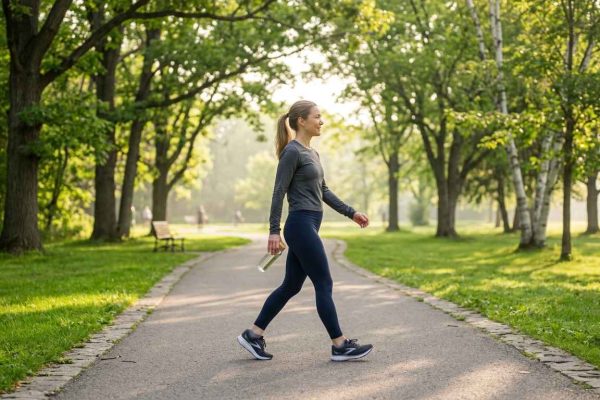
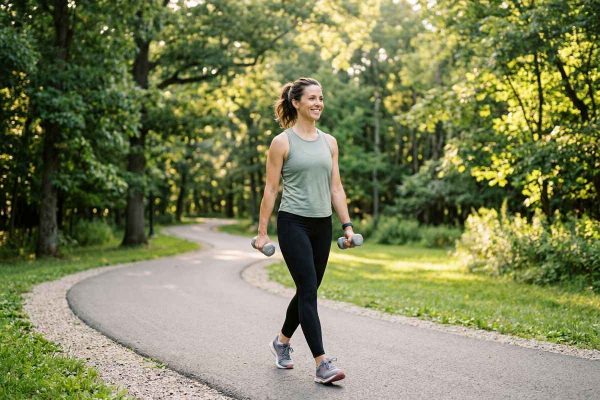
A beginner can work on basic movement, body weight exercises, comfortable walking or cycling, and simple co-ordination drills.
You can’t get fit all at once. You don’t have to spend hours in the gym every day or train like a top footballer to reap the rewards of exercise
3. Cristiano Ronaldo’s Food & Diet Regime
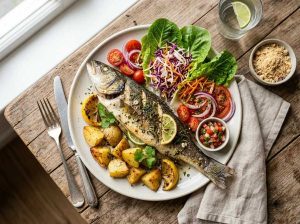
Another key part of the Cristiano Ronaldo fitness routine is nutrition. A professional footballer needs enough energy to support training, maintain muscle function and recover between demanding sessions.
In an interview with FourFourTwo in 2015, Ronaldo talked about healthy eating and making food choices such as fresh fish, fruits, vegetables, whole grains, and lean protein. He also stressed the importance of sleep and avoiding habits that could hurt performance. This is a historical description of his approach, not a verified menu for every day in 2026.
Read more:Iron Boost: Best Foods and Tips to Improve Your Iron Intake
High-Protein Foods
Protein helps to grow and repair muscle. Active people can get protein from many foods including:- Chicken and fish.
- Eggs.
- Dairy foods like milk and yogurt.
- Beans and lentils and chickpeas.
- Tofu and other soy foods
The correct amount is based on age, activity level, overall diet and individual needs. More protein isn’t necessarily better.
Read more-8 Protein-Packed Grains to Add to Your Diet
Fruit and vegetables
Fruits and vegetables are rich in vitamins, minerals, fiber, water and other beneficial plant compounds.
Examples: bananas, oranges, berries, spinach, carrots, tomatoes, broccoli, seasonal fruit.
Eating a variety of colorful produce can help a lot toward promoting overall health. No one fruit or vegetable will give you better athletic performance.
Starch and Cereals
Carbs are an important energy source for high-intensity exercise.
Rice, oats, whole-wheat bread, potatoes and other grain or starchy foods can give active people the energy they need.
The amount depends on the intensity and duration of training. Football players who have demanding schedules have different energy requirements than those who sit for most of the day.
Fats that are healthy
You’ll find the fats that help keep the body functioning normally in foods such as nuts, seeds, olive oil and oily fish.
A balanced eating pattern includes adequate amounts of fat, as well as carbohydrate, protein and other vital nutrients.
Water use
Water is vital to regulating temperature, circulation and physical performance.
The need for fluid rises with long or intense exercise. Depending on the length of time, intensity and environment, athletes may also need to replace electrolytes.
A good start to daily activity is drinking water regularly and responding to thirst.
Does Ronaldo stick to a strict diet?
His professional environment provides access to nutrition expertise and individualized meal planning. That said, just because something is posted online about exact meal timings and/or a fixed number of meals and/or specific foods, does not necessarily mean that is the current personal routine that he follows.
The takeaway is to build balanced eating habits, not to follow a celebrity diet.
4.Sleep and Recovery: An Essential Part of Fitness
Exercise is putting the body to work. Recovery enables the body to adjust to those demands, helping people return to their activities feeling refreshed.
Ronaldo has publicly spoken about the importance of sleep in his training regime. His professional preparation also occurs in an environment where the workload, physical condition and recovery can be controlled.
Keep a consistent sleep schedule
A fairly consistent bedtime and wake-up time can help you maintain a healthy sleep routine.
Teens need about 8 to 10 hours of sleep per nite and adults need about 7 to 9 hours.
Allow time to recover between hard workouts
Working the same muscles hard every day can build up fatigue and make recovery more difficult. Mixing up the types of activity and planning in easier days can help.
Take advantage of rest days
Rest is not time lost. part of a balanced exercise regimen.
This might mean gentle walking, comfortable mobility exercises, or even a day of rest depending on how tired or active you are.
Symptoms of Overtraining
Common signs that training demands need to be adjusted are constant soreness , abnormal fatigue , decreased performance , poor sleep , lack of motivation .
Professional athletes have support teams to help them evaluate these things. Recovery needs to be taken seriously by even the casual exerciser.
5. Cristiano Ronaldo’s Way of Life and Daily Discipline.
The life of a successful athlete is much more than food and exercise. Routine, preparation, focus and the ability to adjust to shifting circumstances are also key.
Consistency, not instant results
Ronaldo has been in the game for over two decades. His athletic performance is not a single workout or a short-term fitness challenge.
For the average person, consistency may mean going on regular walks, eating balanced meals, getting enough sleep, and getting back into a healthy routine after a busy day.
Planning and preparation.
Planning ahead can help you make healthy choices.
For example, eating a healthy lunch, making time to move around, and maintaining a steady bedtime can cut down on the number of spontaneous decisions you have to make.
Setting goals and mental focus
Athletes must be able to concentrate so they can learn the techniques, follow the tactics and deal with the pressure.
Realistic goals will keep anyone interested in a fitness routine. A good goal might be to walk more consistently, to better coordinate, or to learn a new sport.
Managing activity and personal life
A sustainable lifestyle will include school or work, relationships, recreation and rest.
Pro athletes have crazy schedules and resources. Their way of doing things is not the model for us all to follow.
Developing a Healthy Fitness Routine Inspired by CR7
You don’t need a professional gym or fancy equipment to start developing healthy habits.
Here is an approach that you might want to try in practice:
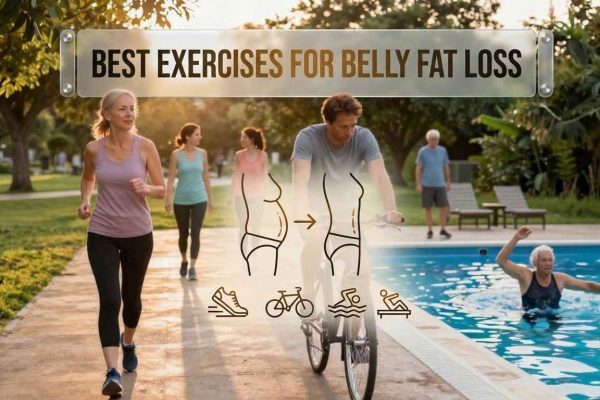
- modify Choose: a physical activity you enjoy – walking, cycling, swimming, dancing or playing football.
- Develop basic strength: Learn good body weight exercises and progress slowly.
- Eat balanced meals: Eat different types of protein, carbs, fruits and veggies, healthy fats.
- Drink lots of water: If your needs increase due to conditions or activity, seek thirst and drink more.
- Get some rest: Create a regimen to aid in the recovery of your body and mind.
- Prioritize rest: Adjust activity if feeling very tired or unwell.
- Set reasonable goals: Don’t try to be the physique or workload of a pro athlete, focus on your skills, energy, fitness and consistency.
For teenagers, it should be about healthy development, fun movement, enough food and enough sleep, not extreme exercise plans or restrictive diets.”
Common Myths About Cristiano Ronaldo Fitness
Myth 1: You have to work out every day for hours to get fit.
Fact: The right amount of activity depends on age, health, experience and goals. Even a realistic amount of everyday physical activity can have real benefits.
Myth 2: You Only Need To Eat A High Protein Diet
Fact: Protein’s important. Yes. But so are carbs and fats, vitamins and minerals and plain old energy.
Myth 3: Doing nothing is always the way to recover
The truth is that recovery depends on activity. Sometimes you have to go slow. Sometimes doing nothing at all is the best thing.
Myth 4: Ronaldo’s routine is easy to do
Fact: His training is based on professional soccer and individual support. Another person’s needs can be very different.
Myth 5: Age is the only predictor of athletic ability
Fact: Age plays a role in physical performance, but so does your training history, health, recovery, experience and individual differences.
What 41-Year-Old Cristiano Ronaldo Can Teach Us
The big takeaway from Ronaldo’s career is that athletic success is many interwoven habits.
Training improves physical skills. Balanced nutrition is getting energy and nutrients. Sleep allows you to heal. The skill and experience gained from the technical practice allows the athlete to adapt their approach as time goes on.
His career also illustrates the importance of change. You can’t rely forever on the strengths and methods of a professional footballer. Preparation has to adjust to evolving demands.
The key point for readers of health and fitness blogs is don’t try to copy everything Ronaldo does in his life. The point is to find good habits that will work for you in your own situation and stick with them.
The most useful thing is not extreme routines which are hard to maintain but small sustainable steps.
Summary
Cristiano Ronaldo, 41, is a prime example of longevity in professional football in terms of fitness. His career demonstrates the importance of consistent training, good nutrition, sufficient recovery, mental focus and adaptation to changing physical demands.
Cristiano Ronaldo’s fitness routine is a great source of inspiration but the best fitness routine is the one that is appropriate to your age, ability, health and goals.
You don’t have to be a professional athlete for these principles to work. Start with consistent movement, balanced meals, sufficient sleep and attainable goals. These habits can help you live a healthier, more active life over time.

One thought on “Cristiano Ronaldo’s Fitness, Diet, Workout & Lifestyle Secrets At 41”
Comments are closed.