

Aerobic Exercise: Benefits, Types, And Tips For Beginners
Aerobic Exercise: Benefits, Types, and Tips for Beginners
Aerobic exercise is one of the most simple ways to invest in your overall health & fitness. Walk quickly, bike, swim, dance – all that makes your heart and lungs work better, and makes it a pleasant part of everyday life to move around.
You don’t need a fancy gym setup or a complex workout plan to begin. You can build a sustainable fitness routine by choosing activities you enjoy and doing them frequently enough.
What is aerobic fitness?
Aerobic exercise is activity that uses large muscle groups repeatedly and makes your heart and lungs work harder. Your body needs oxygen to produce the energy you require to be able to keep moving.
Examples include walking, jogging, cycling, swimming, dancing and playing games. The intensity of the activities can be varied according to your fitness, age and health.
What Is Aerobic Exercise?

During aerobic exercise, your heart pumps blood to deliver oxygen to the muscles that are working. That oxygen is used by your muscles to create energy to help power them, which is why your breathing rate increases.
Moderate-intensity activities make you breathe harder, but you’re still able to talk. It’s harder to breathe when you exercise. You might find it difficult to speak in complete sentences.
Cardiovascular Fitness and Physical Activity Moderate and vigorous activity can be used to improve cardiovascular fitness . The right intensity will depend on your fitness and your current level of physical activity.
Read more article–Calisthenics Exercises For A Basic Full Body Workout
7 Benefits of Aerobic Exercise

Regular physical activity contributes to physical health, mental health and everyday functioning. The seven benefits you should know about.
Good for your heart
Aerobic exercises are great because they get your cardiovascular system working. Regular physical activity can improve your cardiovascular fitness and help you achieve and maintain healthy blood pressure and cholesterol levels.
Active people may walk or cycle or swim. Better to be consistent than to choose the most complicated workout.
Improved lung capacity and endurance
When you do cardio, your heart rate and breathing rate increase to provide the energy your muscles need. If you stick with it over time, you can build your capacity to stay active and not tire so quickly.
Aerobic exercise won’t fix every lung problem but it can help you get better at being physically fit overall. People with respiratory conditions should follow the advice of their health care provider.
Good for Mental Health

aerobic-exercise-mental-wellbeing

Physical activity can help boost mood, reduce anxiety in the short term and improve sleep. A walk outside, or a dance, bike ride, can be a nice break from everyday chores.
You don’t need to do a hard workout to get the benefits. If you’re feeling stressed, or you’ve been sitting for a long time, gentle movement can be a good place to start.
Promotes Healthy Blood Sugar Levels
Muscles working during physical activity use energy. Regular physical activity helps the body control blood glucose and may reduce the risk of developing type 2 diabetes.
People with diabetes should choose activities that are appropriate for their health needs and follow the advice of their health care team on exercising and controlling blood sugar.
Boosts Physical Endurance
Getting your heart pumping with regular cardio can make day to day life feel easier to deal with. You need a little stamina to walk to school, to go up stairs, to ride a bike, to play sports.
Begin with a sport that you enjoy and gradually increase your involvement as your fitness improves. You need rest and recovery as part of a sustainable routine …
Encourages Good Sleep
The relationship between regular physical activity and sleep quality is also well established. Taking a walk, riding a bike or dancing during the day can all help support a steady sleep routine.
Sleep needs vary by age, and exercise is just one piece of the puzzle for healthy sleep habits. And a regular bedtime and plenty of rest are important, too.
Promotes long term health
Leading more active lives can help people to carry on doing everyday activities as they get older and reduce the risk of many long-term health conditions.
To get fit, the best thing is to combine cardio with muscle building exercises.
Read more article –Core Exercises for Every Fitness Level, A Beginner to Expert Guide
6 Aerobic Exercises to Try

There are lots of ways to begin. Pick activities that fit your interests and your space and physical abilities.
Fast Walking
A fast pace of walking is an easy way to increase your activity level. You can walk outside, around a park, or on a treadmill. Set your pace to a sustainable and comfortable level.
Bicycling
Cycling is good exercise for the large muscles in your legs and can help with cardiovascular endurance. You can ride outside in a safe place, or you can use a stationary bike indoors.
Swimming.
Swimming is a repetitive movement of the arms and legs and can be a cardio workout for the body. Water is good for your body so swimming is a good choice for some people who prefer less impact activities.
Only swim in designated areas that are supervised and follow water safety guidelines.
Dance
This is because dancing is a rhythmic movement to music and the physical activity is enjoyable for many people . You can follow a video of a dance, you can join a class, you can dance at home with movements that feel good to you.
Running
Jogging is a more vigorous alternative to simply walking for many. If you are new to exercise, start with comfortable walking and progress to jogging when it’s appropriate for your fitness and health.
Active Games and Sports
Repeated movement, raising your heart rate, can be part of activities such as badminton, football, basketball and other recreational games. Pick the right activity, warm up properly beforehand and play by the rules of the game.
How to Start an Aerobic Exercise Program
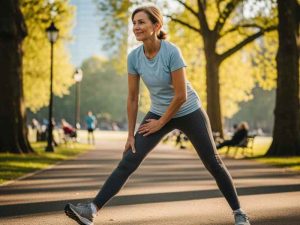
It’s easier to stick when you can fit a simple routine into your everyday schedule.
Select something fun to do: Choose walking, cycling, dancing, swimming, or something else you enjoy.
Start at a comfortable level: If you’ve been inactive, start with short periods of gentle movement.
Take it slow: Build up over time (duration, intensity), rather than sudden change.
Allow time for recovery: Take the time to rest when you need to and let your body recover from hard workouts.
Drink plenty of water: Drink plenty of water, especially in hot or humid weather.
Stay flexible: You can break activity into shorter sessions, and change your schedule when needed.
Read more article- Walking With Weights: How to Begin, Benefits & Tips
How much aerobic exercise do you require?
The activities you are suggested are related to your age. CDC recommends that adults get at least 150 minutes of moderate-intensity aerobic activity a week, or 75 minutes a week of vigorous-intensity activity, or an equivalent combination of the two. Adults should do muscle-strengthening activities at least 2 days a week.
Children and teenagers have different recommendations. According to US guidelines, children aged 6–17 years should engage in at least 60 minutes of moderate-to-vigorous physical activity daily, and activities that strengthen muscles and bones at least 3 days a week.
These are broad public health recommendations, not a mandate to begin at full target right away. Choose a level that works for you and build on it.
Safety tips before workout
Follow a few easy steps to keep your routine safe and comfortable.
Start slow and get moving before you try something a little more challenging.
Good shoes are important and need to be comfortable.
Select a safe environment for walking, cycling and sports.
Take a break if you need to, drink some water.
Stop exercising and get medical attention if you feel faint or experience unusual or severe shortness of breath or chest pain.
If you have a medical condition or injury, or are concerned about what activities are right for you, seek the advice of a health care professional.
You should feel good when you exercise—not like you’re struggling through pain or fatigue.
Frequently Asked Questions
The Best Aerobic Exercise for Beginners.
Brisk walking is a good place to start for many people as it requires little equipment and can be adapted to different levels of fitness. Other options include dancing and gentle cycling and swimming.
Should I work out daily?
Your age, health and fitness and the intensity of your activities determine the need for activity. Exercise is good for you, but if you’re doing high-intensity workouts, make sure you get enough recovery.
What equipment do I need for aerobic exercise?
No. For example, walking and dancing require little or no equipment. All you need to begin is comfortable clothes, suitable shoes when necessary and a safe environment.
Overview
Aerobic exercise is good for your heart, boosts endurance, leads to better sleep and improves overall well-being. There are many ways to stay active such as walking, cycling, swimming, dancing and recreational sports.
Pick a sport you enjoy and start playing at a comfortable level, gradually building your workout over time. With proper recovery and safety awareness, practiced consistently, physical activity can be a rewarding part of your daily lifestyle.



One thought on “Aerobic Exercise: Benefits, Types, And Tips For Beginners”
Comments are closed.