
Acne OTC Treatments: 4 Options That May Help
What are OTC acne products?
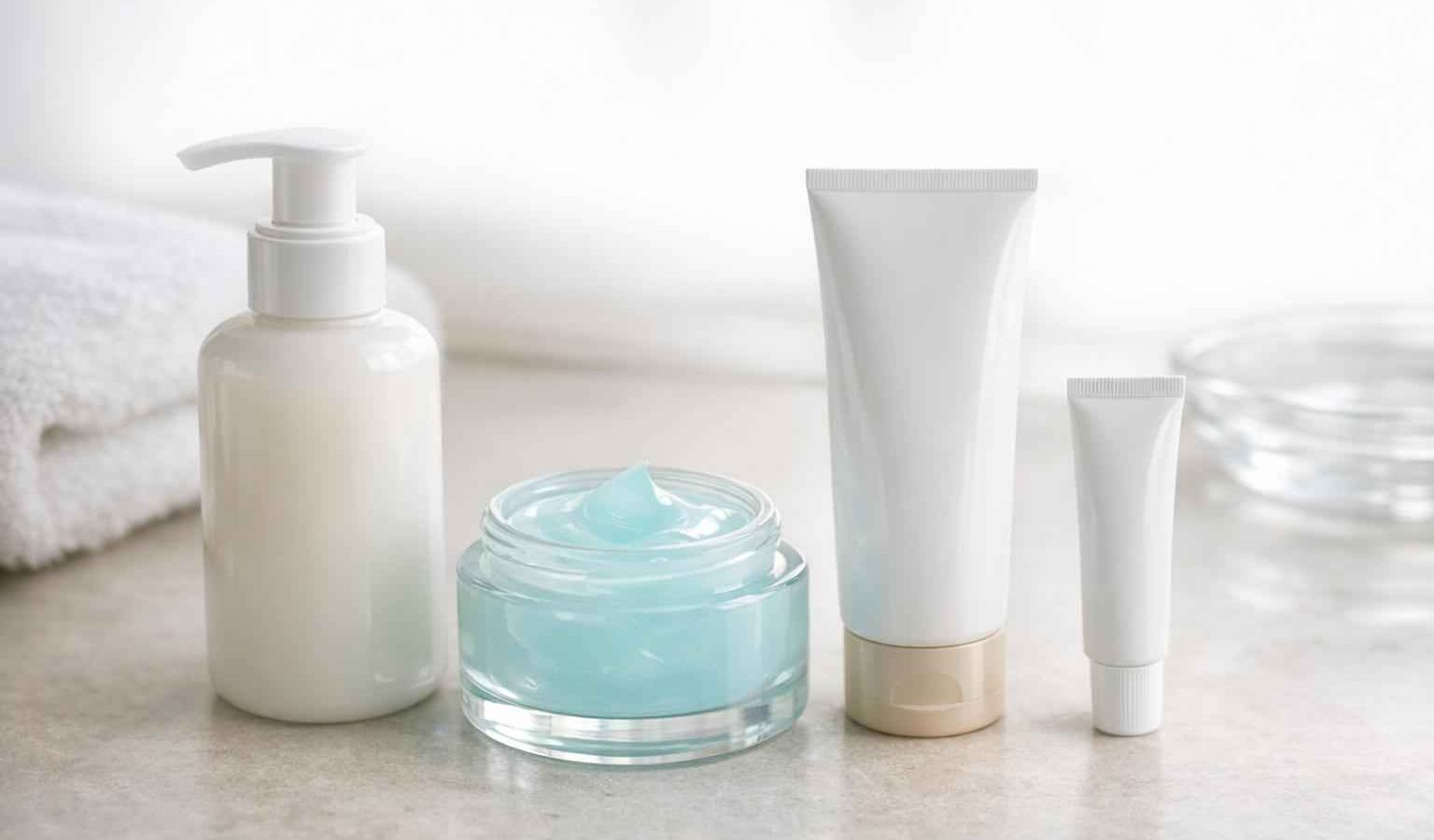
Acne OTC treatments are medications available over the counter that help treat mild acne without a prescription. They come in a variety of forms such as cleansers, creams, gels and lotions.
These products contain active ingredients that target the most common acne concerns, including clogged pores, inflammation and acne-causing bacteria. The right treatment for you depends on your skin type, the type of acne you have and the sensitivity of your skin.
OTC products may work for mild breakouts, but they don’t work for everyone. Consistent use, along with a gentle skin care routine, can help enhance results.
4 Best Over The Counter Acne OTC Treatments
Over-the-counter acne products contain many active ingredients. Knowing what each offers can help you make smarter choices regarding your skincare, because each works differently.
Peroxide of benzoyl

benzoyl-peroxide-acne-treatment
Benzoyl peroxide kills the bacteria that cause acne and can improve the appearance of inflamed pimples. You can find it in facial washes, gels and creams.
When first introduced dryness, redness or irritation can be caused. It can bleach towels, clothes and pillow cases.
Follow product directions and ask a pharmacist what formulation is right for your skin.
Salicylic Acid (SA)
salicylic-acid-acne-treatment
Salicylic acid helps to clear out clogged pores and break down dead skin cells. Also found in cleansers and products for blackheads, whiteheads and mild breakouts.
It may cause irritation to sensitive or dry skin if used in excess. Be gentle and don’t pile on the exfoliating products until you know how your skin will react.
Adapalen
Adapalene is a topical retinoid which works to unclog pores and prevent new acne lesions from forming. Some strengths are available over the counter in some countries and will depend on your location.
It can cause dryness, peeling and irritation, especially during the first few weeks of use. Read the product label and ask a healthcare professional if you are unsure if the product is right for you.
If you are pregnant or trying to become pregnant do not use topical retinoids unless directed by a qualified healthcare professional.
Azelaic Acid
Azelaic acid: Clears clogged pores, reduces inflammation. It can also help improve the appearance of dark marks left behind after acne clears up.
It may be available without a prescription, depending on the country and strength of the product. A pharmacist or dermatologist can help you decide whether a particular product is suitable for you.
For more information, read our article on–Best Skincare Oily Skin Skincare Routine
How to Choose the Best OTC Acne Treatment
Not all acne products are for all skin types. Before you decide on a treatment, figure out what your main problem is.
Look at Your Skin Problems
Blackheads and whiteheads: Salicylic acid helps unclog the pores.
Inflamed pimples: Acne-causing bacteria can be reduced by using benzoyl peroxide.
Recurrent clogged pores: Where applicable and appropriate, adapalene can be used to prevent new acne lesions.
Azelaic acid: Dark acne marks Azelaic acid is good at dealing with pigmentation irregularities.
This is a list of general options, not a diagnosis. If you are unsure which ingredient to choose,
ask a pharmacist or dermatologist for advice.
Introducing Products Slowly
- Several active ingredients may irritate your skin at the same time.
- Start with a treatment, follow the instructions, and see how your skin reacts.
- Gentle cleanser and noncomedogenic moisturizer.
- Apply a broad-spectrum sunscreen with an SPF of 30 or higher during the day.
Common Mistakes to Avoid
Acne Products Mistakes to Avoid:
- Rubbing your skin hard.
- Picking or squeezing of pimples.
- More than the recommended.
- Using too many harsh acne medications at once.
- You have oily skin so you skip the lotion.
Many acne medications take several weeks to work. If irritation occurs, follow product directions and consult a pharmacist or other health care professional.
For more information, read our article on–Hormonal Acne
When should you see a dermatologist?
If your acne is severe, painful or widespread, you might need more than over-the-counter products. If your acne is leaving scars, getting worse, or not improving with a consistent treatment, you should see a dermatologist.
If you find that the breakouts are persistent, or are affecting your confidence and quality of life, it may be helpful to seek professional advice.
FAQ FREQUENTLY ASKED QUESTIONS
Best over-the-counter acne medicine?
Acne is usually treated with benzoyl peroxide, salicylic acid or adapalene. What works best for you will depend on your skin concerns, sensitivity and what’s available in your area.
How long does it take for over-the-counter acne treatments to work?
Some people see improvements in a few weeks but it may take 8-12 weeks or longer before you see significant results. Results will vary depending on ingredient and severity of acne.
Can I use acne medicine every day?
Some products are for daily use, others may need less frequent use initially. Always read and follow the label directions of the product and see a professional if you develop an irritation.
Can I Use Moisturizer With Acne Products?
Yes. A good non-comedogenic moisturizer will help keep you hydrated and will minimize the dryness that some acne treatments can cause.
Final Thoughts
The right Acne OTC Treatments can help manage mild flare-ups and maintain an ongoing skincare routine. Find out about the active ingredients and how they work, add new products gradually and steer clear of any harsh routines that could irritate your skin.
See a qualified dermatologist for individual advice about treatment if your acne is persistent, painful or scarring.




2 thoughts on “Acne OTC Treatments: 4 Options That May Help”
Comments are closed.