

Why You Should Wear Sunscreen daily Benefits for Healthy Skin
The Importance of Daily Sunscreen
Sunscreen is an essential part of any basic skin care routine, helping to protect the skin from ultraviolet (UV) radiation. UV exposure can be experienced on a daily basis while walking outdoors, travelling, playing sports or sitting next to a window.
Daily sunscreen use: May reduce exposure to damaging Ultraviolet (UV) rays, and may help protect against sunburn and other kinds of sun damage. Regular sun protection is particularly helpful if you spend a lot of time outdoors or are exposed to strong sunlight.
Sunscreen isn’t a cure-all for every skin issue, but consistently applying a layer of sun protection is a key part of maintaining healthy skin over time.”
What Is Sunscreen?
Sunscreen is a topical product used to protect the skin from UV radiation. Depending on the formulation, sunscreen can contain ingredients that absorb, reflect or scatter UV radiation.
There are two main types of UV radiation that reaches the surface of the Earth . They are UVA and UVB .
UVA Rays UVA Rays

UVA rays penetrate more deeply into the skin and are associated with long-term skin changes, including premature skin ageing.
UVB rays
UVB rays are one of the main causes of sunburn and skin damage.
Broad spectrum sunscreens are designed to protect against both UVA and UVB rays.
For more information, read our article on-Masks and face for healthy skin
7 Reasons You Need To Wear Sunscreen Everyday
Protects Against Sunburn

sunscreen-sunburn-protection

Sunburn is one of the most common effects of too much sun. It may cause redness, discomfort, warmth and peeling.
Following the directions on how to apply sunscreen can help reduce UV exposure and the chances of sunburn. But it should not be an excuse for long sun exposure.
For best protection use a broad spectrum sunscreen with shade, protective clothing and other sun protection measures.
Aids in Reduction of Long Term Sun Damage
Repeated exposure to UV radiation can cause cumulative skin damage.
Even if you don’t get an obvious sunburn, regular UV exposure can take a toll on the skin over time. That’s why daily sunscreen use can be helpful for a good skin-protection routine.
If you spend a lot of time outdoors extra protection such as a hat, sunglasses and shade can be helpful.
Helps to Prevent Premature Ageing of Skin
Long term exposure to UV can result in visible signs of premature skin ageing such as fine lines, wrinkles, uneven pigmentation and changes in skin texture.
Daily sun protection may help to reduce extraneous UV exposure. Therefore, sunscreen is a preventative measure, not a cure for signs of ageing that are already present.
Preventing sun-induced skin changes is easier than treating skin effects later on, such as applying sunscreen.
Assists in Balancing Skin Tone
Some may develop uneven skin tone and increased pigmentation with sun exposure.
Those prone to dark spots or pigmentation can especially benefit from consistent sun protection. Some pigment problems may become more obvious or last longer after exposure to UV.
Sunscreen alone will not correct pigmentation, and needs to be combined with appropriate skin care.
For more information, read our article on-Skin Protection
Promotes All Skin Protection
Your skin is constantly exposed to the elements of the environment. Sunlight is one of the main sources of UV radiation in everyday life.
Sunscreen is an additional layer of protection when used with other healthy habits.
A simple daytime routine might include:
- Mild cleansing
- Hydration
- SPF broad spectrum
- Protective clothing (where appropriate)
- Seeking shade in the bright sunlight
6. Protects Skin While Pursuing Outdoor Adventures
You can enjoy outdoor activities such as walking, cycling, sports, hiking and travelling and spend more time in the sun.
Sweating, swimming and extended outdoor activity can also decrease the effectiveness of sunscreen. In such cases, follow the instructions on the product and reapply as directed.
Don’t forget that sunscreen is only a piece of sun protection. Clothing and shade may provide more protection.
7. Promotes a Consistent Skin-Care Regimen
For healthy skin care, simple and consistent is often more effective.
Incorporating sunscreen into your morning routine can help make sun protection a habit. If you think of sunscreen as a part of your everyday skin care — not just for vacation or super sunny days — you may keep more consistent protection.
For more information, read our article on-Best Skincare Routine for Dry Skin
Choosing the right sunscreen
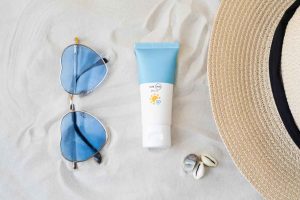
With so many sunscreen products on the market, it can be confusing to pick one. Some simple features can make the choice easier.
Opt for Broad-Spectrum Coverage
Pick a sunscreen that says broad spectrum. This means that the product is designed to protect against UVA and UVB radiation.
Think SPF 30 and higher
Many dermatological and public-health recommendations for daily use suggest the use of a broad-spectrum sunscreen with SPF 30 or more.
You cannot stay in the sun longer with a higher SPF. Other protection measures and reapplication still matter.
Select a Formula You Can Apply Consistently
Use sunscreen regularly, and it will be more useful.
You can choose a cream, lotion, gel, stick or other formulation depending on your preference. Some people with oily skin, dry skin, or sensitive skin may prefer different textures.
If a particular product irritates you, stop using it and ask your healthcare provider about appropriate alternatives.
Applying Sunscreen The Right Way

Selecting the right product is just as important as using it correctly.
Apply before sun exposure
Apply sunscreen as directed on the label before heading outdoors. Give it enough time to create an even protective layer as indicated on the label.
For more information, read our article on-Best Skincare Oily Skin Skincare Routine
Protect Surfaces Exposed
Use sunscreen on exposed areas such as the face, neck, ears, arms and any other uncovered skin.
Don’t forget to get into the hard-to-reach spots.
Reapply When Needed
Sunscreen can be rubbed off by sweat, swimming, towel drying, or just normal activity.
Follow product instructions for repeat applications. If you’re swimming or sweating profusely, get a water resistant product and reapply as directed.
Do I Need Sunscreen on Cloudy Days?

Yes, UV radiation can reach the skin even on cloudy days. Clouds will block some sunlight, but they won’t block UV light completely.
So even on a cloudy day, sun protection can still be a factor when you’re outdoors.
But that depends on your environment, your exposure, your clothing, the season, and how much time you spend outside.
Do You Need Sunscreen When You’re Indoors?
Do you need sunscreen indoors? It is contingent upon your situation.
If you spend most of the day inside and don’t get much direct sunlight, your sun-protection needs may be different from someone who spends several hours outside
Individuals who regularly sit near sunny windows or who spend significant time transitioning between indoor and outdoor environments may wish to consider sun-protection practices commensurate with their exposure.
The conclusion is that sunscreen isn’t a substitute for other sun-safety measures.
For more information, read our article on-Rid of Back Breakouts
Sunscreen mistakes you must avoid
Even people who wear sunscreen can mess up.
Using Not Enough
If you don’t use enough sunscreen, you’ll actually get less protection.
Omitting Certain Areas
Sometimes the ears, neck, hands, and other exposed areas are forgotten.
No Reapplication
Sunscreen can wear off during the day, especially when swimming, sweating and towel drying.
Sunscreen alone
Sunscreen works best when used as part of a comprehensive sun-protection plan. You can also get extra protection from shade, clothing, hats and by avoiding intense midday sun when you can.
Using Expired Products
Check the expiration date and storage instructions of your sunscreen. If the product has changed significantly in appearance or texture then follow the manufacturer’s guidance on whether it should still be used.
Simple Morning Skin-Care Routine and Daily Sunscreen

A practical morning routine doesn’t have to include a lot of products.
Step 1: Cleanse with care
If needed, use a gentle cleanser depending on your skin type and routine.
Step 2: Hydrate
If your skin needs more hydration, apply a moisturiser.
Step 3: Put on Sunscreen
Finish your daytime routine with a broad-spectrum sunscreen appropriate to your skin and expected sun exposure.
This easy routine can help make daily sunscreen a part of your skin-care habits for the long haul.
Can Sunscreen Substitute Other Sun Protection?
No. Sunscreen is just one aspect of sun protection.
When possible, pair sunscreen with:
- Staying in shade
- Using protective clothing
- A wide-brimmed hat
- UV-proof sunglasses
- Avoid long exposure during intense sunlight
- Organising outdoor activities right
Together, these habits can help reduce UV exposure.
When to talk to a doctor
Sunscreen can be used by most people as part of regular skin care. But talk to a healthcare professional if you have persistent skin irritation, a severe reaction to a sunscreen product, or a new or changing skin lesion.
You should also see your doctor if you are concerned about unusual spots, moles, persistent sores or other skin changes.
A healthcare professional can decide if a change in skin should be investigated further.
FAQ:
Do I need to wear sunscreen daily?
Applying sunscreen everyday is beneficial when you are outdoors, especially in the sun. Sun protection, used consistently, can help decrease your exposure to UV rays and protect you from sunburn and long-term skin damage from the sun.
What SPF do I need to use every day?
Most dermatologists recommend using a broad-spectrum sunscreen with an SPF of at least 30 every day to protect yourself from the sun. Follow the product directions and use extra protective measures when appropriate.
Can I skip sunscreen on a cloudy day?
Even on cloudy days, UV radiation can reach your skin. If you’ll be outside, sun protection may still be appropriate.
Does sunscreen protect against skin ageing?
Sunscreen can help limit your exposure to UV, a major cause of premature skin ageing. It cannot however stop the natural ageing process altogether.
Can sunscreen fade dark spots?
Sunscreen cannot remove dark spots directly. However, decreasing UV exposure can help prevent pigmentation from the sun becoming worse. Any persistent pigmentation should be discussed with a qualified healthcare professional.
How often should you reapply sunscreen?
Reapply sunscreen as directed on the product’s label. Reapplication is especially important after swimming, sweating or towelling off.
Can teens use sunscreen?
Yes. Sunscreen can be part of good sun-protection habits for teens. Select a product according to the individual’s skin and follow the label instructions.
Conclusion
Regular daily use of sunscreen can be an important part of protecting your skin from UV radiation. Regular use of sun protection may help reduce sunburn, cumulative UV damage, premature ageing of the skin, and some sun-related pigmentation changes.
To protect yourself well, select a broad-spectrum sunscreen with the right SPF, apply it properly, and reapply as directed. Remember, sunscreen is most effective when used with shade, protective clothing, hats, and other sun-safety practices.
A simple and consistent approach is usually easier to maintain than a complicated skin care routine. Incorporating sun protection into your daily routine is a practical way to help you maintain healthy, protected skin.