

Cholesterol Medication Dose: What You Need to Know
Dose of Cholesterol : The Things You Need to Know
Too much cholesterol increases your risk of heart disease and stroke. Knowing your cholesterol medication dose can help you have better conversations with your health care professional. But there is not one dose. The correct treatment depends on the results of the cholesterol test, your overall risk of heart disease, your age, other health problems and the medicines you take.
This guide covers how to select a cholesterol treatment, why it is crucial to keep an eye on it, and what lifestyle habits can contribute to better heart health.
What Is the Right Cholesterol Dosage?
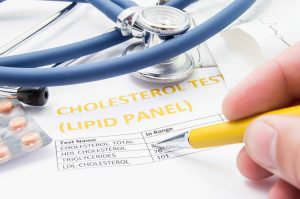
How much cholesterol medicine is right for you depends on you and the medicine. Healthcare professionals consider levels of LDL cholesterol (often known as “bad” cholesterol), HDL cholesterol, triglycerides and risk of heart disease when making treatment recommendations.
Someone with existing heart disease or a particularly high LDL may need a different treatment approach than someone with a lower risk. Your doctor may also consider past side effects from medications and potential interactions.
Important: Do not start, change the dose of, or stop a cholesterol medication without first talking to a qualified healthcare professional.
Medications to lower cholesterol
There are lots of medications that can help control high cholesterol levels. Each works a little differently and the best one for you depends on your individual needs.
Statins
Statins are common drugs for lowering cholesterol. They lower LDL cholesterol and reduce the amount of cholesterol produced by the liver. They also can reduce the risk of heart attack and stroke in appropriate patients.
The type of statin and the dose will depend on the amount of LDL reduction needed, the patient’s medical history and tolerance. Those whose cholesterol level stays above the recommended level will require further treatment.
Ezetimibe and Other Agents
Ezetimibe works by blocking the absorption of cholesterol in the intestine. Other options include PCSK9 inhibitors and certain other medicines for others who need more cholesterol lowering or cannot tolerate some treatments.
These are not interchangeable drugs and each have their own benefits, risks and prescribing requirements. What treatment is appropriate will be known by your healthcare professional.
For more information, read our article on-Keto Strawberry Nutrition Facts Benefits & Net Carbs
What Determines the Amount of Cholesterol Medicine?
There are many factors that influence the decision about treatment.
Cholesterol Test Result
The results of your LDL, HDL, total cholesterol and triglycerides help to determine the treatment strategy. The goal is to reduce cardiovascular risk, not simply to obtain a number in a vacuum.
Age & Past Medical History
Some factors that can affect treatment choices are age, diabetes, high blood pressure, kidney or liver problems, history of heart attack or stroke.
Adverse Effects and Drug Interactions
Some cholesterol drugs interact with other medications. Tell your doctor and pharmacist about all the prescription and non-prescription (over-the-counter) products you use, including vitamins and supplements. Report any unexplained muscle pain, weakness or other unusual symptoms right away.
How to Use Cholesterol Medicine Safely

Bring your prescription label and directions for using it from your health care professional. Some medicines need to be taken at different times and with food.
Use these precautions:
- Use as directed on container.
- Do not take a double dose or change your schedule without proper advice.
- If you miss a dose, consult your pharmacist for guidance.
- Talk about side effects before you stop treatment.
- Attend any follow up appointments and blood tests as recommended.
Your clinician may go over your cholesterol results and how you are doing on treatment when you start or change a medication. It is contingent upon the medicine and your situation.
Lifestyle Habits That Help Maintain Healthy Cholesterol

Cholesterol control is more than medication. What we eat, how much we exercise, our sleep and stress levels affect the health of our cardiovascular system.
Selection of Heart-Healthy Foods
Eat more vegetables, fruits, beans, lentils, whole grains, nuts and other fiber-rich foods. Replace foods high in saturated fat with sources of unsaturated fat e.g. olive oil, nuts, seeds and fish where available.
Keep on Moving
Regular physical activity is also good for your heart and can improve your cholesterol patterns. Pick activities that are right for your age, abilities and health, and build up consistency slowly.
Don’t smoke and keep a regular sleeping routine.
Good for the overall health of your heart is avoiding tobacco and keeping a regular sleep pattern. If you do smoke, ask a health professional to help you quit.
These habits support prescribed treatment, but should not replace medication when medically needed.
For more information, read our article on-Lemon Ginger Apple Cider Vinegar Drink: Benefits & Safety
When to see a healthcare professional
If you have high cholesterol, possible side effects from your medication or questions about your prescription, arrange a medical review. If you have severe symptoms or your symptoms get worse, call your doctor right away.
If you have a family history of early heart disease or very high cholesterol, you may require further testing for inherited cholesterol disorders.
FAQs
What is the best dose of cholesterol?
There is no “single best” dose. The right treatment depends on the medicine, results, cardiovascular risk, other health conditions, and side effects.
How can I lower cholesterol without medication?
Some people can manage cholesterol levels with diet, exercise and other lifestyle changes . Others need medication because of their cholesterol levels or their overall risk of cardiovascular disease. See a doctor and discuss your options.
“Do you need to take cholesterol medication daily?
Many cholesterol medicines are prescribed daily, but instructions vary with the medicine. Follow your prescription, don’t change the schedule yourself.
How long does it take cholesterol medication to work?
How a person reacts depends on the drug and the person. Your health care professional can tell you when to have your cholesterol retested and evaluated to determine if your treatment is working.
If I start to get better results, can I stop the cholesterol medication?
Do not stop the treatment on your own. Better results could signal the medicine is working and your clinician can help you decide if any change in treatment is needed.
Summary
The right dose for cholesterol treatment is tailored to the individual. Understanding your test results, following your prescription, attending follow-up appointments, and maintaining heart-healthy habits can help you better manage cholesterol.
For reliable advice, talk to your healthcare professional and consult reputable medical sources instead of choosing a dose of medication based on advice on the internet.