
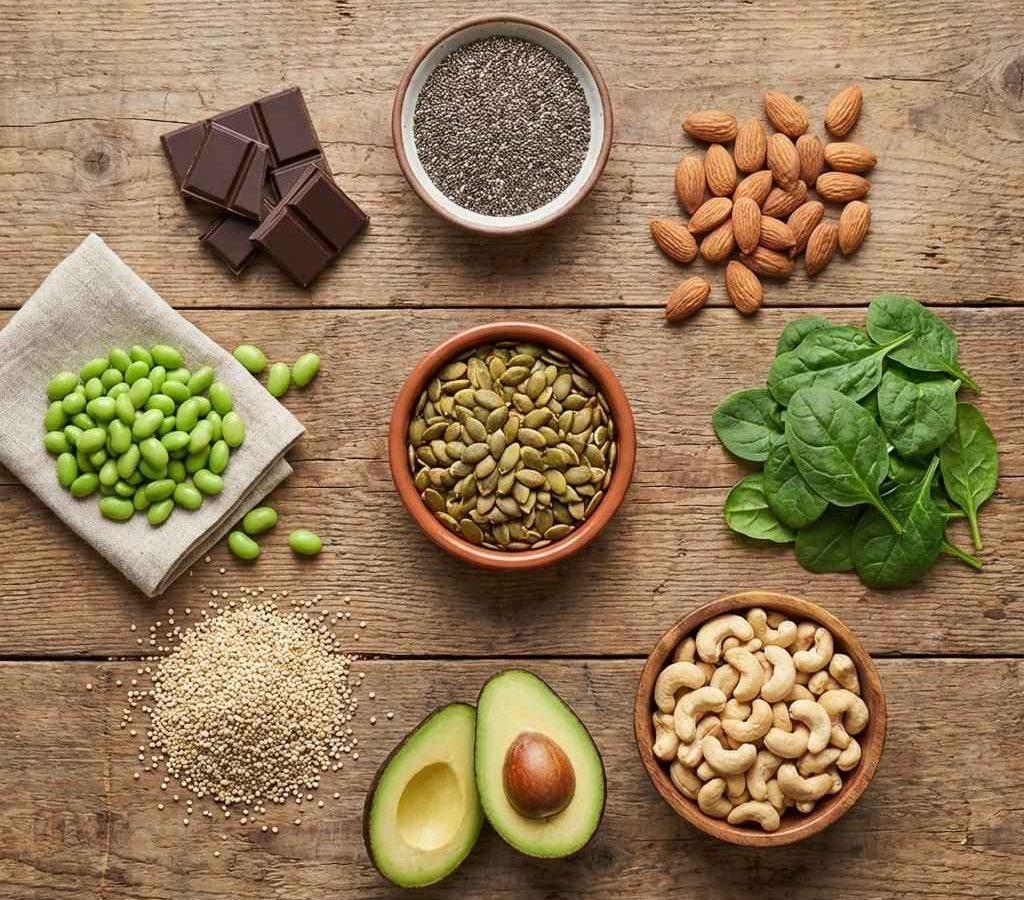
5 Foods That Contain More Magnesium Than Pumpkin Seeds
Introduction,
Pumpkin seeds are one of the best sources of magnesium. Nutritious, simple and a convenient addition to muesli, salads, yoghurt and smoothies. But they are not the only foods that offer a good amount of this vital mineral.
Even a few common foods, depending on the portion and the food, may have more magnesium than pumpkin seeds.
Magnesium is involved in hundreds of processes in the body. It helps to maintain healthy bones, contributes to normal muscle and nerve function, contributes to energy production and is involved in normal blood glucose and blood pressure regulation.
If you’re looking to increase your magnesium intake, it’s more helpful to add a range of foods to your diet rather than just relying on pumpkin seeds.
Pumpkin seeds are a great source of magnesium, but there are other foods that contain more of this important mineral per typical serving size.
Why Magnesium is Important?
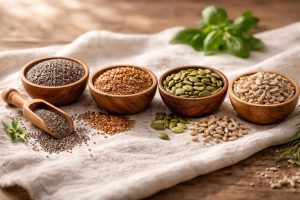
Magnesium is an essential mineral. This means that your body needs it, but it cannot make it on its own.
It is involved in many important functions such as:
- Normal contraction and relaxation of muscle
- Normal Nerve Function
- Metabolism of energy
- Protein synthesis
- Bone health
- Normal heart beat
- Regulation of blood glucose
- Electrolyte equilibrium
Magnesium is naturally present in many nutrient-rich foods, including vegetables, legumes, nuts, seeds, whole grains, and more.
For more information, read our article on-Vitamin C-Rich Foods
How Much Magnesium Should You Have?
Magnesium needs differ according to age and gender.
The recommended dietary allowance is about 400–420 mg per day for adult men and about 310–320 mg per day for adult women. The recommended amount may be increased by pregnancy.
Your personal needs will vary, so consider your overall diet and health when planning your magnesium intake.
5 Foods That Have More Magnesium Than Pumpkin Seeds
Remember, how much magnesium you get from foods depends on how much food you eat. Pumpkin seeds are already a great source of magnesium, so the idea is not to substitute them fully.
They can also be added to a magnesium-rich diet for variety.
Seeds of flax
Chia seeds are small but packed with nutrients. They provide fibre, protein, calcium, and healthy fats as well as magnesium.
Chia seeds are a good source of magnesium when eaten in a typical serving and are an easy way to increase this mineral in your diet.
How To Prepare Chia Seeds
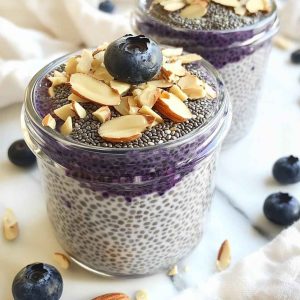
re an easy addition to your daily diet.
Try adding them to:
- Muesli –
- Yoghurt
- Shake
- Energy bites, homemade
- Overnight O’s
- Chia pudding
- Wholegrain cereal
Chia seeds also absorb liquid and swell, which is why they are often soaked before consumption in recipes like chia pudding.
Other advantages of chia seeds
Chia seeds are especially rich in dietary fibre. Fibre helps your digestion and can help you feel full.
They’re also a source of plant-based omega-3 fatty acids known as alpha-linolenic acid (ALA).
Brazil nut

brazil-nuts-and-almonds
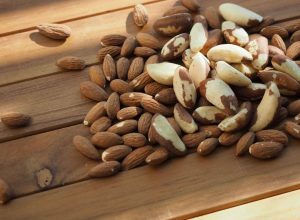
Another food that contains magnesium and that can be included in a well-rounded diet is Brazil nuts.
They are also very famous with their selenium content. Selenium, an essential trace mineral, contributes to maintaining normal thyroid function and antioxidant defences.
Brazil nuts however are very high in selenium so you don’t need to eat large amounts and too much selenium can be harmful.
How to Eat Brazil Nuts
It can be eaten as a snack, or combined with other foods for a little serving.
Try:
- Chopping them over oatmeals
- Putting them in yoghurt
- Combine them with other nuts
- Chopping them up for salads
- Eating a small amount
Nuts are high in calories so watch your portion size.
For more information, read our article on-best Breakfast Food
Almonds
Almonds. Almonds are one of the most convenient foods to increase magnesium.
They provide protein as well as fibre, vitamin E and unsaturated fats and magnesium.
A small handful is a convenient snack or sliced almonds can add crunch to many meals.
How to Eat Almonds Easily
You can add almonds to:
- Muesli 2
- Yoghurt, Greek
- Smoothie bowls
- Salad
- Whole-grain cereals
- DIY trail mix
If you need to cut down on sodium, choose unsalted almonds when possible.
Peanut Butter
Magnesium is also found in food in the form of almond butter.
Spread a small amount on whole grain toast or add to muesli or a smoothie.
Select products with simple ingredients and little or no added sugar.
4. Spinach and Other Green Leafy Vegetables
Another good way to boost your magnesium intake is to eat leafy green vegetables.
Spinach is especially notable because it offers magnesium with folate, vitamin K, vitamin A precursors, iron, and other healthful plant compounds.
Leafy greens are a low-calorie food that provides a wide range of nutrients, unlike nuts and seeds.
How to get more spinach in
You can boost your intake by:
- Adding spinach to omelettes
- Stir it into soups
- Add to curries etc
- Salads with it.
- Adding it to smoothies
- Sautéing it with a bit of oil and garlic
Other leafy greens, such as Swiss chard and certain dark green vegetables, also provide magnesium to your diet.
5. Dark Chocolate
Dark chocolate with a high cocoa content can be a good source of magnesium.
Cocoa is rich in magnesium and plant compounds called flavanols.
Chocolate, however, depending on the product, may also have added sugar and a lot of calories. “For that reason, portion size is important.”
Dark Chocolate Selection
When selecting dark chocolate:
- Choose a higher cocoa percentage.
- Watch out for added sugars.
- Serve in moderation.
- Don’t use chocolate as your main source of magnesium.
A small amount can be part of a well-rounded diet.
Pumpkin Seeds Are Still a Great Source of Magnesium
Magnesium is in several foods, but pumpkin seeds are not a poor source.
Pumpkin seeds are a good source of magnesium, as well as protein, healthy fats, zinc, iron and other nutrients.
You may also continue eating pumpkin seeds and eat other magnesium-rich foods at your meals.
Variety is the best approach.
Instead of asking which one food is the “best” source, think about how different foods can combine to provide the nutrients your body needs.
For more information, read our article on-Cobalamin Deficiency Causes, Symptoms & Remedies
More Magnesium-Rich Foods to Try
And there are plenty of other foods beyond these five.
Other foods that may provide magnesium are:
- Beans, black
- Red kidney beans
- Chick Peas /
- Lentile
- Tofu
- WHOLE GRAIN
- Oat
- Rice, brown
- Avocado
- Cashew nut
- Peanuts
- Flax seeds
- Sesame Seed
- Certain fatty fish
Incorporating some of these foods into your regular meals can help you get your magnesium needs more easily.
How to Make a Meal High in Magnesium
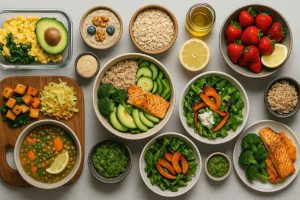
You don’t need to overhaul your diet to get more magnesium.
Make small substitutions and additions instead.
Breakfasts
Muesli with chia seeds, almonds and fresh fruit on top.
Lunch
Make a spinach salad with chickpeas, avocado, vegetables and a whole-grain base.
Snack
Take a few unsalted almonds or any other kind of nuts.
Dinner
Add beans, lentils, tofu or whole grains to the vegetables and protein.
For more information, read our article on-Best High Protein Foods To Eat Slug
FAQ’s (Frequently Asked Questions)
What are foods with more magnesium than pumpkin seeds?
Foods like chia seeds, some nuts, leafy greens, legumes, and dark chocolate are good sources of magnesium. The precise comparison depends on the portion size and the nutritional make-up of each food.
Is pumpkin seed the best source of magnesium?
Pumpkin seeds are a good source of magnesium, but they’re not the only magnesium-rich food. Magnesium can be obtained from a varied diet including seeds, nuts, beans, leafy greens, and whole grains.
Which fruit contains a lot of magnesium?
Avocado is one of the fruits that provide a good amount of magnesium. Other fruits tend to have smaller amounts, but they will still add to the total nutrients you eat.
Can I get enough magnesium in food?
A well-rounded diet rich in vegetables, legumes, nuts, seeds and whole grains will provide many people with sufficient magnesium. But people aren’t all the same.
Are almonds high in magnesium?
Yeah. Almonds contain good amounts of magnesium, fibre, vitamin E, protein and unsaturated fats and are a healthy addition to a well-rounded diet.
Does spinach have magnesium?
Yes. Spinach is rich in magnesium, and also contains a variety of other nutrients including folate, vitamin K and vitamin A precursors.
Is magnesium in dark chocolate?
Dark chocolate with a high cocoa content is a good source of magnesium. But it also can contain added sugar and calories, so small portions are appropriate.
Do I need to take magnesium supplements?
You don’t need a magnesium supplement. If you’re getting enough magnesium in your diet, you may not need to supplement. Before you begin taking a supplement, speak with your healthcare provider—particularly if you have a medical condition or are on medication.
Summary
Pumpkin seeds may have the reputation as a magnesium-rich food, but they aren’t your only choice. You can get good levels of magnesium from foods like chia seeds, Brazil nuts, almonds, spinach and dark chocolate.
The best way is not to look for one perfect food. Instead, make meals from a wide range of nutrient-dense foods like nuts, seeds, legumes, leafy greens, whole grains and vegetables.
Some of these foods are included regularly as a natural part of a balanced eating pattern for magnesium.




One thought on “5 Foods That Contain More Magnesium Than Pumpkin Seeds”
Comments are closed.