
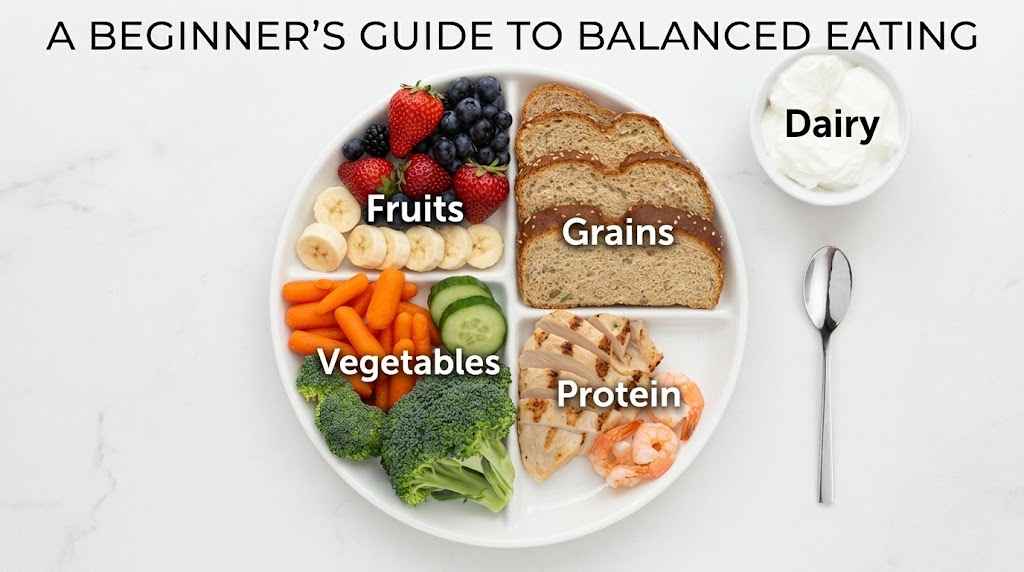
MyPlate Guide-Construct a Healthy Balanced
MyPlate Guide to Building a Healthy Well Balanced Meal
Healthy eating doesn’t have to be complicated. Eating a variety of foods, eating right, can help improve your health and well-being. MyPlate is a simple tool to help you learn to eat balanced meals and make healthier choices.
The U.S. Department of Agriculture (USDA) designed MyPlate to visually show what healthy eating looks like. It encourages people to eat fruits, vegetables, grains, protein foods and dairy or fortified alternatives on a daily basis.
Getting to know MyPlate can help you make better choices for your nutrition or build balanced meals for eating better.
What Is MyPlate?
MyPlate is a nutrition guide to make healthy eating easy. It has a picture of a plate and shows how to combine foods from different food groups.
The plate is divided into sections for fruits, vegetables, grains, and protein foods. There is also a dairy group on the plate.
MyPlate encourages variety, balance and moderation, not complicated food rules.
The Five Food Groups: MyPlate
To use the MyPlate nutrition guide you need to know the five food groups.
Fruit.

myplate-fruits-food-group
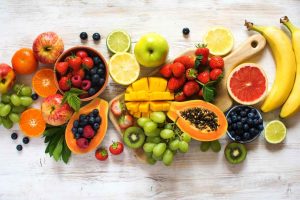
Fruits are full of vitamins, minerals, fiber and antioxidants. Different fruits help you digest and make you healthier in general.
Good choices for nutrition are:
- Oranges & Apples.
- Berry and banana
- Papaya and Mango
- Grapes, water melon.
Whole fruit is higher in fiber than juice, so select whole fruit more often.
For more information, read our article on-Right Way to Eat Fruits and Their Benefits
Greens

myplate-vegetables-food-group
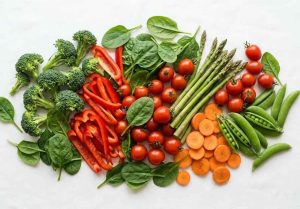
Vegetables are important sources of vitamins, minerals and dietary fiber. They also add variety and color to your foods.
Try mixing in different types of veggies such as:
- Spinach and other leafy green vegetables
- Cauliflower, broccoli
- Carrots & yams
- Bell Peppers and Tomatoes
The variety of colorful vegetables you eat will provide different nutrients.
For more information, read our article on-supplemental vitamins for vegetarians
Cereals

myplate-whole-grains-food-group
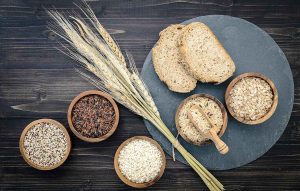
Grains provide carbohydrate , which is an important source of energy. At least half of your grains should be whole grains.
Good options are:
- Brown rice –
- Brown Bread Meal.
- Oats
- Quinoa (pronounced KEEN-wah)
- Spaghetti, 100% whole wheat.
Whole grains are higher in fiber and nutrients than refined grains.
For more information, read our article on-Quinoa vs Rice: Which One is Better for Your Health
Protein goods
healthy-protein-foods
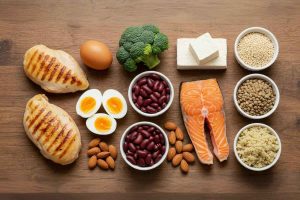
Protein is also used to build and maintain muscle .
Protein is a part of many important functions of the body .
Foods high in protein include:
- Fish & Egg
- Chicken, lean meat
- Lentils and Bean
- Nuts, seeds
- Tofu and other soybean products
Try to mix up your protein sources during the week.
For more information, read our article on-Best High Protein Foods To Eat Slug: best-high-protein-foods
Milk and fortified substitutes
Dairy products are rich in calcium and protein and other nutrients that promote healthy bones.
For example:
- natural yogurt with milk
- Cheese .
- Fortified
- soyabean milk
If you are avoiding dairy, make sure to eat fortified foods with calcium and vitamin D.
Build a Healthy Plate with MyPlate
You don’t need fancy ingredients or complicated recipes to follow MyPlate.
Here are some basic suggestions for balanced meals:
- Fill half your plate with fruits and vegetables.
- Make at least half of your grain servings whole grains.
- Add a good source of protein.
- Include dairy or appropriate fortified alternative.
- Swap out the sugary drinks for water.
For example, a healthy lunch may consist of brown rice, grilled fish, mixed vegetables and a piece of fresh fruit.
Remember, everyone’s nutritional needs are different depending on age, activity level, health status and other factors.
Advantages of the MyPlate Nutrition Guide
MyPlate is a good general guide to healthy eating.
Some of the potential benefits are:
More food variety: encourages eating foods from different food groups.
More fiber: Fruits, veggies and whole grains give you dietary fiber.
Full nutrition: Loaded with a host of vital nutrients.
Healthy eating habits: Practical, helps with meal planning.
Better Food Knowledge: Educates people about different food groups.
Everyday Practical Ways to Use MyPlate
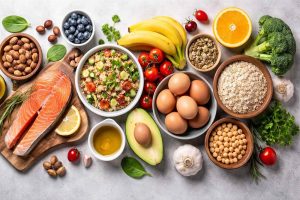
Choose easy everyday foods to help you follow the MyPlate approach.
- Lunch and dinner should include vegetables.
- Eat a whole piece of fruit.
- Replace some of the refined grains with whole grains.
- Add beans, fish or other protein.
- Drink lots of water throughout the day.
- Plan meals that include different food groups.
You don’t have to revamp your whole diet overnight. Small changes over time can lead to healthier eating habits.
For more information, read our article on–Listen to Your Body: Breaking Free From Diet Culture
Frequently Asked Questions (FAQs)
What is MyPlate?
MyPlate helps people learn how to put together healthy meals by combining food groups to make healthier choices.
Who created MyPlate?
MyPlate is a nutrition graphic created by the U.S. Department of Agriculture (USDA).
What are the 5 food groups on MyPlate ?
There are 5 groups. They are: Fruit, Vegetable, Grain, Protein Foods and Dairy or Fortified Alternatives to Dairy.
How do I use MyPlate to plan my meals daily?
That’s right. MyPlate promotes healthy choices and variety to help people plan balanced meals every day.
Can I do MyPlate without any dairy?
Yes. You could also choose the right fortified options, such as fortified soy milk, to get the nutrients you need.
Conclusion
MyPlate is a nutrition guide to help you build your meals easily and in balance. Eating healthier means creating healthier eating habits that include fruits, vegetables, whole grains, protein foods and dairy or fortified alternatives.
Start small. Try new healthy foods and add healthy meals to your daily menu.