
How to Get Rid of Back Breakouts: 7 Simple Tips
Introduction
Back breakouts can be a real pain, especially when it feels like sweat, tight clothes, or just doing everyday things make them worse. They may be little lumps, whiteheads or inflamed pimples on the shoulders and upper back. The good news is a consistent skin care routine can help control many common breakouts.
The first step to learning how to get rid of back breakouts is to understand what is causing them. Excess oil, dead skin cells, friction and clogged pores can cause acne. How to go about it the right way depends on your skin and what kind of bumps you have.
Wash Your Back Gently
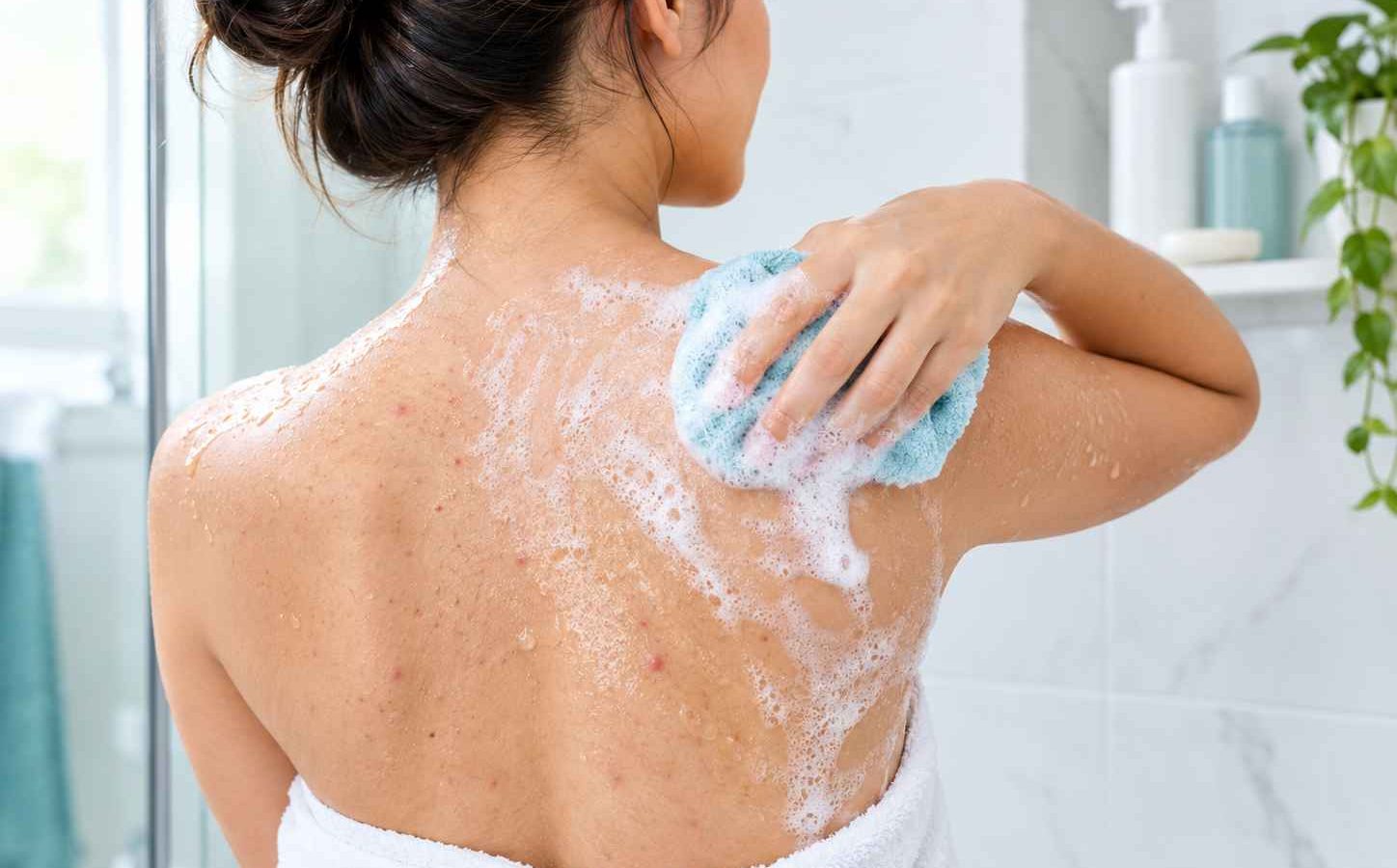
One of the first things you need to do to manage back acne is to keep your skin clean but not over wash it. Sweat and oil can accumulate during exercise or hot weather, potentially causing clogged pores.
After sweating, shower and use a mild, fragrance-free body wash. Do not scrub hard, wash your back with your hands or some soft cloth. Harsh scrubs can irritate the skin and make inflamed breakouts even more uncomfortable.
Don’t clean your skin too often during the day. Usually gentle regular cleaning is better than aggressive cleaning.
For more information, read our article on-Masks and face for healthy skin
Shower after exercising

shower-after-workout-back-acne

Sweat doesn’t directly cause acne, but sweat plus friction, oil and tight clothing can trigger breakouts.
If possible, change out of wet clothes and shower after workouts or other activities that cause you to sweat a lot. If you can’t shower right away, at least change into a clean, dry shirt to minimise prolonged exposure to sweat and chafing.
Select workout clothes that allow for air circulation, and change out of sweaty workout clothes after each workout.
Use an Acne Fighting Body Wash

acne-fighting-body-wash
If regular cleaning isn’t enough, an acne treatment might help. Benzoyl peroxide body washes help to reduce the bacteria that causes acne and are often used for inflammatory acne. Salicylic acid may also help to unclog pores.
“Start with one appropriate product and follow the label directions. Some acne medicines can make your skin dry, irritated or more sensitive. Benzoyl peroxide can also bleach towels and clothing so rinse well and use fabrics you don’t mind discolouring.
Don’t mix a bunch of powerful acne products at once. If you have sensitive skin or are unsure which treatment is right for you, seek advice from a chemist or dermatologist.
For more information, read our article on-Acne OTC Treatments
Wear loose and comfortable clothing

breathable-clothing-for-back-acne

Skin irritation may occur from tight clothing, heavy backpack straps and repetitive rubbing. That kind of friction can cause acne-like flare-ups, especially when you’re exercising.
- Wear clothes that fit you well and are made from a breathable fabric. Keep your backpacks and sports equipment clean. Don’t wear damp workout clothes for long periods.
These small changes may help to reduce irritation while your skin care routine kicks in.
Don’t Pick or Squeeze Pimples
Picking at back breakouts can cause increased inflammation and raise the risk of infection, dark marks and scarring.
Instead, keep it gentle and let the acne treatments do the work. Don’t use abrasive brushes, rough exfoliation or home remedies that sting or burn the skin.
If spots are painful, deep or persistent, your dermatologist can suggest a treatment that’s more appropriate for the type of acne you have.
6.Use non-comedogenic skin care products
Some people may experience breakouts from heavy or clogging products. Look for “non-comedogenic” on moisturisers and sunscreens, which means they are formulated to be less likely to clog pores.
Your skin might feel dry, but that’s no reason to skip moisturiser. Pick a product that is on the lighter side and add new products gradually so you can pinpoint any potential irritation.
Also hair conditioner and styling products can leave residue on your back. Think about washing your back after rinsing out conditioner and thoroughly rinse out your hair.
For more information, read our article on-Best Non Comedogenic Moisturizer
Be Patient And Know When To Ask For Help
Acne treatments almost never work overnight. Improvement can take several weeks to months with regular use . Some treatments take around six to eight weeks or longer to have noticeable effects .
If your back acne is painful, widespread, scarring or doesn’t respond to appropriate over-the-counter treatment, see a dermatologist. Some bumps that resemble acne could be folliculitis or another skin condition that needs a different type of treatment.
Get professional advice instead of constantly changing products or using strong treatments that may irritate your skin.
Common Questions
How long does it take for back breakouts to clear up?
Depending on the cause and the treatment. Many acne treatments take from six to eight weeks before you can see any noticeable improvement, although more persistent acne can take longer to treat.
Does Sweat Cause Back Acne?
Acne is not caused by sweat alone. Sweat, friction, tight clothing and oil buildup can all contribute to breakouts. You may find a shower after exercising and putting on clean clothes helpful.
Can I exfoliate my back if I have acne?
Don’t scrub hard or use abrasive exfoliating tools. They can inflame irritated skin. If you’re using a chemical exfoliant, choose an appropriate product and follow the instructions.
When to consult a dermatologist for back acne?
If breakouts are painful, deep, widespread, leaving scars, or not improving with regular treatment, seek advice from a professional. A dermatologist can identify the cause and advise proper care.
Summary Conclusion
How to get rid of back breakouts? Cleanse the skin gently, shower after exercise, use acne treatments that are right for you, and avoid friction from clothing. Don’t pick at the pimples and give the routine time to work.
If your breakouts are painful or persistent, a professional can help you pinpoint the right treatment. The best place to start is with consistency and gentle skin care, rather than harsh scrubbing or trying too many products at once.