
Best Non Comedogenic Moisturizer – What to Look For?
What is a Non-Comedogenic Moisturizer?
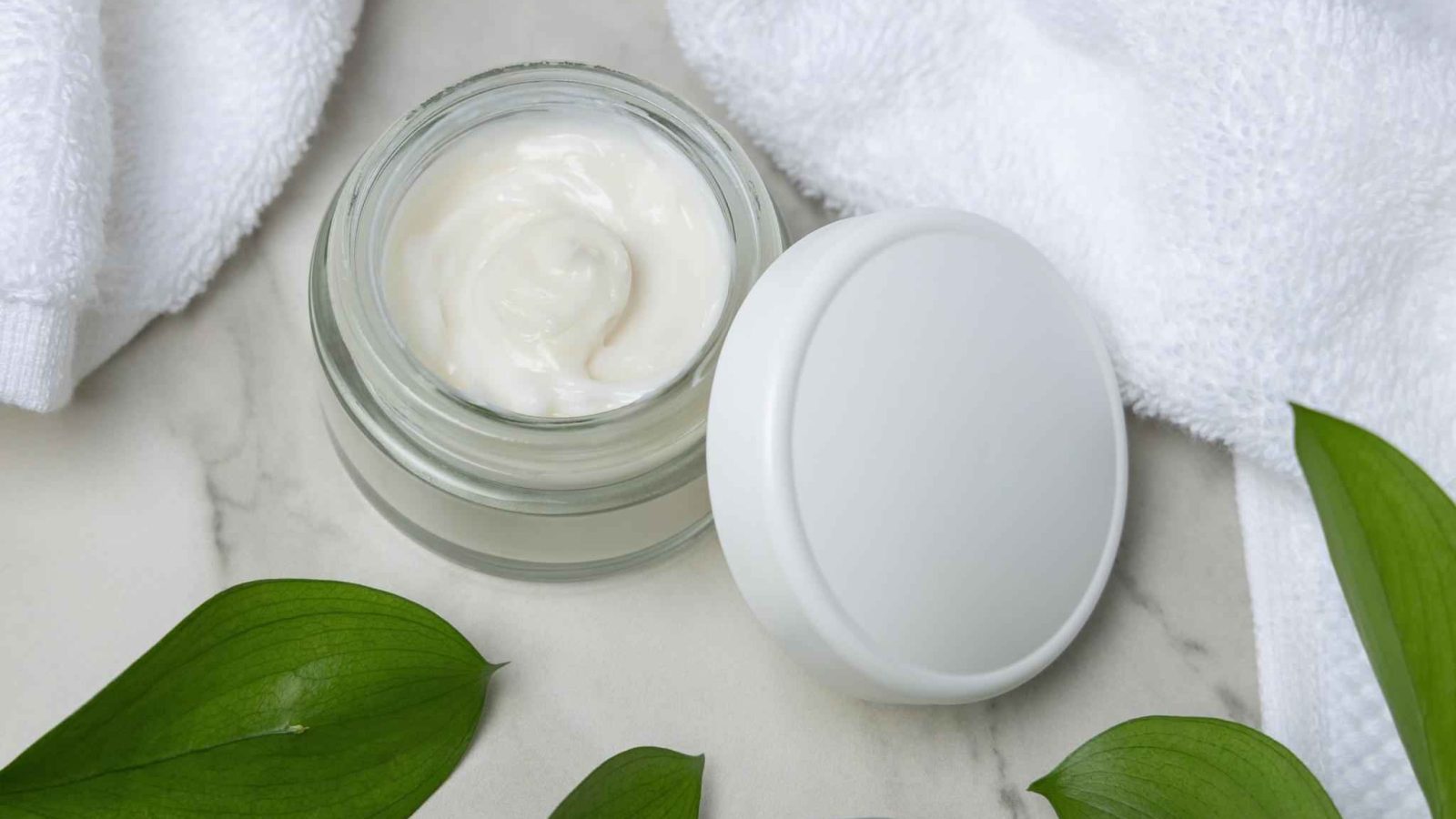
A non comedogenic moisturizer is a skincare product that minimizes the chances of your pores getting clogged. It keeps the skin moisturized without adding to blackheads, whiteheads and other types of acne unnecessarily.
You’ve likely heard that if you have oily or acne-prone skin, applying moisturizer will only lead to more breakouts. But no matter what your skin type is, moisturizing is an important part of an overall skincare routine.
A noncomedogenic moisturizer hydrates your skin and reduces the risk of pore congestion. But the term doesn’t mean that a product works for everyone. Your skin’s response will vary depending on the formula and other skincare products you use.
Benefits of Using a Non Comedogenic Moisturizer
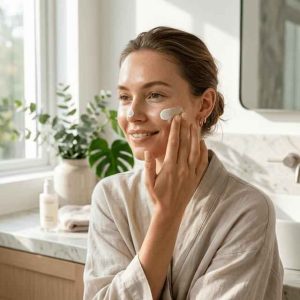
A good moisturizer can help support the skin’s natural protective barrier and help to reduce moisture loss.
Hydrates Skin
Moisturizers help avoid extreme dryness and keep skin feeling comfortable. After washing, your skin may feel softer and less tight.
Good for acne-prone skin
If you tend to break out, you might want to look for products that are less likely to clog your pores. A good moisturizer can work with an acne treatment without slowing you down.
Support For Skin Barrier
The skin barrier protects against irritants and minimizes water loss. Acne treatments can dry the skin out, so regular moisturizing helps replace the skin’s oils and maintain the skin’s natural barrier.
Suitable for all skin types.
These products are a winner for oily skin, but if you have combination, dry or sensitive skin you can benefit too – just choose the right formula.
For more information, read our article on–Hormonal Acne
How to Select the Best Non-Comedogenic Moisturizer
Everyone doesn’t respond to moisturizers in the same way. Keep in mind your skin type, the ingredients and the texture you want when choosing a product.
Select a Formula for Your Skin Type
Oily skin: Light lotions or gel moisturizers that feel comfortable but not greasy.
Dry Skin: Look for creams with hydrating and barrier-supportive ingredients.
Combination skin: Pick a formula that’s balancing, hydrating the dry patches but not feeling too heavy on the oily bits.
Sensitive skin – opt for fragrance-free products with minimal ingredients to reduce the risk of irritation.
Look for helpful ingredients
There are several ingredients that can help aid hydration and skin barrier health.
Hyaluronic acid: Draws water into the skin and locks it in.
Glycerin: A humectant that pulls moisture to the surface layers of the skin.
Ceramides: Assists in strengthening the skin’s protective barrier.
Niacinamide: Helps support barrier function and improve the appearance of uneven skin tone.
What’s important is not the individual ingredient, but the whole formulation. Even products with good ingredients may not work for every skin type.
For more information, read our article on–Best Skincare Routine for Dry Skin
Product Labeling Review
Look for products marked non-comedogenic, but labeling and testing practices aren’t consistent. If a product is marketed for oily or acne-prone skin, that doesn’t mean it’s your product.
If you have sensitive skin, test out new products slowly and look for products that are fragrance free.
How to Use a Non-Comedogenic Moisturizer
Keep skin hydrated and help your skincare routine by using a moisturizer regularly.
Gentle cleansing: Select a mild cleanser based on your skin type.
Moisturizer: Apply generously to slightly damp skin.
Continue with your morning routine: Use a broad spectrum sunscreen of SPF 30 or greater during the day.
Moisturize at Nite: After cleansing and any treatment products (follow directions), apply a moisturizer.
Check your skin: See if the product leaves any residue or makes acne worse.
Don’t start a whole bunch of new skin care products all at once. Adding products one by one helps you to discover what works for your skin.
For more information, read our article on–Best Skincare Oily Skin Skincare Routine
Common Mistakes to Avoid
Even the best moisturizer won’t solve all skin problems. Avoid these common mistakes:
- If you have oily skin, you can skip moisturizer.
- Harsh cleansers that cause skin tightness.
- Buying decisions based on marketing claims.
- Too much in the ingredients too fast.
- Expecting a new skin care product to work overnight.
If you still have breakouts that hurt or cause scarring, consult a qualified dermatologist who can give you specific advice.
Greatest Questions FAQ
Is a non-comedogenic moisturizer good for acne skin?
This is less likely to clog pores, so it might be a good choice. But it won’t stop every breakout, or replace proper acne treatment.
Can I use a non comedogenic moisturizer everyday?
Yes. Most good face moisturizers are suitable for daily use as directed on the product. Pick one that smells good and hydrates your skin.
Non-Comedogenic vs Oil-Free
No. Non-comedogenic products are designed to minimize the chances of clogging pores, and oil-free products are made without the oils defined by the manufacturer. They are not the same words.
When will I see results?
You may feel better skin comfort and hydration soon after application. You may need to wait longer to see changes in acne or clogged pores and this can depend on the product, your routine and what’s causing your breakouts.
Final Considerations
The right non comedogenic moisturizer can keep your skin hydrated and comfortable, without unnecessarily increasing the risk of clogged pores. Know your skin type, find the right ingredients for you and stick to a gentle but consistent skin care routine.
Remember there’s no one size fits all moisturizer. If you have ongoing acne or irritation, a dermatologist can help you determine which products and treatments will work for you.