Correct Diet to Lose Weight: A Healthy Eating Guide
Weight Loss Diet Plan : Healthy Diet Chart
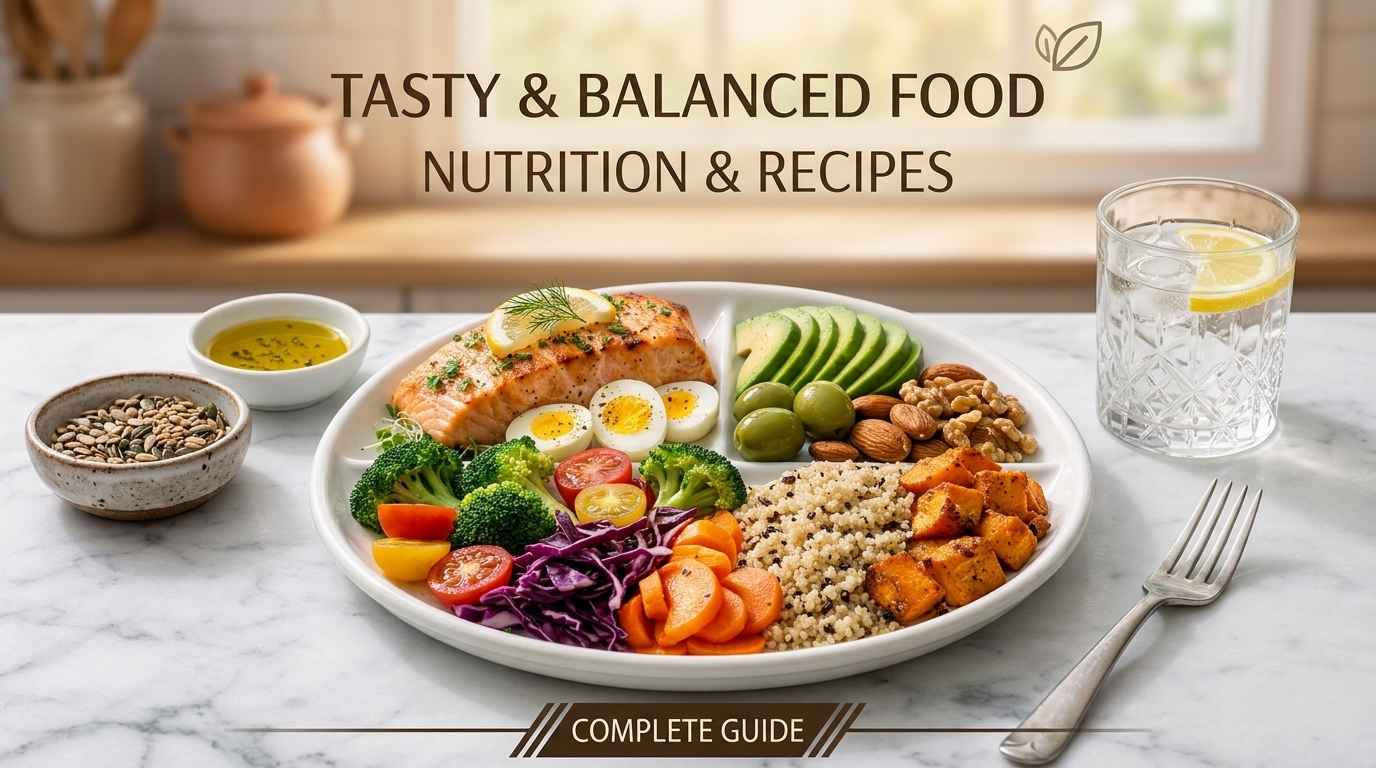
You don’t have to starve yourself or eat a very limited diet to lose weight. The best Correct Diet to Lose Weight is one that focuses on balanced nutrition, healthy food choices and sustainable eating habits. Managing how much you eat and consuming healthy foods can help you to control your weight and maintain your overall health.
“A healthy eating plan includes vegetables, fruits, whole grains, lean protein and healthy fat. Look for habits you can stick with, not quick wins.
Know the basics of healthy eating for weight loss
A healthy weight-management plan is founded on eating a variety of nutritious foods. So your body needs these vital nutrients to work properly and there is no need to cut out entire food groups unless advised by a medical professional.
A well balanced diet usually contains:
- Protein: eggs, fish, chicken and beans and lentils and yogurt.
- Fibers: Whole grains, oats, vegetables, fruits.
- The good fats: nuts, seeds, olive oil and avocados.
- Complex carbohydrates: Brown rice, whole-wheat bread, and sweet potatoes
These foods also help you feel full and provide important nutrients.
For more information, read our article on-Healthy Gut Daily Habits
Eat more fruits and vegetables

fruits-and-vegetables-healthy-diet
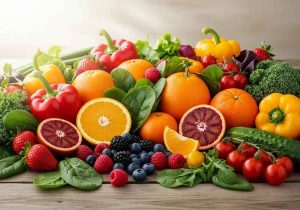
Fruits and vegetables are essential parts of a well-rounded diet. They add interest to everyday meals and provide vitamins, minerals, fiber and water.
Some of the more healthy ones are:
- Oranges. Apples. Berries.
- Spinach. Broccoli. Carrots.
- Cabbage, tomatoes, cucumbers.
- Seasonal fruits & Banana.
Have vegetables for lunch and dinner, and whole fruit for a snack. In general, whole fruits are more satisfying than fruit juices because of fiber.
Eat protein with every main meal

healthy-protein-food-sources
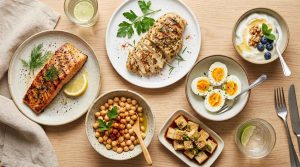
Protein is also good for keeping your muscles strong and feeling full after you eat. Adding some of these protein-packed foods to your daily meals can help you maintain a balanced eating routine.
Good sources of protein are:
- Eggs, boneless chicken.
- Shellfish and Fish
- Lentils, beans, chickpeas,
- cottage cheese Greek-style yogurt.
- Soy foods, such as tofu.
Be sure to eat different protein sources throughout the week to get the nutrients you need.
For more information, read our article on-Foods That Contain More Magnesium Than Pumpkin Seeds
Choose Whole Grains Instead of refined cereals

whole-grain-foods-healthy-diet
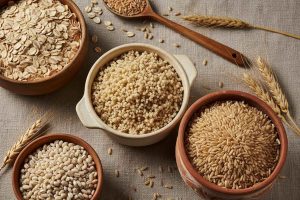
Whole grains have fiber and other nutrients that are lost when they are refined. Whole grains are more nutritious than refined grains. So replacing some refined grains with whole grains can help improve the nutrition of your food.
Consider these options:
- Use brown rice more often than white.
- Oatmeal instead of sugary breakfast cereals.
- Opt for whole-wheat bread instead of white, refined bread.
- Other grains to think about: Quinoa, Barley.
You don’t have to cut carbs out. Make healthy choices and adjust your portions according to your needs.
Control Portions, Don’t Skip Meals
Another important component to the right diet for weight loss is portion awareness. “Eating the right amounts of nutritious foods to meet your energy needs can help keep your routine balanced.
Here’s a simple plate method that can help:
- Vegetables and fruits: ½ plate.
- ¼ High-protein foods.
- One-quarter Starchy foods, such as whole grains.
This is a guideline not a stone rule. Everyone’s nutrition needs are different based on age, activity and health.
Do not skip meals or go on extreme calorie restriction diets. Eating regularly and having satisfying meals can help healthy eating become a habit.
Cut down on added sugar and ultra-processed foods
Sugary foods and drinks might add extra calories but not many of the important nutrients.
Try to keep your:
- Soda and energy drinks with added sugar.
- Too many desserts and sweets.
- Large amounts of added sugar in snack foods.
- Deep fried food is common food.
You don’t need to give up your favorite foods entirely. “Having treats, as part of an overall balanced diet, is perfectly reasonable.
Eat healthy foods and drink lots of fluids
Adequate water is important for digestion, body temperature regulation and normal body functions. Water is a great drink to go to.
You can also develop better habits by:
- Regularly eating meals.
- Drinking water all day.
- Cooking at home as much as possible
- Eat slowly, and be mindful of your hunger.
- Getting enough sleep.
- Doing fun things that keep you active.
“Doing it every day is not as important as staying with it.
For more information, read our article on-Best Breakfast Food
Sample Daily Meal Plan Healthy
Here is a basic illustration of a balanced daily eating routine.
Meal | Food Choices |
Breakfast | Oatmeal, boiled egg, and banana |
Morning Snack | Apple and a few nuts |
Lunch | Brown rice, grilled fish, and vegetables |
Afternoon Snack | Plain yogurt or seasonal fruit |
Dinner | Whole-wheat roti, lentils, and mixed vegetables |
This example is not a custom calorie prescription. Modify food selections and quantities to suit your nutritional requirements.
Frequently Asked Questions FAQ
What is the Correct Diet to Lose Weight?
A good foundation for healthy weight management is a well-rounded diet that includes vegetables, fruits, lean protein, whole grains and healthy fats.
What should I eat to keep my weight down?
Eat foods rich in nutrients like eggs, fish, beans, vegetables, fruits, oats, nuts and whole grains.
Must I cut out carbs to lose weight?
Nope. Carbohydrates are the main source of energy. Choose high-fiber foods like oats, brown rice, fruit and whole grains.
Will skipping breakfast help me lose weight?
If you want to control your weight, you don’t have to skip breakfast. Choose a meal schedule that meets your energy needs, nutritional needs and daily schedule.
Does rice fit in a healthy diet?
Yeah. Rice may be part of a healthy diet. Serve in portions . Combine with vegetables and protein foods .
For more information, read our article on-Saturated Fat Per Day? Daily Limits
CONCLUSIONS
The Correct Diet to Lose Weight is not starving yourself or giving up all your favorite foods. It’s about eating balanced meals, it’s about knowing how much you should eat, it’s about developing habits that you can sustain.
“Instead of looking for a quick fix, make small lifestyle changes. Eating a healthy diet, exercising regularly and getting enough sleep can help you stay healthy and well in the longer term.