
10 Easy Ways How to Improve Your Lung Health Every Day
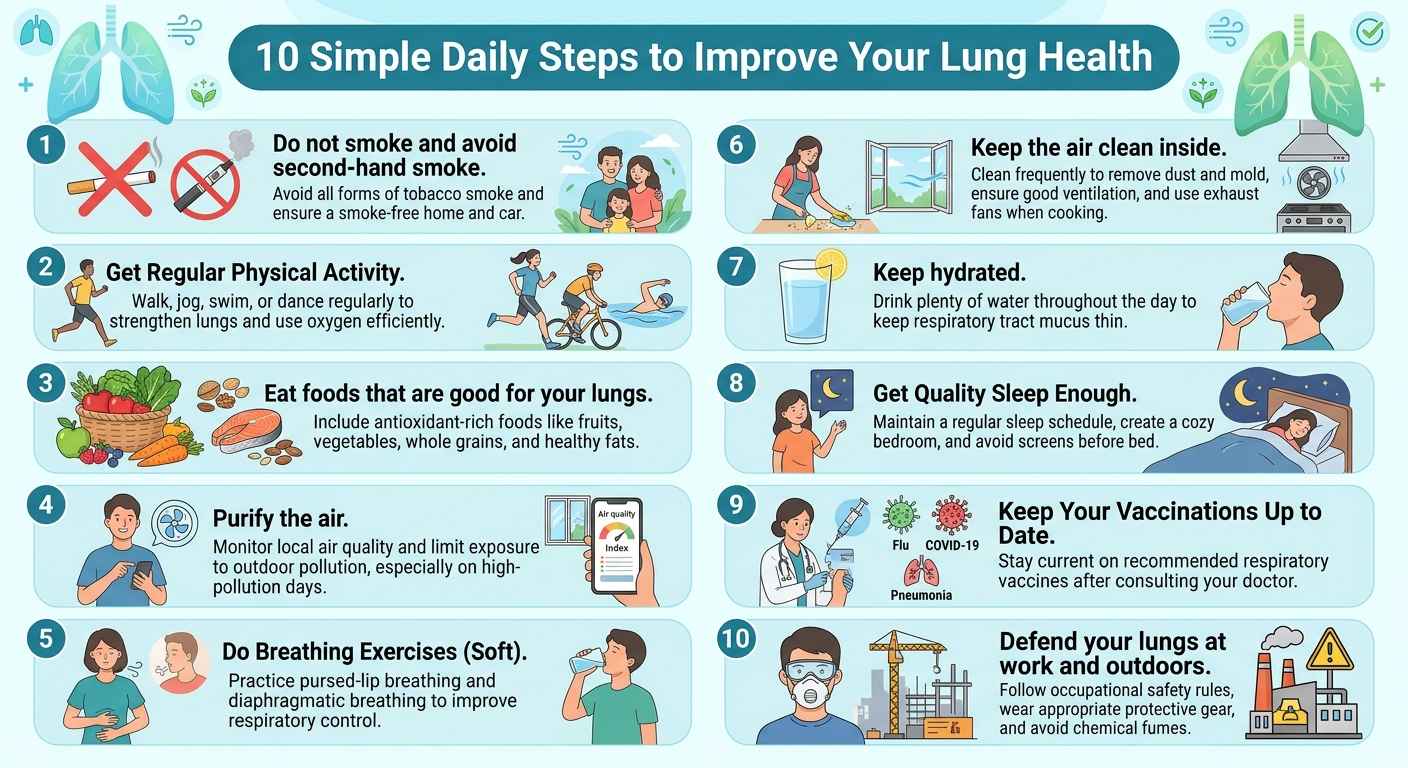
10 Simple Daily Steps to Improve Your Lung Health
Your lungs are essential for your body’s health. They help you breathe. They add oxygen to your body and take away carbon dioxide . Healthy lungs assist us in carrying out our daily activities such as walking, exercising, sleeping and working.
But over time, air pollution, cigarette smoke, indoor pollutants and bad lifestyle habits can start to affect the respiratory health.
The good news is that you can help your lungs stay healthy by making a few simple changes to your lifestyle. Curious about how to improve your lung health? In this guide, we have provided some useful habits, healthy foods, and daily activities that can help you maintain a healthy respiratory system.
Do not smoke and avoid second-hand smoke.

avoid-smoking-for-lung-health

Don’t Smoke Keeping away from tobacco smoke is an important way to protect your lungs. Cigarette smoke has harmful substances that can damage the tissues of the lungs and increase the risk of respiratory diseases.
Secondhand smoke is also harmful to nonsmokers.
For the sake of your lungs:
- No smoking. No e-cigarettes, sorry.
- Avoid exposure to secondhand smoke.
- Make sure your home and your car are smoke-free.
- Promote smoke-free environment .
For more information, read our article on-Easy Exercises to Increase Energy
Get Regular Physical Activity

physical-activity-for-lung-health

Regular activity is good for your heart, muscles and lungs. Exercise like walking, cycling, swimming and dancing can help the body to use oxygen efficiently and improve general fitness.
You don’t need to do complicated exercises to get moving.
Here are some things you might want to try adding to your routine:
- Stepping out into the fresh air.
- Easy ride.
- Swimming in a safe environment.
- Light stretching / mobility work.
Begin at an easy level and build up your activity.
For more information, read our article on-Aerobic Exercise: Benefits, Types, And Tips For Beginners
Eat foods that are good for your lungs

healthy-foods-for-lung-health
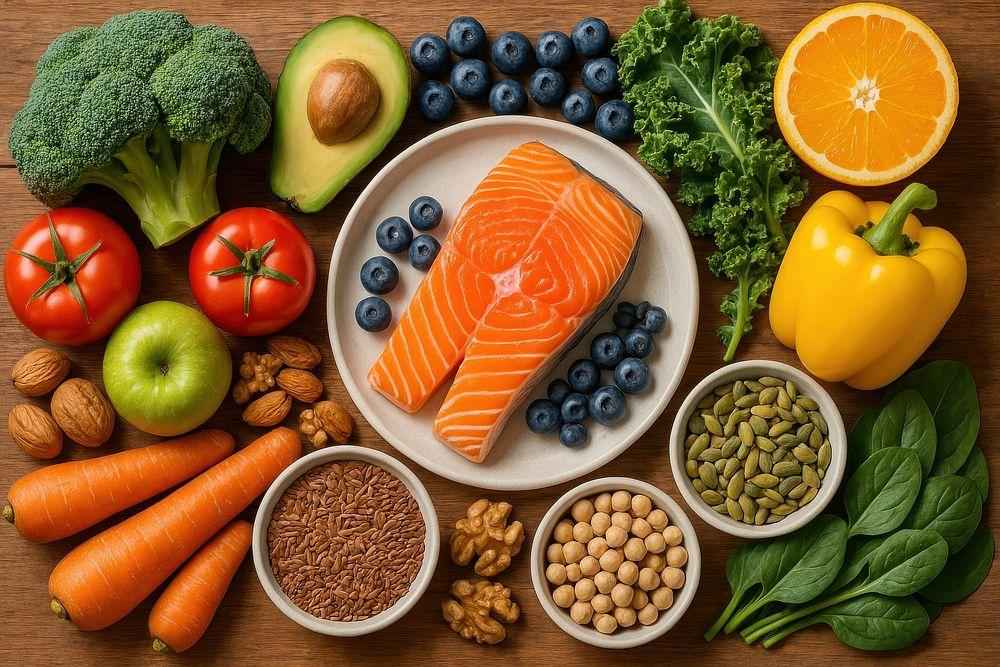
A good diet includes vitamins, minerals and antioxidants to help you stay in good general health.
Some foods are nutritious and contain nutrients that help protect cells from oxidative stress.
You might want to add:
- Apples: Good source of fibre and plant compounds.
- Leafy greens: They are packed with vitamins and antioxidants.
- Berries: Good source of vitamin C and other anti-oxidents.
- Carrots: contain beta-carotene.
- Nuts and seeds: Provide healthy fats and vitamin E.
- Fatty fish: contain omega-3 fatty acids.
All are good for the total health of your respiratory system. A combination of fruits, vegetables, whole grains and sources of protein.
For more information, read our article on-The Ultimate Guide to Eating Healthy in Real Life
Purify the air
Air pollution irritates the respiratory system and impacts lung health.
To limit exposure:
- Avoid highly polluted areas if you are able to. • Keep an eye on local air quality reports.
- If there is a lot of pollution outside, close the windows.
- Cook in a well ventilated area.
- Don’t burn trash or other materials on your property.
Maybe you can save your lungs from air pollution.
Do Breathing Exercises (Soft)

breathing-exercises-for-lung-health

Breathing exercises may help some people develop their breathing pattern and gain control over their breathing.
Two common approaches are suggested:
Pursed-Lip Breathing Take a slow, deep breath in through your nose. Slowly exhale through pursed lips.
Diaphragmatic breathing: Inhale deeply and let your stomach rise naturally.
Some people with breathing difficulties do find these techniques helpful, but they are not a substitute for medical care.
For more information, read our article on-Beginner’s Guide to Running for Weight Loss
Keep the air clean inside
Dust, mould, cooking smoke and chemical fumes can irritate your airways, so good indoor air quality is important.
- Start with these simple habits:
- Clean your house frequently.
- Ensure good ventilation in the rooms.
- Cut down on dust and mildew
- Cook with your kitchen exhaust fans on.
Avoid too much exposure to strong chemical fumes.
Ventilation, and reducing your exposure to smoke is particularly important if you cook with solid fuels.
Keep hydrated
hydration-and-sleep-for-health

Water is necessary for the normal functioning of the body including maintaining moisture of the respiratory tract. Staying well hydrated might also help prevent mucus from getting too thick.
Water should be your beverage of the day. “Fruits, vegetables and broths that have a lot of water in them are also good sources of fluids.”
Get Quality Sleep Enough
Sleep Well Sleep is good for your immune system and overall health. Try to keep a regular sleeping pattern so your body can work properly.
- For a better night’s sleep:
- Maintain a regular sleep schedule.
- Make your bedroom as cosy as you can.
- Try not to look at screens for extended periods before going to sleep.
- Create a nightly routine.
For more information, read our article on-Simple Ways to Establish a Healthy Sleep Routine
Keep Your Vaccinations Up to Date
Respiratory infections can impact your lungs, especially if you have an existing health condition.
Talk to your doctor about what vaccines you should get. This might include flu, COVID-19 and pneumonia vaccines, depending on your age and health status.
Defend your lungs at work and outdoors
Dust, smoke and chemical fumes can affect respiratory health, especially with repeated exposure.
- If your work or daily activities expose you to dust or harmful substances:
- Follow the rules of occupational safety.
- Wear appropriate protective gear.
- Don’t get too much exposure to chemical fumes.
- Be careful on days when the air quality is bad.
These habits may help reduce your exposure to substances that can irritate or damage your lungs.
Frequently Asked Questions
What can I do to naturally improve lung health?
You can help your lungs by not smoking, staying active, eating a nutritious diet, drinking enough water, and avoiding air pollution.
What are best foods for lung health?
Fruits, leafy green vegetables, berries, carrots, nuts, seeds and fatty fish all provide nutrients that support overall health.
Do breathing exercises benefit your lungs?
For some people , especially those with certain lung conditions , breathing exercises can help you to better control your breathing and control breathlessness . These are not a replacement for medical treatment.
Does Walking Help Improve Your Lungs?
Yes. Walking regularly promotes cardiovascular fitness and helps the body use oxygen efficiently. Pick a comfortable pace and avoid areas with heavy pollution.
Conclusions
Simple, consistent lifestyle habits are the starting point for learning how to boost lung health. Staying away from tobacco smoke, exercising regularly, eating nutritious foods, staying hydrated and reducing exposure to air pollution can all help support respiratory wellness.
Remember that healthy lifestyle habits do not protect against lung diseases. If you are having continuing problems breathing, be evaluated by a health care professional.