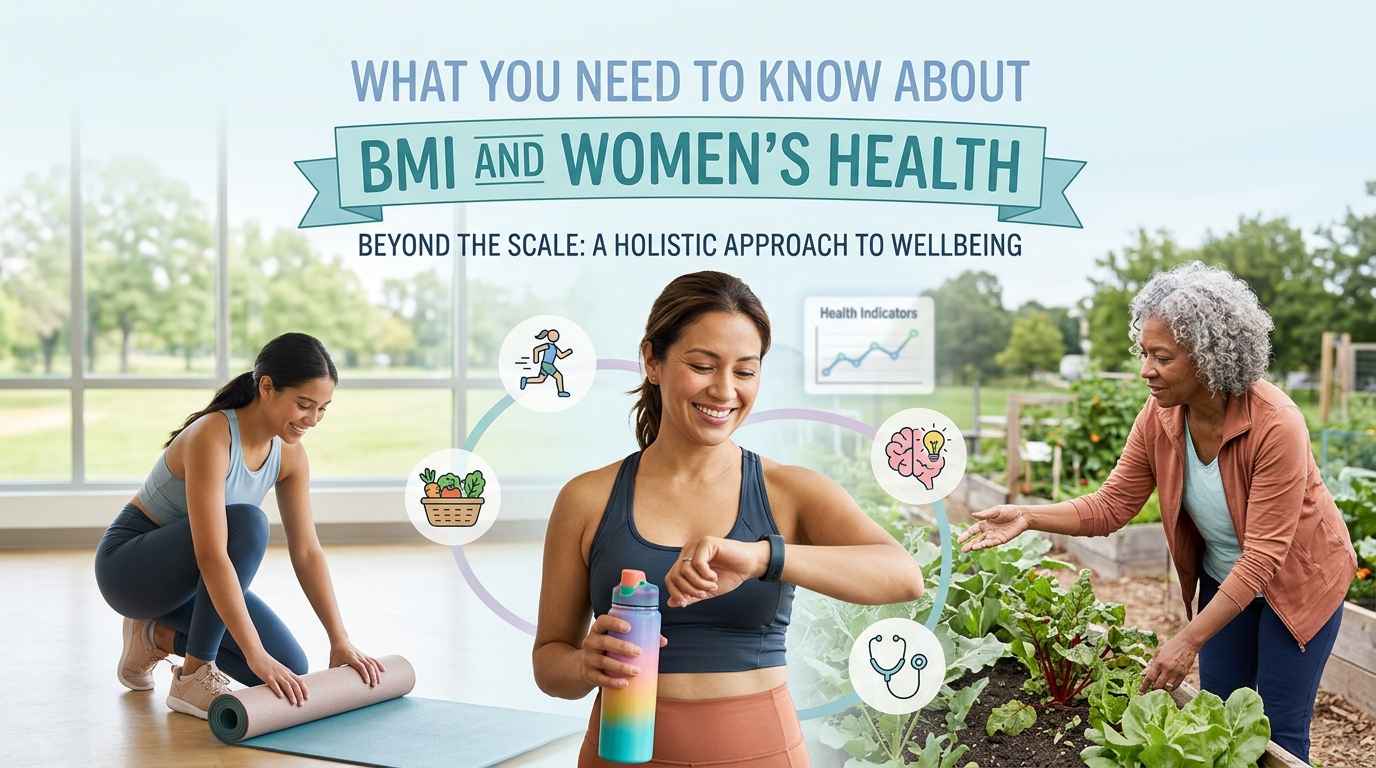
What You Need to Know About BMI and Women’s Health
GIntroduction
Women’s health is not a number on a scale. BMI (body mass index) is a screening tool used by health care professionals to help estimate weight relative to height. But the relationship between BMI and women’s health is more complex than just measuring body weight.
“BMI can tell us useful things about potential health risks, but it can’t tell us everything about a woman’s overall health. Other factors that matter are age, muscle mass, hormones, pregnancy, diet, physical activity and medical history. By knowing the pros and cons of BMI, it can help women to make smarter choices on their health.
What Does BMI Mean and How Is It Calculated?
The Body Mass Index (BMI) is a figure derived from a person’s weight and height. It is often used by healthcare professionals as a screening tool to help identify potential weight-related health concerns in the first instance.
For more information, read our article on-What Is Ideal Body Weight For Your Health
BMI is calculated using the following formula:
BMI = Weight (kg) / Height (m) 2
For example, a health professional may use this calculation to see how an adult’s weight compares to their height. But BMI doesn’t directly measure body fat or provide a complete health assessment.
BMI should be interpreted differently in children and adolescents. Standard adult BMI categories are replaced with age and sex specific growth charts.
BMI and Women’s Health: Why Is BMI Important?
BMI can help health professionals to assess the potential health risks of weight. This can be a sign that further health assessment may be necessary if your BMI is outside the recommended range for screening.
Some health conditions associated with excess body fat include:
- Type 2 diabetes
- High blood pressure
- Coronary artery disease
- Certain metabolic diseases
- Joint aches
But BMI on its own can’t diagnose these conditions. Blood pressure, cholesterol and blood glucose tests, and medical history give more information.

For more information, read our article on-Calorie Control in the Workplace: 10 Healthy Eating Tips
Limitations of BMI in Women
BMI is useful but has a number of limitations in assessing women’s health.
It Does Not Measure Your Body Composition
BMI can’t tell the difference between fat, muscle and bone mass. Different body compositions and health profiles may exist with the same BMI.
Hormonal Changes Could Impact Health
Menstruation, pregnancy, perimenopause and menopause all involve hormonal changes that can impact various aspects of women’s health. BMI does not measure or account for the effect of these changes.
Different evaluation for pregnancy
Pregnancy naturally induces changes in body weight and body composition. The standard interpretation of adult BMI is not designed to assess weight changes during pregnancy. Health professionals use guidelines for pregnancy to monitor the health of the mother.
It’s Not a Representation of Lifestyle Overall
BMI does not account for sleep quality, nutritional intake, physical fitness, mental health, or daily activity levels. These are also important considerations in women’s health.
Other women’s health evaluations
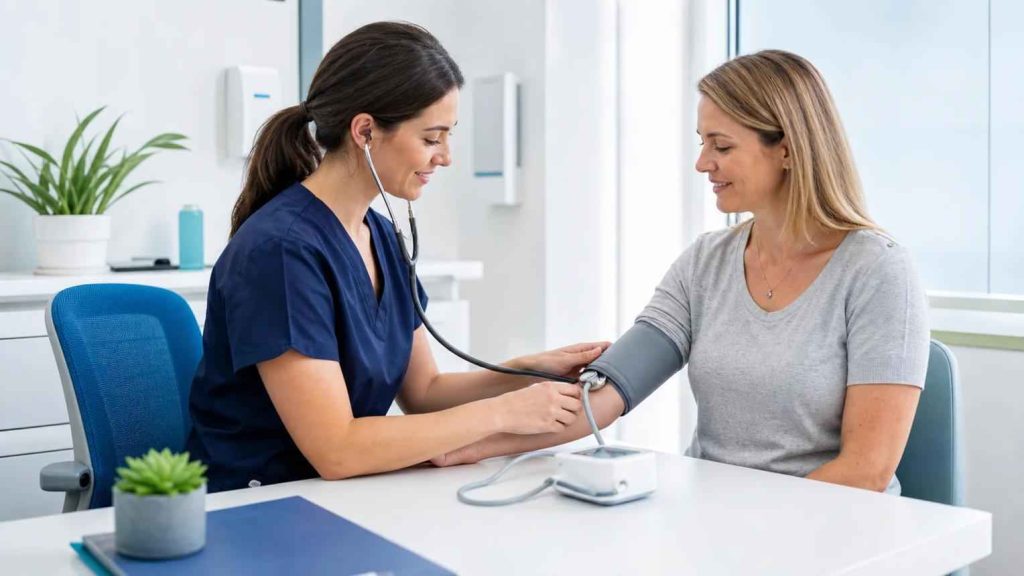
A more holistic assessment of health goes beyond BMI.
Health is measured by key health indicators:
Blood Pressure: It helps to assess Cardiovascular health.
Blood glucose: indicates how well blood sugar levels are controlled.
Cholesterol levels: Useful in assessing cardiac risk.
Waist circumference: Might give further information about the distribution of fat in the abdomen.
Exercise: Regular movement is great for your cardiovascular and metabolic health.
Nutrition: A well-balanced diet provides the nutrients needed for normal body functions.
Sleep quality: Good sleep is connected to physical and mental health.
When combined, these indicators can give health professionals a better picture of an individual’s health.
For more information, read our article on-Living Healthy: 15 Simple Habits for a Better Life
Healthy ways to help women thrive
Women can improve their overall health by focusing on sustainable everyday habits, not just BMI.
Eat healthy

Incorporate healthy fats, protein-rich foods, and whole grains and vegetables and fruits into your daily meals. Variety in your diet can help supply needed vitamins and minerals.
STAY MOVING
Pick activities you enjoy doing such as walking, cycling, dancing or swimming. Regular physical activity is good for the heart, strength and overall fitness.
prioritise quality sleep
Sleep keeps you energetic, focused and in good spirits. Having a regular sleeping pattern can be good.
Regular Medical Exams
Routine medical examinations will identify possible health concerns. Doctors can recommend the right tests for you depending on your age, your medical history and your individual needs.
For more information, read our article on-Easy Dinner Ideas for Family: 10 Quick & Healthy Meals
Frequently Asked Questions (FAQ)
Is BMI a good measure of women’s health?
BMI is a useful screening tool, but it doesn’t tell the whole story about women’s health. We should also look at other indicators of health.
Are there differences in BMI between men and women?
The usual BMI categories for adults are usually the same for men and women. But the health and body comp stuff can vary.
Is BMI an indicator of women’s hormonal health?
No. BMI doesn’t diagnose hormone levels or hormone conditions. A medical examination and appropriate laboratory tests may be required.
Usefulness of BMI in pregnancy.
Pregnancy weight changes should not be evaluated using the standard BMI categories. Healthcare professionals use pregnancy-specific assessments.
How do we get the complete picture on women’s health?
A complete assessment includes medical history, blood pressure, blood glucose, cholesterol, nutrition, physical activity, sleep and other relevant health indicators.
Conclusion
There is a correlation between BMI and women’s health, but BMI should not be the only measure of wellness. It is useful for screening purposes but cannot address all aspects of an individual’s health.
A holistic strategy toward women’s health is a blend of healthy lifestyle, regular health check-ups and expert medical advice. Being healthy is feeling good about yourself, not a number on the scale.”