
How to Get Rid of blackheads on nose and Prevent Them
Causes, Treatment and Prevention of Blackheads on Nose
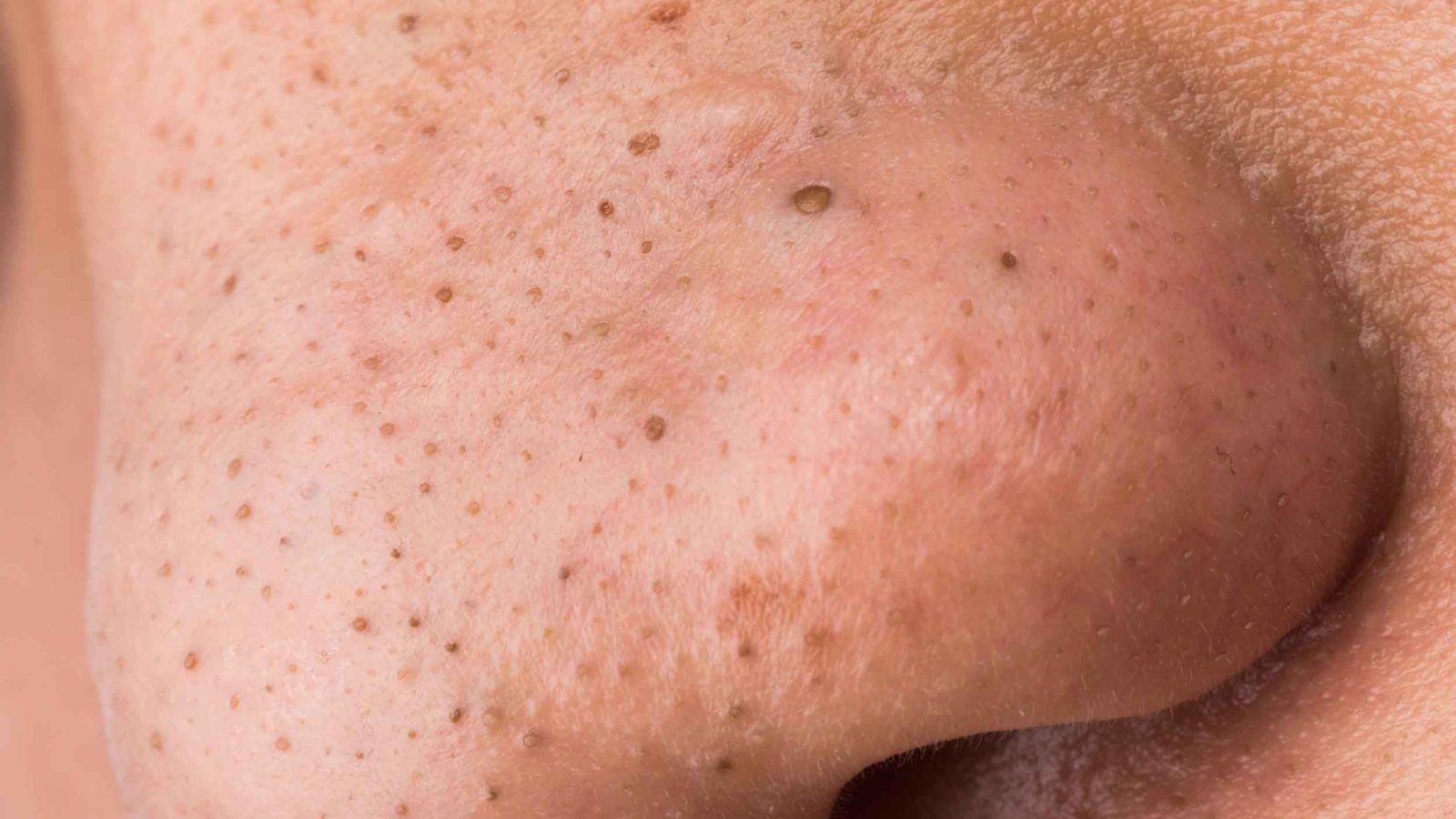
What are the blackheads on your nose? They show up as small black dots on your nose and are most obvious when your pores are making too much oil or collecting dead skin cells. Blackheads are usually not harmful, but can be irritating if you want a smooth complexion.
The good news is that blackheads can be fought with a good skincare routine and the right products. You don’t have to buy expensive treatments or use harsh scrubs and aggressive squeezing to care for your skin.
In this guide, we’ll show you what causes blackheads on your nose, how to safely treat them, what ingredients may help and how to prevent clogged pores.
Blackheads on the nose – What is it
Acne includes blackheads (open comedones). They develop when a hair follicle is clogged with oil and dead skin cells. Blackheads are open to the air, which oxidizes the contents of the pore and turns it dark. The whiteheads are however closed on the surface.
That dark color is not dirt, and rubbing your nose harder will not help.
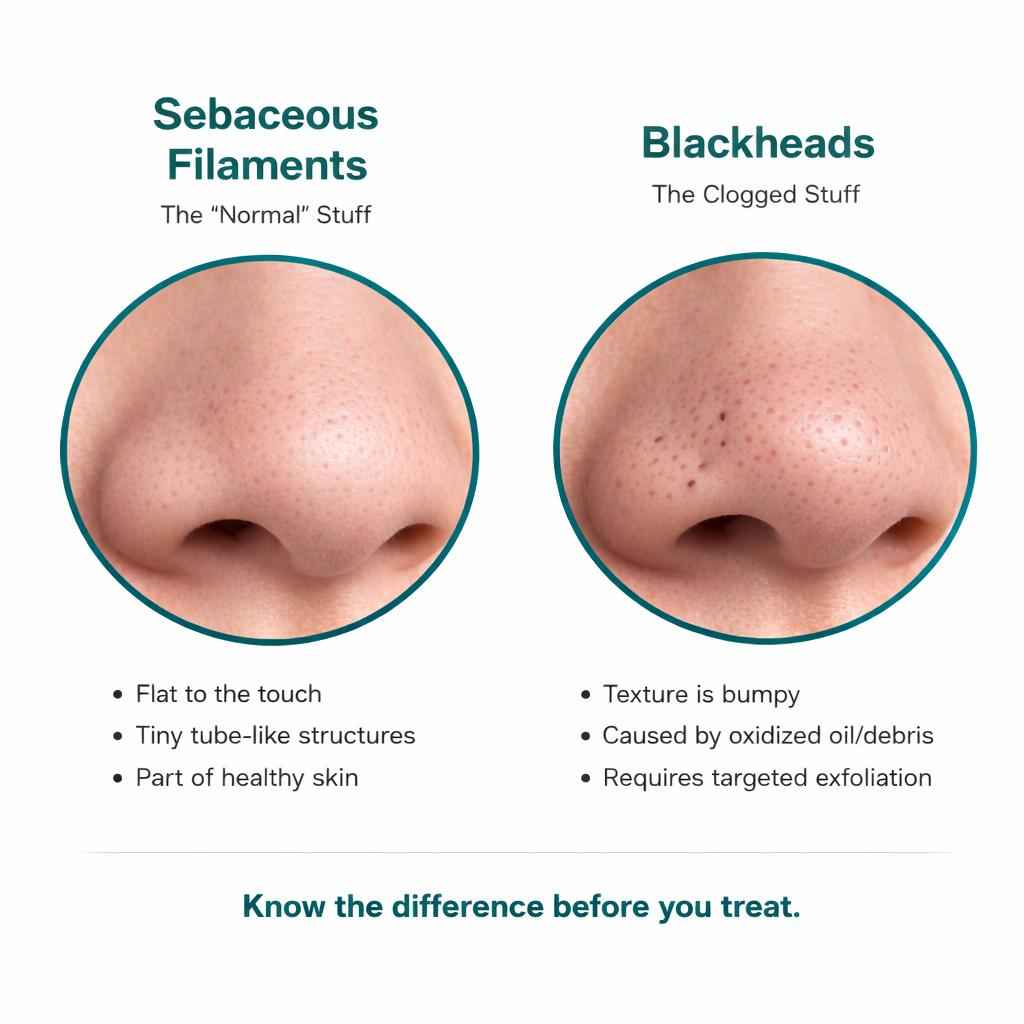
You may also see tiny evenly spaced gray or yellow dots on your nose. These could be sebaceous filaments which deliver natural oil to the surface of the skin. They are normal, not like blackheads . They tend to grow back if you remove them
Read more-Best Skincare Oily Skin Skincare Routine: Step-by-step Guide
Causes of Blackheads on Nose?
In fact, there are many reasons why you develop clogged pores and blackheads.
Overproduction of sebum
Sebum oil that your skin makes naturally. Blackheads are simply dead skin cells and excess oil that get trapped inside a follicle. People with oily skin might be more likely to find clogged pores around their nose.
Dead skin cell accumulation
The skin naturally gets rid of dead cells. Oil and these cells can build up in a pore and form comedones.
Hormonal changes
Hormones might play a role in oil production. Certain people are more susceptible to blackheads and other kinds of acne. That is perhaps due to puberty and other hormonal changes.
Wrong Skin Care Products
Some heavy or pore clogging products can cause break-outs in sensitive people. If you’re prone to clogged pores, look for products labeled “non-comedogenic.”
Skin care habits that irritate you
Constant rubbing, harsh cleansers, and frequent scrubbing irritate the skin. These habits might just make the redness and discomfort worse, instead of improving the look of your pores.
How to Remove Blackheads from Your Nose Safely

Often it is more helpful to have a steady gentle routine than to try and clear all blackheads at once.
Read more–Avocado Toast vs Nut Butter Toast: Which Has More Protein and Fiber?
Step 1: Cleanse your face gently
wash your face with a mild skin-cleanser suitable to your skin type. Do not use harsh wash cloths or scrubbing brushes. Use lukewarm water and your fingers.
If you wear makeup or sunscreen wash after sweating and before bed. Don’t wash your face too many times during the day. Over washing causes irritation.
Step 2: Locate Salicylic Acid
Salicylic acid is a beta hydroxy acid (BHA) which helps to dissolve the build up of dead skin cells in the pores. It can help clear out blackheads and other clogged pores.
Use an appropriate over-the-counter product. Follow label directions. If you are new to salicylic acid, use it occasionally, not regularly, from the very beginning.
If your skin remains dry, irritated or uncomfortable, discontinue use or use less often. Don’t use too many strong exfoliants at once.
Step 3: Use a good moisturizer You should moisturize even if you have oily skin. If you’re using acne medications that can dry out your skin, non-comedogenic moisturizer can help lock in moisture and keep your skin barrier intact.
Cleanse skin and use active skin care products as recommended by product. Apply after cleansing.
Step 4: Use Sunscreen All Day Long
Use a broad-spectrum sunscreen with SPF 30 or higher during the day. This is especially important when using exfoliating ingredients in your skincare routine because it helps protect your skin from UV damage.
Pick a formula that feels good on your skin and doesn’t seem to make your clogged pores look worse.
Do Home Remedies for Blackheads on Nose Work?
Many online remedies promise to get rid of blackheads fast, but some can damage or irritate your skin.
Gentle Cleansing Cleanses away surface oil, sweat, makeup and dirt.
Salicylic Acid products: Can help reduce the build-up that causes blackheads.
- Lotion (non-comedogenic) Formulations support skin barrier with no additional weight
Regular skin care: Use good stuff.
Do not ever use lemon juice, baking soda, toothpaste or any abrasive homemade scrubs on your nose. They irritate the skin and are not a reliable treatment for blackheads.
Pore strips can take away some of the gunk on the surface of your skin for a little while, but they do not fix the real causes and can irritate sensitive skin if you use them too often.
How to Clear Blackheads On the Nose
Blackheads are a normal thing but these everyday habits can help to decrease clogged pores.
Simplify Your Routine
Use a mild cleanser, a good moisturizer, a sunscreen and an acne treatment if necessary. Adding a large number of new products at once makes it more difficult to know what is working and what is not.
Don’t sleep in your make-up
If necessary, use a gentle makeup remover, followed by your usual cleanser. Don’t sleep in your makeup: Old makeup can irritate and build up on the surface.
Choose Your Products Carefully
Use non-comedogenic skin and makeup products. Remember labels are good guides but not a guaranty that one product will work for every person.
Don’t Hold Your Nose
Squeezing or digging into the pores can cause inflammation, broken skin, infection and possible scarring. Don’t need to remove every visible stain. Let the skincare products do their thing.
When to See a Skin Doctor
If you’re doing a good job of following a routine, but still have blackheads, or your acne is painful or inflamed, or your skin reacts to OTC treatments, then you might want to see a dermatologist.
A dermatologist can tell the difference between blackheads and sebaceous filaments or other skin conditions and recommend an appropriate treatment plan. Sometimes they may require professional removal.
If you are pregnant, breastfeeding or planning to become pregnant, talk to your healthcare provider before using acne treatments — especially topical retinoids.
Frequently Asked Questions
Why are there so many blackheads on my nose?
The nose has lots of glands that produce oil. The pores in this area can become clogged with sebum and dead skin cells. Genetics, hormones and skin care habits can also affect how noticeable blackheads are.
How long does it take to remove blackheads on the nose?
*Results will vary by product, skin type and severity of clogged pores* It may require several weeks of proper treatment before any improvement is noted. Follow product directions and do not use more than directed to speed results.
Can blackheads be popped?
Squeezing them is not recommended, as it can irritate the skin and cause inflammation, infection or scarring. A gentle skin care regime or a professional treatment is safer.
Do blackheads come from bad hygiene?
No. Blackheads are caused by a buildup of oil and dead skin cells in hair follicles. You can’t beat the skin into submission and it won’t solve the problem.
5.Blackheads vs. Sebaceous Filaments: What’s the Difference?
No. Blackheads are pores clogged with a dark top, while sebaceous filaments are normal structures that transport oil to the skin’s surface. Sebaceous filaments are most common on the nose and if you do them the natural way they will grow back.
Conclusion
Blackheads on the nose are a common problem, and don’t mean that your skin is dirty. With time, you can help improve the appearance of clogged pores with gentle cleansing, proper use of salicylic acid products, regular moisturizing and daily sun protection.
Don’t squeeze, scrub hard or use irritating home remedies. If you have stubborn blackheads or your skin becomes inflamed, a dermatologist can help you find the right treatment for your skin.