
Iron Boost: Best Foods and Tips to Improve Your Iron Intake
Iron Boost: Best Foods & Tips to Boost Your Iron Intake
Iron is a vital mineral that supports many important body functions. It produces hemoglobin, a protein in red blood cells that transports oxygen from the lungs to the rest of the body. Getting enough iron in a well-rounded diet is important for normal energy levels, growth and the proper functioning of the body.
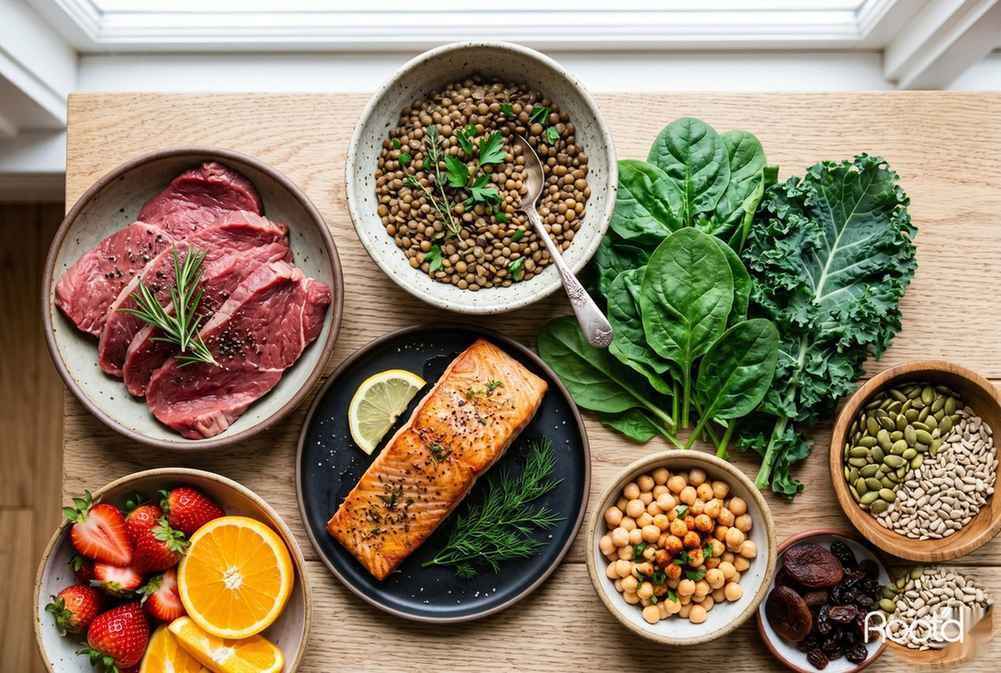
Adding iron-rich foods to your daily meals is a practical place to start if you want a natural iron boost. Lentils, beans, green leafy vegetables, fish, lean meat and iron-fortified cereals can help you meet your nutritional needs.
What is an Iron Supplement?
Iron boosting is increasing the amount of iron you get from food or from supplements, if your doctor says it’s okay. Iron is needed to make hemoglobin and myoglobin in the body, which help carry and use oxygen.
Your body needs iron to grow and develop normally and to do many important functions in your cells. Over time, not getting enough iron can lead to iron deficiency and, in some cases, iron-deficiency anemia.
Best Foods To Add To Your Diet For Iron Boost
Eating a variety of foods high in iron is one of the easiest ways to get the iron you need each day. Iron can be obtained from both animal-based and plant-based foods.
1. Meat and Fish Low in Fat
Lean beef, poultry and some types of seafood contain iron. Animal foods contain iron in the form of heme, which is usually more easily absorbed than the non-heme iron of plant foods.
For balanced lunches and dinners, fish or poultry may be included. If you do eat red meat, choose the right portions and cook it healthily.
2. Beans, garbanzo beans and lentils
Plant-based sources of iron can be helpful too, including lentils, kidney beans, chick peas and other legumes. They’re also a source of protein and dietary fiber and convenient ingredients for day-to-day meals.
Add lentils to your soups, beans with rice or chickpeas to salads. These are especially good for those on a vegetarian diet because they cost little.
Read more-Protein-Packed Grains
3. Spinach and Other Leafy Vegetables
Spinach and other dark green leafy vegetables are rich in iron and also contain vitamins, minerals and other beneficial nutrients. But the iron in plant foods is not absorbed as easily as the heme iron in animal foods.
Eat leafy vegetables with foods that contain vitamin C. That will help your body absorb more of their iron.
4.Whole grains and cereals fortified with iron
Some breads, breakfast cereals and other grain products are fortified with iron during processing. Read product labels and compare the nutritional content to find fortified products.
Oats and whole grain foods can also be part of a well-rounded diet, although their iron content is variable. Adding fruit or vegetables to grains can help make a meal more nutritious.
5. Dried fruits, nuts and seeds
Nuts, seeds, raisins and dried apricots may add iron to your diet. They can easily be added to oatmeal, yogurt, salad or snacks.
When eaten as part of a varied diet with other foods, these foods are more effective than when they are used as a single solution to low iron levels.
How Your Body Absorbs Iron Using Vitamin C
Vitamin C can increase the uptake of non-heme iron from plant foods. It’s a useful addition to meals made with lentils, beans, spinach and fortified grains.
Good sources of vitamin C are:
- Oranges, other citrus fruits
- Strawberries and Guava
- tomatoes and sweet peppers
- Vegetables, such as broccoli, with vitamin C
For example, serve lentils with a tomato salad, add sweet peppers to a dish of beans or have fresh fruit with an iron-rich meal.
You don’t need to follow a complicated diet plan. Eating a variety of nutrient-rich foods throughout the day can help you develop healthier eating habits.
Read more-Eat Fruits and Their Benefits
Simple daily habits to boost your iron intake
Eat a Variety of Iron Rich Foods
Try to vary your iron sources from one week to the next. Rotate legumes, leafy vegetables, fish, poultry, meat if desired, and fortified grains to suit your taste and dietary needs.
Variety also helps you get other important nutrients.
Pair Plant Iron With Vitamin C
If you are eating plant sources of iron, have some vitamin C rich food at the same meal. This is especially helpful for those who get most of their iron from plant foods.
Beware of Tea and Coffee
The compounds in tea and coffee can interfere with the absorption of non-heme iron when consumed with food. If you’re worried about low iron, you might want to take them between meals instead.
If you have diagnosed iron deficiency seek personalized advice from your healthcare professional.
Make Well-Balanced Meals
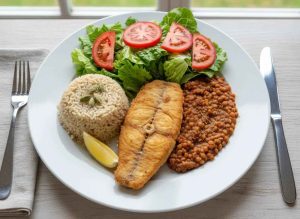
A balanced meal can provide iron, protein, whole grains, vegetables and fruit.” Lentils served with rice and vegetables and a food rich in vitamin C can be a handy everyday choice.
Signs You Might Need More Iron
Low iron levels can be caused by a number of factors including poor dietary intake, blood loss, increased nutritional requirements or problems with absorbing iron.
Iron deficiency may cause the following symptoms:
- Tiredness or weakness that doesn’t go away
• Dizziness or headache
• White skin.
• Shortness of breath with normal activities
• Difficulty concentrating
These symptoms can be caused by other things, so they are not enough on their own to confirm iron deficiency. Your health care provider may order blood tests to check your iron level and determine the underlying cause.
If symptoms continue, see a doctor instead of simply changing your diet.
Do you need iron supplements?
Iron supplements may be used to treat iron deficiency when there is a medical reason to do so. However, they are not needed by everyone and too much iron can be harmful.
If you feel tired or want an iron boost do not start high dose iron supplements. A health care professional can tell you if you need a supplement, how much to take, and how long to take it.
Keep iron supplements out of reach of children, as accidental ingestion can result in serious poisoning.
Conclusion
The first step in boosting your iron levels to health is to eat a well-rounded diet that includes iron-rich foods such as lentils, beans, leafy green vegetables, fish, lean meat and fortified cereals. Combining plant-based iron sources with foods high in vitamin C can help your body absorb iron more effectively.
Seek professional help when in doubt, and be alert for continued signs that might indicate iron deficiency. You can get good health and your body’s iron requirements through a well-rounded diet and proper medical guidance.
FAQ (Frequently Asked Questions)
1. What foods are highest in iron?
You get more iron in your diet by eating lentils, beans, lean meat, seafood, leafy green vegetables, fortified cereals, nuts and seeds. What is best for you depends on your eating habits and dietary requirements.
2. Does vitamin C help the body absorb iron?
Yes. Vitamin C helps the body to absorb non-heme iron from plant foods. Eating foods rich in vitamin C such as oranges, guava, tomatoes or sweet peppers with iron-rich meals may help improve absorption.
3. How to increase iron intake without meat?
Yup. Lentils, beans, chickpeas, tofu, nuts, seeds, leafy greens and iron-fortified foods can provide iron without meat. Eat plant sources with foods rich in vitamin C to improve absorption.
4. Does tea reduce iron absorption?
Yes. Tea contains compounds that may inhibit non-heme iron absorption when consumed with meals. If you are worried about iron deficiency , drinking tea between meals might help .
5. How will I know if I’m low on iron?
You may experience symptoms such as tiredness, weakness, dizziness and difficulty concentrating. A health-care professional can look at your symptoms and order the right blood tests.
6. Should all of us be taking iron supplements?
No. Supplements are good for iron deficiency or increased iron needs, but too much iron can be harmful. Before you take iron supplements, talk to your doctor.
7. How quickly will an iron rich diet increase the iron levels?
How long this takes depends on the cause and how bad the deficiency is. Eating a diet alone may not be enough to treat iron-deficiency anemia. Follow the advice of your healthcare professional and the testing regimen he or she recommends.




One thought on “Iron Boost: Best Foods and Tips to Improve Your Iron Intake”
Comments are closed.