
Acid Reflux Trigger Foods: What To Eat & What To Avoid
What Is Acid Reflux?
Acid reflux is when the contents of the stomach back up into the esophagus. This can make your chest feel like it is on fire (heartburn) and cause a sour or bitter taste in your mouth.
Occasional reflux is normal, but frequent symptoms may be associated with gastroesophageal reflux disease, or GERD.
Diet can play a significant role in managing symptoms. But triggers aren’t quite the same for everyone. One person may eat a food that causes symptoms in someone else and have no symptoms at all.
By learning about foods that help with acid reflux you can make meals more comfortable for yourself while still getting the nutrients your body needs.
Foods That Help Acid Reflux
There’s no one diet that works for everyone with acid reflux. However, many people find they do better with vegetable, whole grain, lean protein and lower fat-based meals.
Here are some foods that may be a good fit for an acid-reflux-friendly eating pattern.
Oatmeal and Other Whole Grain
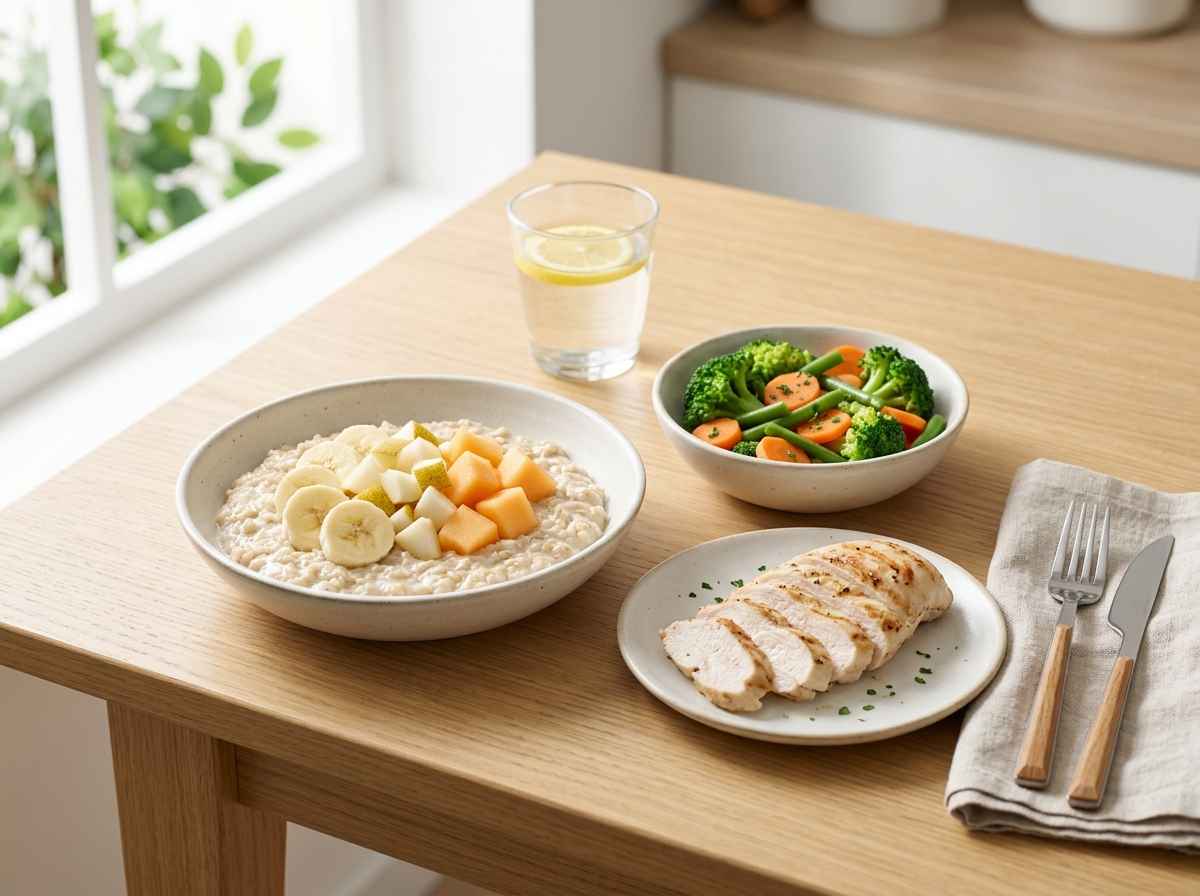
Oatmeal is a satisfying source of carbohydrates and fiber. It can be a simple breakfast option for those who find high fat or spicy breakfast foods trigger symptoms.
Other whole grains may also be appropriate depending on individual tolerance.
Try oatmeal with:
- Banana
- Pears,
- Melon
- Reduced-fat milk or other suitable alternative
- Moderate amount of Chia Seeds
If you’re sensitive to those foods, don’t pile high-fat toppings or chocolate on your oatmeal.
Bananas
Bananas are often on lists of foods that help with acid reflux because they are mild and not acidic.
They can be eaten as a snack or mixed into oatmeal and smoothies.
But the responses of individuals vary. If bananas aggravate your symptoms, try a different fruit that you tolerate well.
Watermelon
Melons, including cantaloupe and honeydew, are usually less acidic than citrus fruits.
They can provide water, vitamins and natural sweetness without the strong acidity of oranges, lemons and grapefruits.
A little bit makes a refreshing snack, especially when served with another balanced food.
4.Other fruits (not Citrus)
If acidic fruits cause heartburn, try non-citrus varieties such as:
- Pears.
- If you can stand apples
- Bananas
- Peaches Melons
How much you can take.
Veggies
Vegetables are a key component of a well-rounded diet and can provide fiber, vitamins, minerals, and antioxidants.
Many non-spicy vegetables may be good for people with reflux.
Test:
- Carrots.
- Broccoli
- Beans, green
- Cucumis sativus Cucumber
- Lettuce leaves
- Zucchinis
- Sweet Potato
- Spinach
Vegetables might be more palatable steamed, roasted or lightly cooked than if they’re heavily fried.
Protein (Low Fat)

CUsersALPHA-TECHDownloads2-oatmeal-for-acid-reflux
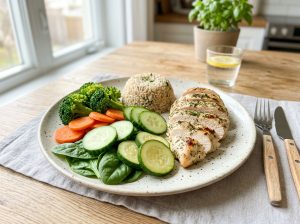
Protein is an important component of a balanced meal, but some people find that eating high fat meats can trigger reflux symptoms.
You can choose lower-fat options, like:
- chicken with the skin removed
- Turkey
- Fish
- Eggs, as tolerated.
- Beans & Lentils
Try grilling, baking, steaming or poaching instead.
Suitable Substitutes for Low-Fat Dairy
Reflux can be aggravated by high-fat dairy products for some people. If dairy is well tolerated then lower fat options might be easier to incorporate.
Some examples include:
- Yogurt with low fat
- milk, low-fat
- Cottage cheese
Those who are lactose intolerant may opt for plant-based alternatives which are lactose-free or fortified.
Ginger
Ginger has long been used to aid digestion, and can be added to food and beverages.
Some people find ginger tea soothing, but it should not be considered a treatment for GERD.
If they trouble you, avoid very strong ginger drinks.
Foods That May Cause Acid Reflux
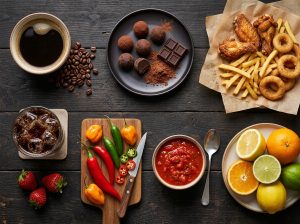
Knowing some foods that help with acid reflux is equally as important as knowing what to limit.
Typical triggers are:
- Fried foods high in fat
- Hot foods
- Chocolate.
- Coffee and other caffeinated beverages
- Alcohol.
- Mint (herb)
- Citrus fruits.
- Tomatoes and tomato products;
- Sodas
Not everyone is affected by every item on this list. Keep a food and symptom diary so you can identify your own triggers.
Fried Foods and Fattier Foods
Some people find that fried foods and meals high in fat make their reflux symptoms worse.
Examples are:
- Deep Fried Chicken
- Potato Wedges
- Snacks Fried
- Pieces of fatty meat
- Recipes with heavy cream
Try baked, grilled, steamed, or boiled foods instead.
Hot food
Some people may find chili peppers or spicy sauces to be burning or uncomfortable.
If you always get symptoms from spicy foods, cut back on the amount of chili, hot sauce and spicy seasoning you use in your food.
Instead you can add flavor with mild herbs.
Citrus fruits.
Some people find that acidic fruits such as oranges, lemons, limes and grapefruit make their symptoms worse.
If citrus troubles your heartburn, go for low-acid fruits such as bananas, pears or melons.
Tomato
Tomatoes and tomato-based sauces can be a problem for some people with reflux because they are acidic.
This means people sensitive to tomatoes may also have symptoms when eating pizza sauce, pasta sauce, salsa, and tomato-based soups.
You don’t have to eliminate tomatoes unless they are a trigger for you personally.
Chocolate
For some, chocolate can cause reflux symptoms. If you’ve ever had heartburn after eating chocolate, you might want to cut back on your consumption or choose a different snack.
Caffeine and Coffee
Coffee can worsen reflux symptoms for some people, but not everyone reacts the same way.
“If coffee seems to be a trigger, cut back on the amount you drink or switch to a lower-caffeine option and see how you feel,” says Dr.
Tea, energy drinks and cola also contain caffeine.
Carbonated Beverages
Carbonated drinks can increase the pressure in your stomach or cause bloating, which can make symptoms of reflux more noticeable in some people.
Consider swapping the fizzy drinks for still water or another drink that you can tolerate well.
Eating Habits That May Help Acid Reflux Symptoms
Food choice is just one part of reflux management. How and when you eat, could also matter.
Smaller Meals
Large meals can increase fullness in the stomach and may make reflux more likely.
If this is helpful, try eating smaller portions throughout the day instead of one big meal.
Slow Eating
Eating too fast can make it easier to overeat.
Take your time, chew food well, and pay attention to fullness.
Don’t lie down after a meal
Reflux symptoms can be worse when lying down soon after eating or going to bed.
Try to have dinner a few hours before you go to bed, if you can.
Identify your triggers (for you personally)
A food diary can help out.
“Write it down:
- What you consumed
- How much you consumed
- When you ate,
- When symptoms developed
- What were the symptoms
Patterns could become more familiar over time.
Sample Meal Plan for Acid Reflux
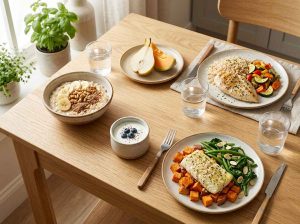
While there isn’t a universally applicable GERD meal plan, the following example shows how you can combine foods that are well tolerated by many.
Breakfast:Oatmeal with banana and a little chia seeds.
Mid-morning snack:Pear or melon.
Lunch:Grilled chicken, brown rice, vegetables, steamed cucumber.
Afternoon snack:Low-fat yogurt if tolerated.
Dinner:Baked fish, sweet potato and cooked green vegetables.
Drink:Water or another non-caffeinated beverage that you can tolerate well.
This is simply a guide, your personal requirements may be different.
Can Acid Reflux Influence Weight and Lifestyle?
If you are overweight or obese, losing excess weight may help to decrease your GERD symptoms. Weight management should be about healthy, sustainable habits, not restrictive diets.
Other lifestyle factors will also make a difference.
Helpful habits might be:
- Eating well-balanced meals
- Exercise (physical activity)
- No Smoking
- Cut down on alcohol if it makes you worse
- Avoid eating right before you go to bed
- Identifying Your Personal Food Triggers
If symptoms persist after lifestyle changes, seek advice from a health professional.
When To See A Doctor?
Occasional heartburn may be harmless, but frequent or persistent symptoms should be evaluated by a medical professional.
See a healthcare professional if you experience frequent reflux, symptoms that interfere with daily life, or symptoms that do not improve with lifestyle changes.
Seek medical attention immediately if the chest pain is severe or unusual, especially if it is accompanied by other symptoms like shortness of breath, sweating, dizziness, or pain radiating to the arm or jaw.
Other concerning symptoms are difficulty swallowing, persistent vomiting, vomiting blood, black stools, unexplained weight loss or persistent symptoms which are getting worse.
FAQ
What foods help with acid reflux?
Foods that might be easier on your stomach include oatmeal, bananas, melons, non-citrus fruits, vegetables, whole grains, lean proteins and lower-fat dairy products. What sets off each person is different.
What to avoid if you suffer from acid reflux?
Common triggers include fried or high-fat foods, spicy foods, chocolate, caffeine, alcohol, mint, citrus fruits, tomatoes, and carbonated drinks. You may not need to eliminate all of these foods.
Is banana beneficial for acid reflux?
Bananas are a non-citrus fruit and are a fairly mild fruit that may be well tolerated by many people with reflux. However, responses vary from person to person.
Is oatmeal good for acid reflux?
Oatmeal is a good breakfast option as it is high in fiber and usually bland. Opt for toppings carefully if high-fat or acidic foods aggravate your symptoms.
Are eggs bad for acid reflux?
Some people tolerate eggs well, others may have symptoms, especially with higher fat preparations. If necessary use smaller portions and cooking techniques such as boiling or poaching.
Is it okay to drink water for acid reflux?
Water is not a cure for GERD but it is important to stay well hydrated. Some people may get uncomfortable when they drink a lot of liquid very fast.
Is milk good for acid reflux?
For some people, high-fat milk may worsen symptoms. If you have any dietary requirements, you may find the lower-fat or lactose-free versions more tolerable.
Can I eat rice with acid reflux?
Rice can be a part of a well-rounded diet for many people with reflux. Mixed with vegetables and lean protein, it can be a well-balanced meal.
Does eating late at nite cause acid reflux?
For some people, eating close to bedtime can exacerbate symptoms. Eating a few hours before going to bed can help lessen nighttime reflux.
Concluding Thoughts
Finding foods that help with acid reflux is a lot more about finding what works for your particular body, not about following a rigid food list.
Many people could get used to meals centered around vegetables, whole grains, lean protein and lower-fat foods. If you notice symptoms after eating common triggers such as spicy or fried foods, chocolate, caffeine, citrus, tomatoes or carbonated drinks, you might want to limit these items.
Begin with small changes and monitor your symptoms. If you experience reflux on a regular basis or have symptoms that concern you, speak to a healthcare professional so that you can be properly evaluated and treated.




One thought on “Acid Reflux Trigger Foods: What To Eat & What To Avoid”
Comments are closed.