
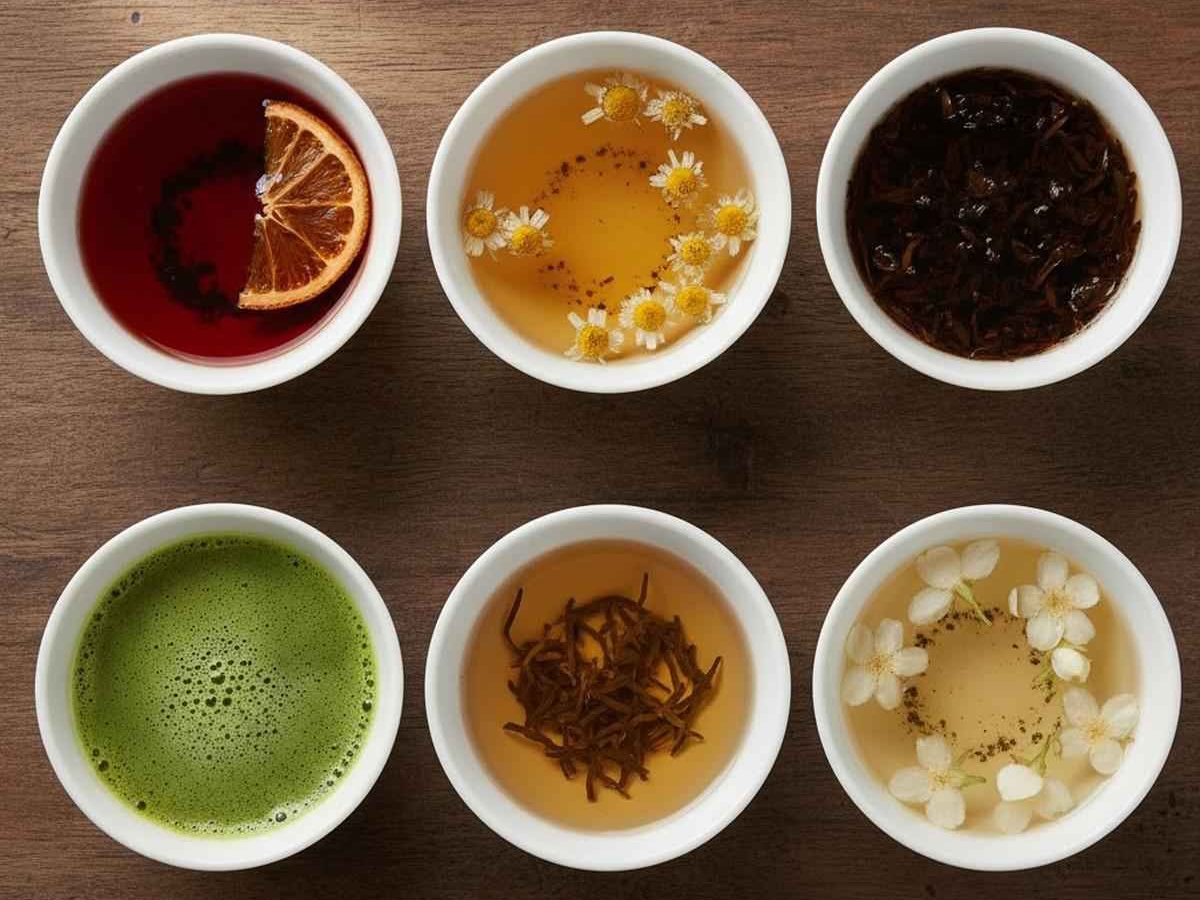
10 types of tea and Their Benefits
Introduction:
There are so many different types of tea, with a great variety of flavours, aromas and drinking experiences. Whether you prefer a refreshing green tea, a robust black tea or a calming herbal infusion, there’s a tea for almost every taste.
Tea you can drink hot or cold, with milk or with nothing in it. Some teas have caffeine and some are naturally caffeine free. It is useful to know the main types of tea to select a drink which suits your routine and your tastes.
Tea, Green
Green tea is one of the most popular teas in the world. It’s made by quickly heating the leaves of Camellia sinensis after they are picked, to reduce oxidation.
Green tea can taste fresh and grassy, or a little sweet, depending on the processing and brewing. It contains caffeine and plant compounds called catechins, such as EGCG.
Potential benefits : Green tea is a source of antioxidants and can be consumed as part of a well-rounded diet. But it should not be considered a cure for diseases or a surefire way to lose weight.
For more information, read our article on-Benefits of Green Tea
Tea black

green-tea-vs-black-tea
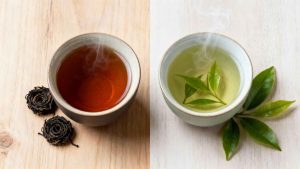
Black tea is fully oxidised, making it darker in colour and stronger in flavour than green tea. There are Assam and Darjeeling varieties and English Breakfast.
Black tea has caffeine, so lots of people drink it in the morning. You can eat plain, or with some sugar or milk.
Black tea also contains polyphenols, plant compounds that have been studied by scientists for their potential health effects.
White tea
Typically, white tea is produced from young tea leaves and unopened buds with minimal processing. It generally has a light and delicate, slightly sweet flavour.
White tea is generally the softest tea, but the amount of caffeine varies from tea type to tea type and how it’s made. It also contains natural antioxidants.
If you like a lighter taste and would prefer not to have the stronger flavour of black tea, white tea could be for you.
Oolong Tea
white-tea-and-oolong-tea
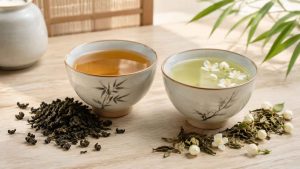
Oolong tea is partially oxidised so the taste is between green and black tea. Depending on the variety, it can be floral, creamy, fruity or roasted.
The tea, a traditional one, is especially popular in China and Taiwan. Oolong tea has caffeine, and the strength depends on the leaves and how it is brewed.
Teas of herbs
In contrast, herbal tea is not obtained by using the leaves of the Camellia sinensis plant, but is made using herbs, flowers, spices, fruits or roots.
The most popular are mint, chamomile, hibiscus and ginger infusions. Most are naturally caffeine-free but some blends could have caffeinated ingredients.
Herbal tea comes in a lot of flavours and is a nice change from sweetened drinks.
For more information, read our article on-Natural Detox Drinks
Chamomile Tea

herbal-tea-varieties
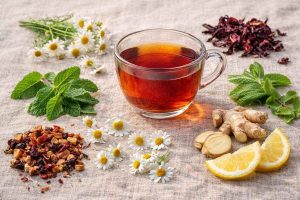
Chamomile Tea Chamomile tea is made from chamomile flowers. It has a mild floral flavour. Made from pure chamomile, it is naturally caffeine free.
Many people enjoy it as part of their evening wind down. There is some evidence that chamomile can help with relaxation, but the evidence for sleep problems is limited.
People who are allergic to plants in the daisy family should use caution.
MINTED TEA
Peppermint tea smells refreshing and tastes cool and minty. It is usually prepared by pouring boiling water over the leaves of the peppermint.
Natural peppermint tea is caffeine-free. Some people drink it after meals because of its refreshing flavour, although it may aggravate acid reflux in some people.
For more information, read our article on-Alcoholic drinks
Ginger Tea
Ginger tea is made by steeping fresh slices of ginger root or dried ginger in hot water. The taste is warm and spicy and can be adjusted with lemon or honey.
Ginger has been studied for possible relief from some kinds of nausea. Individual results will vary. Ginger tea is not a substitute for medical attention when needed.
Hibiscus Tea
The hibiscus plant’s bright-coloured calyxes are used to make hibiscus tea. It is a deep red colour and has a natural tart, fruity flavour.
It can be served warm or cold. Hibiscus preparations may lower blood pressure, but studies have had mixed results, and it may interfere with blood pressure medications. Please consult your healthcare professional if you are taking medication or have a medical condition.
Matcha
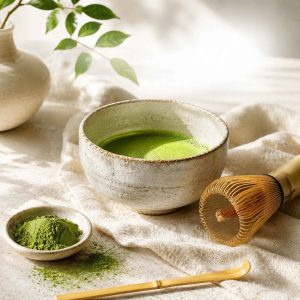
Matcha is a powdered green tea that is traditionally used in the Japanese tea ceremony. Drinking matcha means you are drinking the whole tea leaf, ground up and suspended in water, not an infusion as you would get from regular green tea.
It is chock-full of caffeine and antioxidants and has a strong grassy flavour. Matcha can be prepared with water or added to milk to make a latte.
Matcha may have more caffeine per serving than some typical brewed green teas because you are drinking the entire leaf.
For more information, read our article on-Lemon Ginger Water
Choosing the Right Type of Tea
Which tea to go with depends on your taste, your preference for caffeine and your daily habits.
If you want a refreshing drink, you could try green tea or mint tea.
If you want a stronger flavour: Choose a black tea or a roasted oolong.
For something lighter, go with white tea.
If you want a caffeine-free evening drink, try pure chamomile tea or ginger tea.
If you want a cold drink: Brew hibiscus tea, serve on ice.
Drink tea but don’t put too much sugar, to keep a good diet. Read the ingredients on blended teas and understand that people vary in their sensitivity to caffeine.
Frequently Asked Questions
What’s the healthiest tea?
There is no one healthiest tea for everyone. Green, black, white and herbal teas can all be part of a balanced lifestyle. It is contingent upon your preference, caffeine tolerance and health requirement.
What types of tea contain no caffeine?
Most pure chamomile, peppermint, hibiscus and ginger infusions are naturally caffeine free. Always check the ingredients because some blends have black, green or other caffeinated teas.
Which is better: black tea or green tea?
Nor does either one work best for everyone. Green tea and black tea contain different amounts and types of plant compounds and different amounts of caffeine. Both can be included in a healthy diet.
Can I drink tea every day safely?
Tea is drunk by many people each day. Keep your total caffeine and added sugars to a minimum. For any questions you may have regarding a medical condition or treatment with herbal products, consult a physician or other qualified health provider.
Summary
There are many different types of tea each with its own flavour, aroma and caffeine level. Green, black, white and oolong teas all come from the traditional tea plant, while herbal varieties offer alternatives made from flowers, leaves, roots and spices.
Try different types and see what works for your taste and schedule. Another simple way to enjoy a flavoured drink is to choose unsweetened tea and maintain a balanced lifestyle.




2 thoughts on “10 types of tea and Their Benefits”
Comments are closed.