
Diet for diabetic – What To Eat, What To Avoid
Diabetic Diet: Foods to Eat and Foods to Avoid for Healthy Blood Sugar
What is a diabetic diet?
The diabetic diet is a healthy eating plan that is used to manage blood sugar and stay healthy. “It is not about strict food restrictions, but about eating good foods in moderation and at regular intervals.”
A good diabetic diet can include vegetables, fruits, whole grains, lean proteins, healthy fats and high fiber foods. The best meal plan will vary greatly depending on a person’s health needs, medications, activity level and food preferences.
The aim is to develop sustainable eating patterns that can aid in blood sugar management and provide sufficient energy and key nutrients.
Top Foods to Eat on a Diabetic Diet
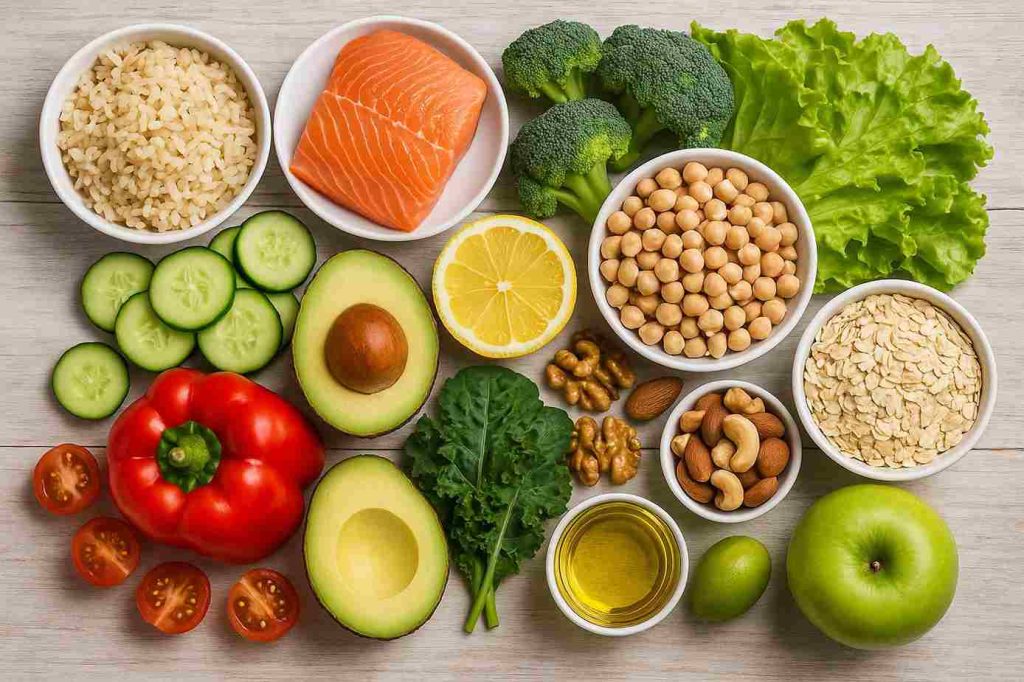
Eating foods rich in nutrients may help support blood sugar management and overall health.
For more information, read our article on-Healthy Green Foods and Their Benefits Green Food
Non-starchy vegetables
Spinach, broccoli, cauliflower, cucumber, cabbage, and bell peppers are among the vegetables which provide you with fiber, vitamins and minerals. They are generally lower in carbs than starchy veggies.
Add a variety of colorful vegetables to your lunch and dinner to increase their nutritional value.
Whole grains and foods with high fiber
Oats, barley, whole-wheat bread and brown rice supply carbohydrates, fiber and other nutrients. Fiber slows the digestion process and helps to keep blood sugar responses more stable.
Whole grains are still carbs, and the size of the serving still matters. Pick portions that fit your personal eating plan.
Lean Protein Sources
Protein: Eggs, fish, skinless chicken, tofu, beans and lentils can be included in a balanced meal. And it’s good for keeping muscles and fullness up too (thanks protein).
Swap out some of your weekly meals with convenient options like fish, beans and lentils.
Fats that are good for you
Unsaturated fats include nuts, seeds, olive oil and avocado. They can help the heart if eaten instead of foods high in saturated fat.
Fats are good for you, but they pack a lot of calories, so use them in moderation.
Fruit (whole)
Diabetic diet can include fruits like apples, oranges, berries, pears and guava. Whole fruits are a source of fiber, vitamins and minerals.
Choose whole fruit rather than fruit juice. Fruit juice contains less fiber and is easier to drink in larger quantities, which can cause blood glucose to rise more quickly.
Diabetes diet: Foods to avoid

A diabetic diet does not mean that everyone has to avoid the same foods altogether. But, restricting some options may help to control your blood sugar more easily.
Added sugars and sugar-sweetened beverages
Regular soda, sweetened tea, energy drinks or sugary fruit drinks can quickly raise blood glucose. Drink water or drinks without sugar more often.
Processed carbohydrates
Many refined cereals for breakfast, pastries, large portions of white rice and white bread can be lower in nutrients and lower in fiber than wholegrain alternatives.
You don’t have to quit these foods cold turkey. Watch the portion size and balance it with vegetables and protein.
Highly Processed and Deep Fried Foods
Eating highly processed snacks, fried foods, and foods that are high in sodium or saturated fat on a regular basis can negatively impact heart health. Choose baked, steamed or grilled options more often.
How to Plan Balanced Meals

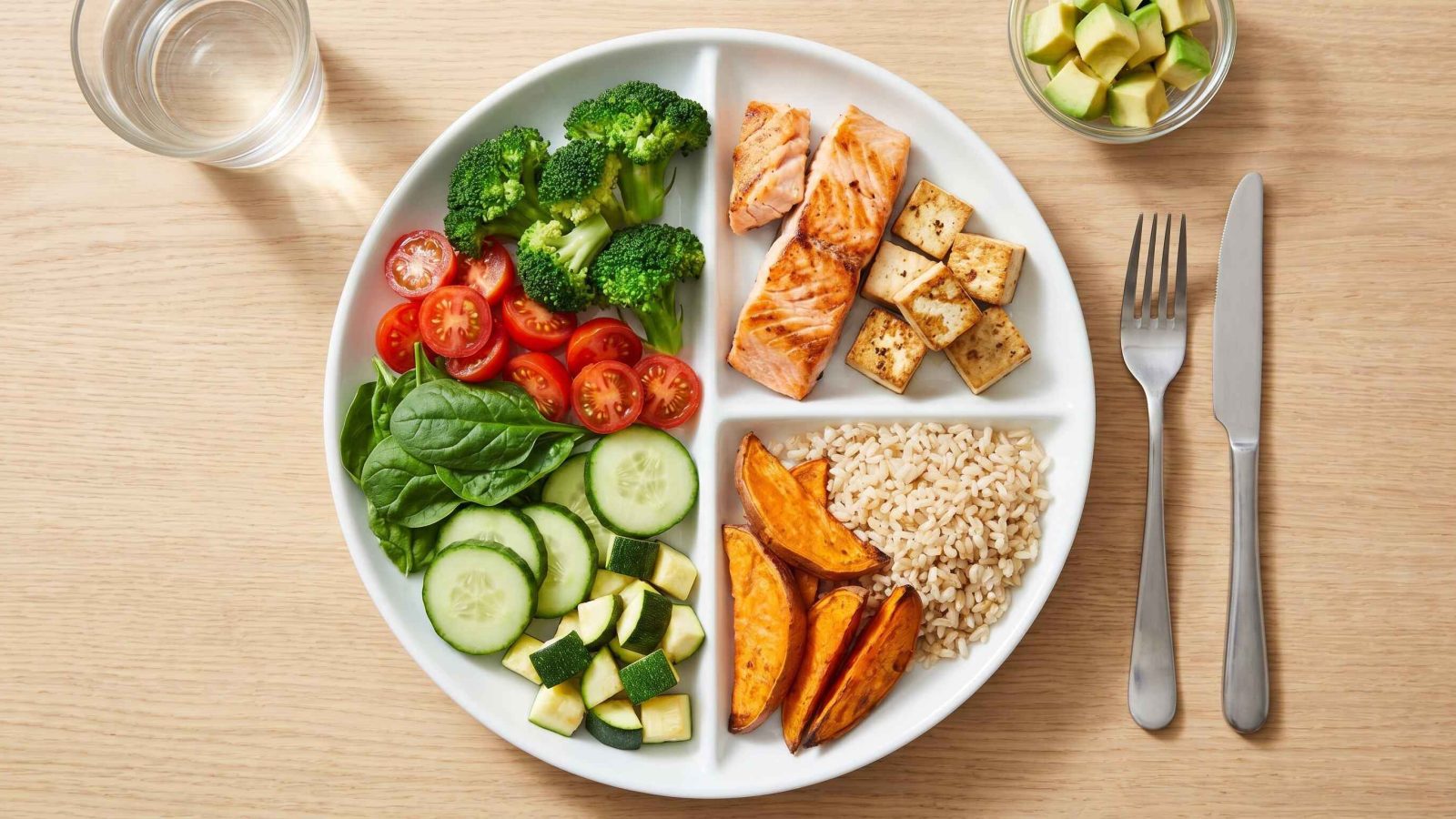
A simple way to make eating healthy easier meal-planning. The diabetes plate method is a good first step for many.
- Half a plate: Leafy greens, broccoli or cucumber and other non-starchy vegetables.
- 1/4 of the plate: Lean protein such as fish, chicken, eggs or tofu.
- One fourth of the plate: Starchy vegetables, whole grains, beans or carbohydrate rich foods such as brown rice
Add water or an unsweetened drink. Adjust the portions to fit your dietary needs and your doctor’s advice.
You could try oatmeal with nuts and whole fruit for breakfast. Lunch: Fish and vegetables with a measured portion of rice. Dinner: Lentils or chicken with vegetables and grains.
For more information, read our article on-Lemon Ginger Apple Cider Vinegar Drink: Benefits & Safety
How to Eat for a Diabetic Diet
Consistency and flexibility are key to forming healthy eating habits.
- Eat lots of different healthy foods.
- Look at the sizes of your carb portions. Read food labels.
- Trade sugary drinks for water.
- 1. Add high-fiber foods to your meals.
- Plan your meals ahead to make better choices.
- Ask your health care provider how often you should check your blood sugar.
- If you take insulin or medicines that can lower your blood sugar, talk with your care team about when to eat.
A Registered Dietitian or qualified health care professional can help you create a plan that fits your needs, culture, budget and treatment.
FAQs Frequently Asked Questions
What is the best diet for diabetics?
The best diet is one that takes into account blood sugar management, overall health and individual nutritional needs. Many of them thrive on vegetables, whole grains, lean proteins, healthy fats and the right amounts of carbohydrate.
Can diabetics eat rice?
Yes . Rice can be a part of a balanced diabetic diet. It’s about portion size, preparation and what you eat it with. You can add vegetables and protein to rice to make it more complete.
Can Diabetics Consume Fruits?
Yeah. Most fresh fruits can be part of a diet-friendly eating plan for diabetes. Portion size matters and whole fruit is generally a better option for every day than fruit juice.
Are all carbohydrates to be avoided by people with diabetes?
No. Carbohydrates are found in fruits, grains, beans, milk, and many other healthy foods. Not all carbohydrate is to be avoided . The quantity and type of carbohydrate should be individualized.
Does a diabetes diet replace diabetes medication?
Nope. A healthy eating plan can help you manage diabetes but it does not replace prescribed medicine. Always talk with your healthcare provider before you change your treatment.
Final Thoughts
Balanced diabetic diet can help with blood sugar control, heart health and wellbeing. Forget the crazy food restrictions and focus instead on vegetables, high fiber carbohydrates, lean proteins, healthy fats and right sized portions.
Small, steady changes can make healthy eating easier over time. For individual advice please consult a qualified healthcare professional or a registered dietitian.




One thought on “Diet for diabetic – What To Eat, What To Avoid”
Comments are closed.