
6 Essential Vitamins for Strong Bones and Joints
6 Vital Nutrients for Strong Joints & Bones: Vitamins.
Your bones and joints are essential for movement, balance and physical activity in everyday life. Your bones give your body shape and protect your vital organs. Joints let you bend, walk, stretch, and do the things you need to do every day. A good diet can help support both through life.People ask, “What are the best vitamins for strong bones and joints? A range of vitamins and minerals are involved in bone development, calcium absorption, normal muscle function and the maintenance of connective tissues. A balanced eating pattern provides vital nutrients such as vitamin D, vitamin K, calcium, magnesium, vitamin C and phosphorus.
No one nutrient will keep bones healthy or prevent joint problems, but getting enough of the important ones can help keep your musculoskeletal system in good shape. In this guide, you’ll learn the benefits of these foods, where to find them, and how to use them in your daily meals in a practical way.
Why are vitamins and minerals important for your bones and joints?
All the time bones are breaking down and being rebuilt; they are living tissue. They need the right nutrients to keep them strong and whole. Joints also need healthy cartilage, connective tissues, muscles and other structures to work properly.
There are many ways that a nutrient-rich diet can support these processes:
- contributes to normal bone mineralization.
- Facilitates absorption and utilization of calcium.
- Helps support the formation of collagen and connective tissues.
- Supports normal muscle function and movement.
- Assists with the general health of your skeleton as you age.
“Generally, you want to start off with a range of nutrient-dense foods. Supplements can help some people with deficiencies or higher nutritional needs, but not everyone needs to supplement.
Calcium absorption Vitamin D

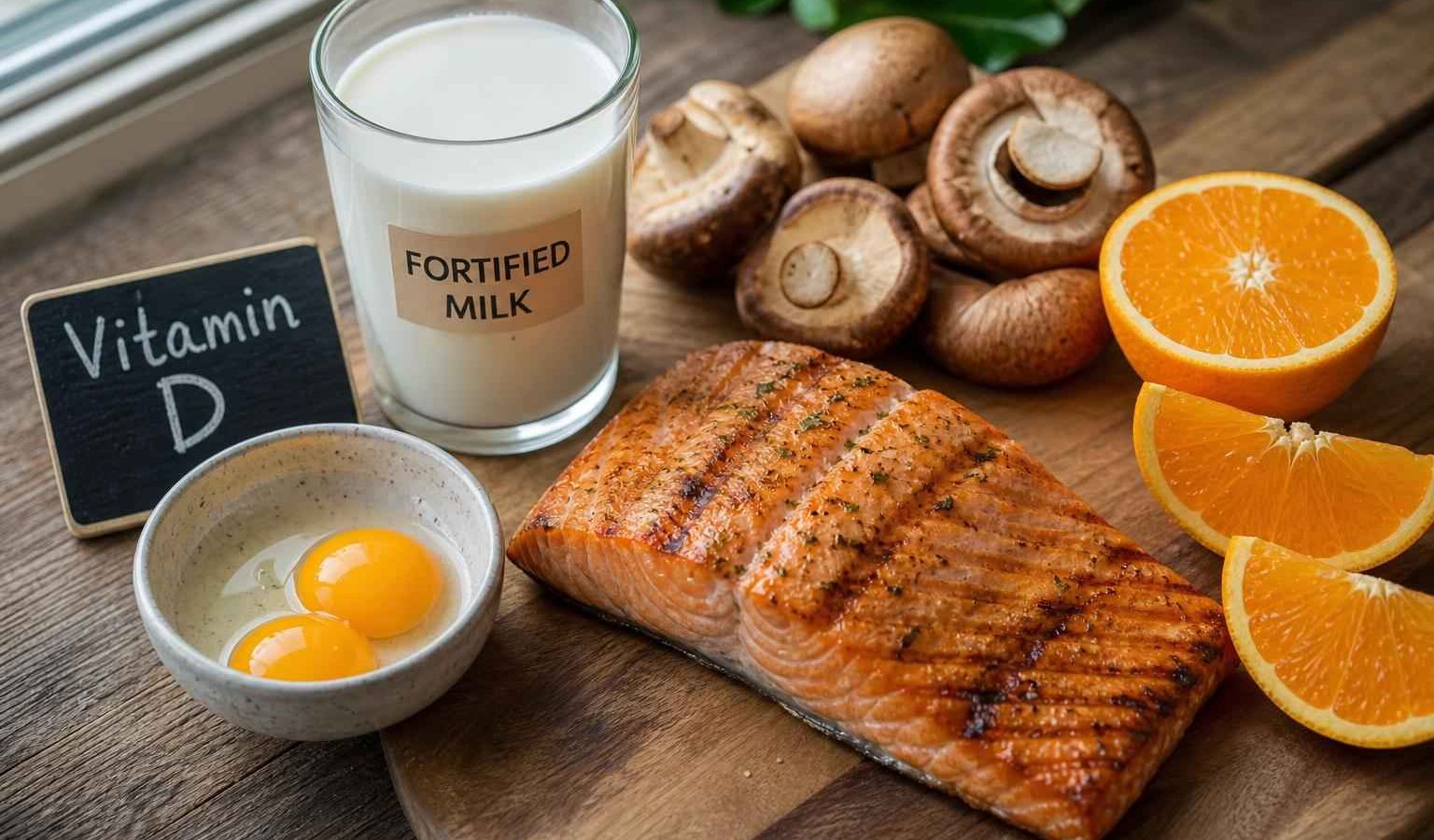
vitamin-d-food-sources-for-bone-health

Vitamin D is one of the important nutrients for bone health as it helps the body absorb calcium from food. If there is not enough vitamin D, the body cannot keep normal amounts of calcium and phosphate, both of which are needed for the formation of bone.
Severe vitamin D deficiency leads to rickets in children. In adults it may cause osteomalacia, a disease in which the bones become soft.
Vitamin D Food Sources
Vitamin D is naturally present in a few foods, including:
- Salmon, sardines and other fatty fish.
- Yolks, eggs.
- Fortified milk and nondairy drinks. Vitamin D.
- Breakfast Cereals, fortified
- Some mushrooms in UV light.
Sunlight helps your body make vitamin D. How much vitamin D your body makes depends on how dark your skin is, where you live, the time of year, what you wear and how much sun you get.
Eat foods high in vitamin D and foods fortified with vitamin D to support your bone health. If you think you may be deficient, consult with a health care professional before taking high doses of supplements.
For more information, read our article on-Easy & Healthy Whole 30 Snacks
Calcium for Healthy Bones and Teeth

calcium-rich-foods-for-strong-bones
Calcium is an important mineral for bones and teeth. And your body uses it for muscle contraction, nerve signaling, and other important things too. If dietary intake is insufficient, calcium is taken from the bone tissue to maintain normal blood calcium levels.
Adequate calcium intake throughout life helps to support normal bone development and maintenance.
Foods to Add That Are High in Calcium
Good sources of calcium include
- Milk, yogurt and cheese.
- Plant Based Beverages Fortified with Calcium.
- Tofu set with calcium.
- Sardines or canned salmon with bones you can eat.
- Leafy green vegetables, such as kale and bok choy.
The amount of calcium absorbed varies by food. Spinach, for instance, contains calcium, but the body can only absorb so much because of the oxalate.
Aim to eat a variety of calcium-rich foods rather than just one food or supplement. Those who do not eat dairy can still get calcium from fortified products and suitable plant foods.
Vitamin K for Correct Bone Metabolism

Vitamin K for Correct Bone Metabolism

Vitamin K helps the body produce proteins that are needed for blood clotting and bone metabolism. One of these proteins, osteocalcin, needs vitamin K to work properly.
Vitamin K is found in leafy green vegetables and some other foods. Although it is involved in normal bone physiology, there is no evidence that extra vitamin K prevents fractures or joint disorders.
Vitamin K foods
Include foods like:
- Spinach .
- Kale. .
- Broccoli .
- Cabbage.
- Other green leafy vegetables.
Eating different foods, including vegetables, can provide vitamin K along with fiber and other important nutrients.
Important: If you take warfarin or some other anticoagulant medicines, talk to your health care professional about your vitamin K intake. Consistency with vitamin K intake may be important to be able to manage treatment safely.
For more information, read our article on-Healthy Green Foods and Their Benefits Green Food
Magnesium for Bones & Muscle Function

magnesium-rich-foods-for-bone-and-muscle-health
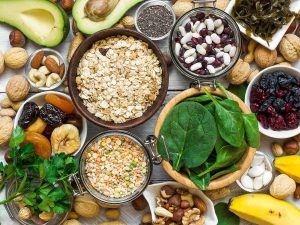
Magnesium takes part in hundreds of processes in the body, including normal muscle and nerve function. It also helps to build bone structure and regulate the processes involved in calcium and vitamin D metabolism.
Getting enough magnesium is important for good health, but if you already get enough magnesium, taking extra won’t help your joints feel better or make your bones stronger.
Top Food Sources of Magnesium
Magnesium rich foods include:
- Almonds, pumpkin seeds.
- Legumes: Beans And Lentils.
- Whole grains such as oats.
- Spinach and other greens.
- Peanuts and nuts of other kinds.
One way to boost magnesium intake is to add nuts, seeds, legumes and whole grains to your regular meals. If you are thinking about taking a supplement, ask a healthcare professional how much you should take, especially if you have kidney disease or take medication.
For more information, read our article on-Protein-Packed Grains to Add to Your Diet
Vitamin C and Collagen Production
vitamin-c-foods-for-collagen-production

Collagen requires vitamin C for its production. Collagen is a major structural protein in cartilage, tendons, ligaments, skin and other connective tissues. Vitamin C also functions as an antioxidant and helps the body absorb iron from plant foods.
Adequate vitamin C helps normal connective tissue formation, but don’t think of it as a cure for arthritis or other joint problems.
Foods high in vitamin C
Try to add these foods to your diet:
- Citrus fruits such as oranges.
- Guava.
- Strawberries. Kiwi. Bell peppers.
- Broccoli and tomatoes.
Vitamin C is best obtained from fresh fruit and vegetables. Eating a variety of fresh or lightly cooked produce can be helpful, as the vitamin can be lost with prolonged cooking and storage.
For more information, read our article on-Quick & low carb meal For Healthy Daily Eating
Bone structure phosphorus
Phosphorus is a mineral that works with calcium to develop the mineral structure that gives bones and teeth much of their strength. It is also involved in energy production and in normal cellular activities.
Most people have sufficient phosphorus in their diet. More isn’t always better, and too much phosphorus can be an issue for people with certain kidney conditions.
Foods high in phosphorus
Some common sources are:
- Milk and yogurt.
- Fish, fowl.
- Eggs .
- Pulses and beans.
- Nuts & Whole Grains.
A well-balanced diet usually supplies enough phosphorus. Most healthy people do not require a phosphorus supplement unless a healthcare professional determines a specific need.
Additional Support for Bone & Joint Health
Choosing the best vitamins for strong bones and joints is just one part of a healthy musculoskeletal system. Even everyday habits count.
Eat a Healthy Diet
Combine vegetables, fruit, whole grains, foods high in protein and foods with calcium. Getting enough protein helps you keep your muscles and normal tissue maintenance.
Be Physically Active
Weight-bearing exercise such as walking and dancing is good for bone health. Age-appropriate strength exercises can help build and maintain muscles that support movement and functioning in joints. Choose activities which suit your abilities and then increase your activity level slowly.
Healthy Lifestyle Practices
Don’t smoke. Limit your alcohol intake. Get regular, adequate sleep. These habits contribute to overall health and can help promote good nutrition.
Get Medical Help for Continued Symptoms
If you have ongoing joint pain, joint swelling, trouble walking or unexplained bone pain, get it checked out by a professional. Nutrition alone can not address causes for these symptoms.
Are Supplements vitamins for strong bones and joints?
Not all need vitamin or mineral supplementation. A well-rounded diet is the best place to start, but supplements can be appropriate when dietary intake is insufficient, a deficiency is identified or a healthcare professional recommends it.
“Some nutrients can be harmful in excess. Too much vitamin D can cause dangerously high levels of calcium, and in some people, too much calcium supplementation can increase the risk of kidney stones.
Always seek the advice of a qualified health professional before taking any supplement. Talk about your diet, medical history and medications. Do not use supplements in place of medical evaluation and/or treatment.
FAQ (Frequently Asked Questions)
1.Vitamin D is the most important vitamin for bone health.
Vitamin D is especially important because it helps the body absorb calcium. But healthy bones also need enough calcium, protein and other nutrients.
- Are vitamins good for joints?
Adequate vitamins and minerals help maintain normal connective tissue, muscles and overall health. But supplements aren’t guarantyd to relieve joint pain or treat arthritis.
What are good foods for bones and joints?
Helpful nutrients are found in dairy products or fortified substitutes, leafy green vegetables, fatty fish, eggs, legumes, nuts, seeds and fruits high in vitamin C.
Can I get enough bone-building nutrients from my food?
Many people can satisfy their nutritional needs through a varied, balanced diet. Supplements may be necessary due to dietary restrictions, a diagnosed deficiency or certain medical conditions.
Do you need calcium to keep your bones strong?
No. Calcium is important, but vitamin D, protein, physical activity and other nutrients are also important for bone health.
When should I see a health care provider?
If you have ongoing joint pain, swelling, unexplained bone pain, frequent fractures, or have a concern that you might have a nutrient deficiency, get advice. A professional can identify possible causes and recommend proper care.
Summary
Getting enough of the vital nutrients is an important part of keeping your bones, muscles and joints healthy. Vitamin D helps your body absorb calcium. Calcium and phosphorus help build the structure of your bones. Vitamin K helps your bones to metabolize normally. Magnesium helps your muscles to work. Vitamin C helps make collagen.
The best approach to get the vitamins for strong bones and joints is to eat a varied diet, to be physically active and to correct nutritional deficiencies when necessary. Supplements can help in some cases, but more isn’t better for your body. Talk to a qualified health professional for tailored advice, especially if you have ongoing symptoms or concerns about your bone health.




2 thoughts on “6 Essential Vitamins for Strong Bones and Joints”
Comments are closed.