
Deep Breaths Exercises : 7 Benefits
7 Benefits of Deep Breaths Exercises
It’s simple to pause during a hectic day and breathe slowly and deeply. Busy with work, school, family or everyday life? Focus on your breath, feel more grounded and centered. You don’t need any special equipment and you can do deep breathing exercises at home, work or anywhere you feel comfortable.
Breathing is a natural process but if you slow down and breathe gently and consciously you can relax. Deep breathing is a technique used in relaxation, stress management and mindfulness. It’s not a miracle cure, but it can be a useful part of a healthy lifestyle.
This guide explains what deep breaths are, how they work, what they might do for you and how to do easy breathing exercises safely.
What is deep breathing ?
Fast and shallow breathing does not expand the lungs as much as slow and deep breathing does. Breathe in slowly into the belly, not quickly into the upper chest, and breathe out on the out breath.
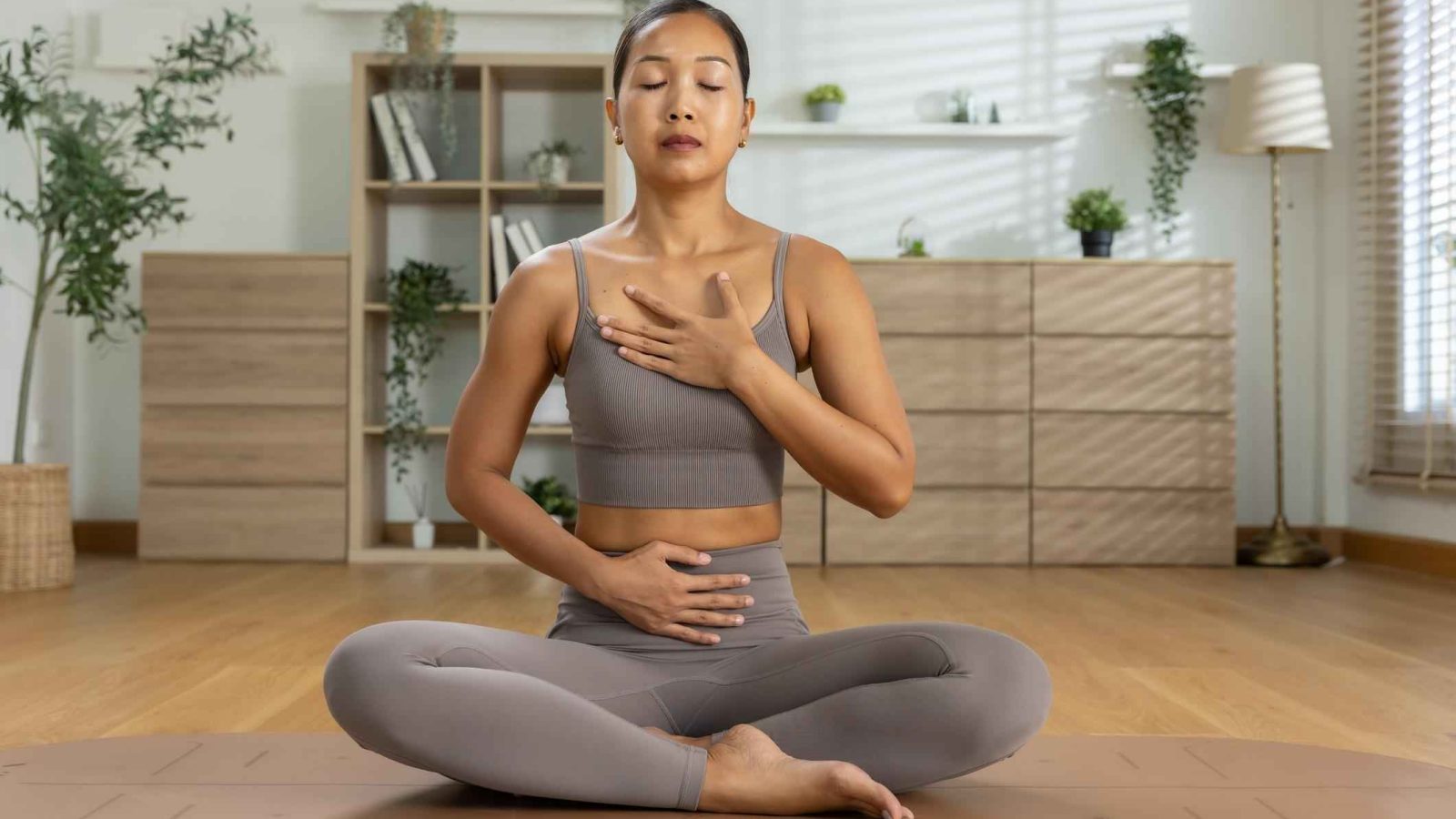
This type of breathing is commonly called diaphragmatic or belly breathing, because it engages the diaphragm, the body’s primary breathing muscle. It is not about taking the biggest breath. Rather, concentrate on breathing easy and comfortable, do not force the movement.
Take a few minutes to breathe deeply. Just a moment of stillness will draw your attention away from distractions and into the present.
Read more article –Simple Ways to Feel Calm,stress-reduction-methods
7 Ways Deep Breathing Works for You
Assists in Managing Daily Stress

deep-breathing-for-stress-management

Stress is normal in difficult times, but ongoing stress can affect your mood, your ability to concentrate and your day-to-day functioning. When you are in a stressful moment, slow, controlled breathing can help your body kick in its relaxation response.
A few deep breaths before a presentation, during a study break or at the end of a hard day. You can also add other healthy habits, like regular movement and enough sleep, to your breathing to help you feel less stressed overall.
Assists You to Relax
Deep breaths are a little moment of quiet relief from the pressures of the day. Feel the rhythm of your breathing. This can help you to be a bit calmer and less distracted.
Get comfortable, relax your shoulders and breathe in and breathe out. Don’t force your breath or aim for a specific feeling. Everyone finds different ways to relax that work for them so give yourself time to work out what works for you.
Focusing, Sharply

deep-breathing-focus-mindfulness
Constant notifications, busy schedules and competing responsibilities are many things vying for your attention that can make it difficult to focus. Any break in the breath is an opportunity to stop and come back to the task.
Before beginning an intense activity, sit still for a moment and take a few natural breaths. If your mind drifts, bring your attention back to your breath. This simple mindfulness exercise will help you notice distractions and come back to what matters to you.
Read more article –Best Upper Back Stretches For Relief & Flexibility
Could Prepare You For Bed
deep-breathing-before-bedtime
Relaxing bedtime routines can help you transition from your day’s activities to sleep more easily. That routine may helpfully include some gentle deep breathing, especially if you pair it with dim lights, a comfortable bedroom, and a regular sleep schedule.
Try to slow your breathing and get into bed. Feel your belly moving gently and allow your body to find its natural place to settle.
Deep breathing may not be the answer for better sleep, and ongoing sleep problems may need more help from a health care professional.
Enhancer of mindfulness
Mindfulness is paying attention to what’s going on right now, without judging or rushing to judge your thoughts or feelings. Breath is a good anchor because it’s always there.
Intentionally breathe and note the air moving into and out of your lungs. Notice the thoughts if they come up, and then redirect your attention to the breath.
With regular practice, you will become more aware of your reactions to everyday situations. You can combine this with other types of mindfulness work, such as a walk in the woods or a few minutes of meditation.
Improves your awareness of your breathing
When people are rushed or nervous, they breathe faster. If you are aware of your breathing you can notice when your breathing is fast, shallow or uncomfortable.
The more you practice, the more you’ll get good at seeing these patterns and knowing when to slow down. You can practice comfortable awareness of breathing during breaks or quiet times.
Deep breathing is NOT a substitute for medical attention if you have chronic problems with breathing, or don’t know why you’re short of breath.
Read more article –Workout Burns More Calories Than Running
Easy to Incorporate into a Healthy Lifestyle
daily-deep-breathing-routine
The good thing about deep breathing is that it’s easy to add to your day. You don’t need a gym membership, expensive equipment, or lots of free time.
You can do this when you wake up, at lunchtime, before you study, or as part of your evening routine. In addition to your usual physical activity, healthy meals, social connection and sufficient sleep, you can include breathing exercises as part of your daily routine to help support your overall well-being.
How to Do Deep Breathing The Right Way
Start with a simple breathing exercise for a few minutes.
Step 1: Get settled in
Make yourself comfortable, either sitting or lying down. Relax your shoulders, loosen clothes that may restrict breathing.
Step 2: Rest your hand on your stomach
If you are comfortable, place one hand on your belly and one hand on your chest. It helps you to be aware of how your body moves when you inhale and exhale.
Step 3. Breathe in slowly through your nose
Try to breathe in through your nose. Allow your stomach to expand naturally, without taking a big breath or pulling your shoulders up high.
Step 4: Breathe out slowly.
Breathe out gently through the mouth or nose, whichever is easier for you. Exhale all the air from your lungs, let your stomach go soft.
Step 5: Keep it at a comfortable pace
Repeat for 1–5 minutes or until comfortable. Now you can stop taking deep breathes. No need to hold your breath.
If you feel dizzy, uncomfortable or more anxious stop the exercise and go back to your normal breathing. However, if your symptoms persist, you should see your doctor.
Read more article –Walking With Weights: How to Begin, Benefits & Tips
Try These Different Deep Breathing Techniques Abdominal Breathing
Belly breathing is a breathing exercise that involves gently moving your stomach as you inhale. For those new to the practice and want to become more aware of their breathing patterns, this is a good start.
Breathe in slowly and gently
Gently inhale and exhale your breath in a relaxed, unforced manner. You can count silently if you need to, but don’t worry about counting a certain number of seconds.
awareness of breathing
Simply sit and watch each natural breath. If your mind drifts away, just bring your attention back to the next breath that goes in or out.
Use whatever technique you are most comfortable using. Not every method works for everyone and you do not have to use several techniques in one session.
When Is the Best Time to Do Deep Breathing Exercises?
There is no best time to perform deep breathing exercise. The best time is your own schedule and your own preferences.
Some options include:
Morning. Start your day with a short breathing exercise.
During work or study: Pause between tasks to relax and refocus.
When things get tense: If you start to feel tension building, try to breathe gently.
Bedtime: Incorporate some relaxing breathing into your bedtime wind-down.
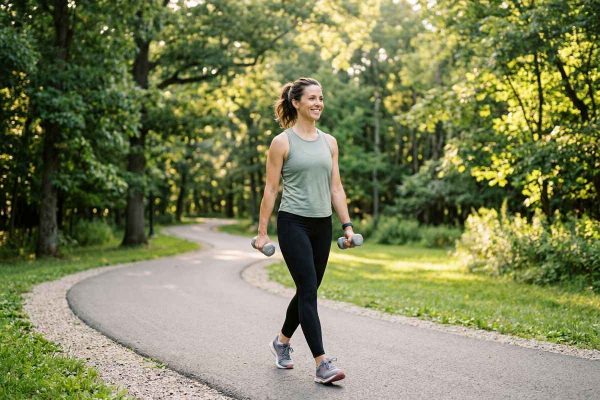
After the walk: Relax and settle yourself comfortably, allowing your breathing to return to normal.
It’s not so much a timetable as it is a consistency thing.” 4. Begin with a few minutes and make your routine as you feel comfortable.
Common Mistakes to Avoid with Deep Breathing
“You should be able to take deep breaths, effortlessly.” “Quit breathing deeply, cramming air into your lungs, or holding your breath too long.
Don’t judge your practice by whether or not you’re completely relaxed. It’s common for your mind to drift, and you may not see a change in your mood right away.
If concentrating on your breath makes you more anxious or distressed, then stop and do something else to ground yourself, like noticing things around you or going for a gentle walk.
If you have a medical condition or other medical concerns, ask a healthcare professional about whether a particular breathing exercise is right for you.
Deep Breaths FAQs
What are the benefits of deep breathing?
Easy, relaxed breathing can help you cope with everyday stress, relax, pay mindful attention, and take a calming breather in a busy day. Results vary from person to person.
How long should I do deep breathing for (in minutes)?
For beginners, comfortable breathing can begin from one to five minutes You can also increase the time gradually as per your needs without forcing your breath or continuing if you feel uncomfortable.
Can deep breathing help to reduce stress?
For some, deep breathing is a method of managing stress in daily life that encourages slower, more relaxed breathing patterns. This is most effective when part of a wider approach to wellbeing.
Is it helpful to take deep breaths before sleeping?
Relax with gentle breathing, one part of a routine bedtime ritual. but it does not guaranty sleep and if sleeping problems continue professional help may be needed.
Is it OK to take deep breaths every day?
For most healthy people gentle breathing exercises are possible. Do not breathe in too deeply or hold your breath for too long. If you feel dizzy, uncomfortable or more anxious stop.
What if I feel dizzy when I am breathing deeply?
Stop doing the exercise and allow your breathing to return to normal. Don’t try to push yourself on. If the dizziness lasts, comes back or is associated with other scary symptoms, see a doctor.
Conclusion
Taking deep breaths is an easy way to stop and pay attention to the here and now, and to help you relax in your everyday life. Get comfortable and take a few minutes to breathe softly. You are able to establish a practice that fits into your daily life.
Begin slowly, don’t push your breath and select a technique that you’re happy with. “Breathing exercises, good sleep habits, regular movement, balanced nutrition and professional support when needed can all contribute to lasting well-being.


One thought on “Deep Breaths Exercises : 7 Benefits”
Comments are closed.