
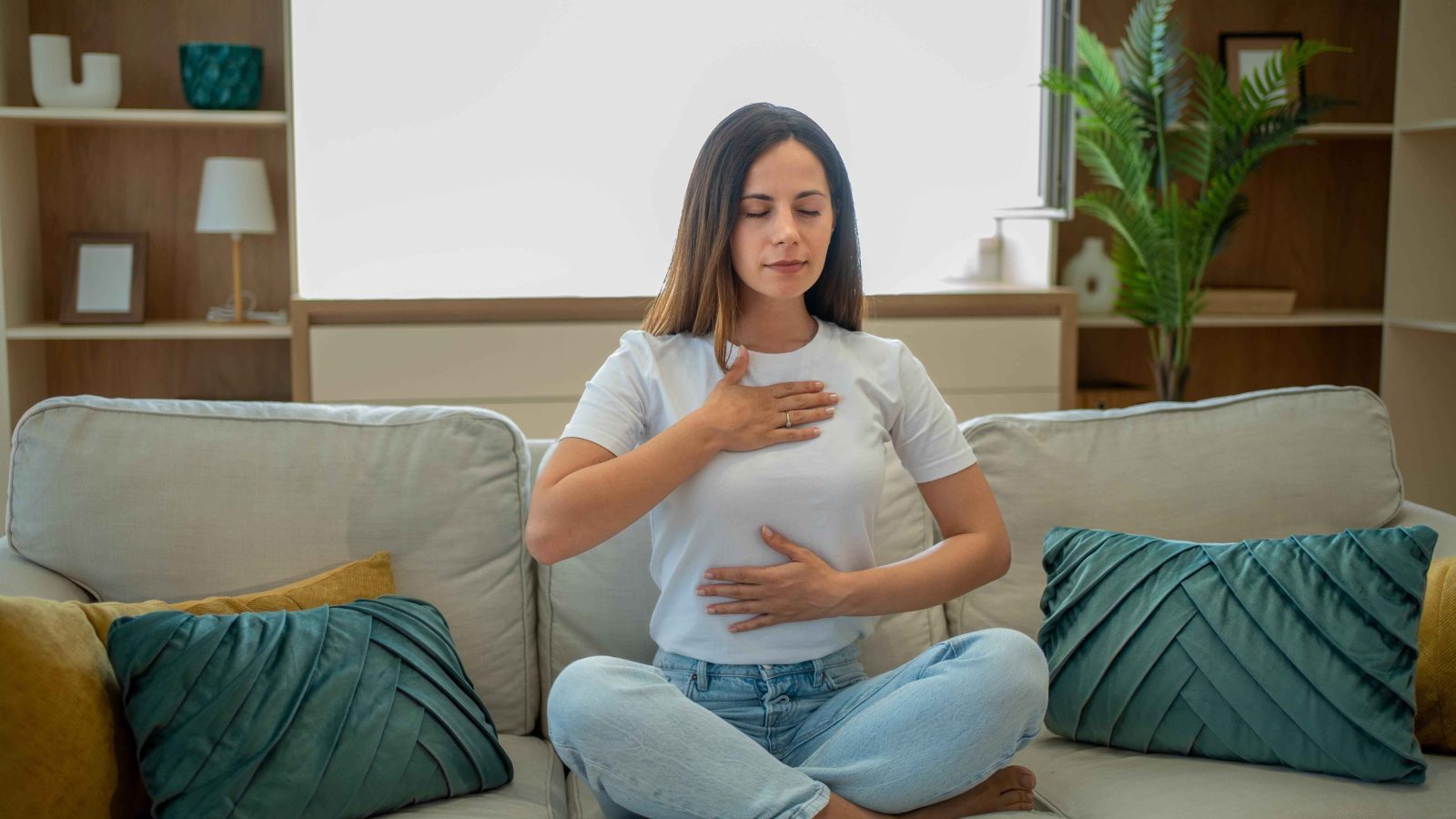
10 Simple Ways to Feel Calm,stress-reduction-methods
Stress-reduction-methods : 10 Simple Ways to Feel More Relaxed Daily
Stress is part of life. Sometimes life can be overwhelming with work, school, family commitments, money worries and the challenges of everyday life. A little stress can spur you to get things done but when you’re stressed all the time it can affect your mood, your focus, your sleep and your general well-being.
Fortunately, there are practical ways to deal with everyday stress. By making a habit of deep breathing, regular physical activity, mindfulness and a regular sleep routine you can feel calmer and more ready for challenges.
This guide presents 10 simple ways to reduce stress. These techniques can be applied in everyday life and do not need expensive equipment or complicated plans.
What is stress? Why is stress management so important?
Stress is a normal response to demanding or challenging situations. Stress causes your body to react with symptoms like a racing heart, tense muscles, changes in breathing or difficulty concentrating.
Feeling stressed sometimes is normal. But ongoing stress can interfere with your day-to-day life and can contribute to sleep problems, headaches, digestive problems and emotional difficulties.
Gaining effective coping skills can help you to react to problems in a more relaxed manner. They won’t eliminate all stressful situations, but they can help you find healthier ways of coping.
Read more article-Easy Healthy Habits for a Busy Life
10 Proven Ways to Beat Stress
Do deep breathing exercises

stress-reduction-methods
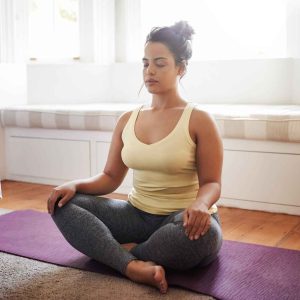
Deep breathing is one of the most accessible relaxation techniques that you can do pretty much anywhere. If you feel tense or overwhelmed, slow, comfortable breathing may help your body relax.
First, get comfortable and let your shoulders fall. Take a breath in through your nose and allow your belly to fill. Then softly exhale without pushing air from your lungs.
Focus on your breath during this time. Continue for 1 to 5 minutes. If you begin to feel dizzy or uncomfortable return to normal breathing.
The more you practice, the easier it is to use this calming technique .
Meditate & Practice Mindfulness
Mindfulness is being aware of the present moment, of your thoughts or feelings, without judgment. You learn to be aware of what is happening right now, instead of getting caught up in what might happen.
You can practice mindfulness by sitting still and paying attention to your breathing or the sounds around you. And when your mind wanders, gently refocus your attention on the present.
Try 5 minutes a day and if that seems useful increase the time. I can only speak for myself, but mindfulness and meditation have been helpful to me in managing stress.
Get regular physical activity
walking-outdoors-stress-relief

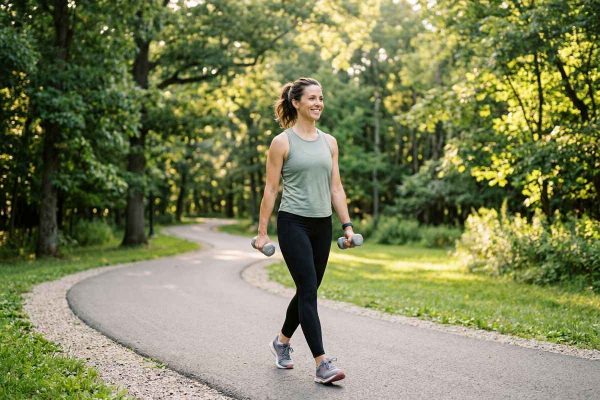
Another great way to relieve everyday stress is exercise. Activities like walking, cycling, dancing, swimming and others can be fun and support physical health and mood.
You don’t have to work out like a maniac to begin. Take a break from studying or working to get some fresh air, stretch your legs and move around.
Choose an activity that you enjoy and are comfortable doing. It’s about consistency, not overdoing it.
Regular physical activity can also help you sleep better, making stressful days easier to get through.
Read more Article –curing-gastroparesis, Diet & Symptom Relief
Keep a Regular Sleep Schedule
healthy-sleep-routine-stress-management
Sleep deprivation makes it harder to concentrate, manage your emotions and respond calmly to the day’s challenges. Stress can also make it harder to fall asleep, and this can become a frustrating cycle.
Go to sleep and wake up at the same time. It might help you to sleep better. Create a comfortable, soothing bedroom and schedule time to unwind before sleep.
Cutting out caffeine later in the day and reducing screen time before bed can help, too.
Sleep the amount of hours that is appropriate for your age. Teenagers usually need eight to ten hours a nite and adults usually need at least seven hours.
Define Tasks and Priorities

daily-planning-stress-management
When your to-do list is long, the easiest things can feel like too much. Organize your tasks and you can focus on what needs attention first.
Write down your responsibilities, but highlight the key ones. Break large projects into small steps and do them one at a time.
Instead of planning to complete an entire project at once, divide it into research, drafting, reviewing and editing.
Just remember, you don’t need to do everything at once. But reasonable breaks and realistic expectations can keep you from pressuring yourself too much.
Get Outdoors
Getting into a natural environment can be a refreshing change from the pressures of everyday life. A walk in the park, some time in a garden or even just a few minutes sitting outside can help you take your focus off stressful thoughts.
Notice the colors of the plants, the movement of the leaves or sounds you can hear. This simple activity combines mindfulness and time outside.
If you can’t get to a park, spend time near a window, grow indoor plants or take a short walk in a safe outdoor area.
Choose the one that best suits you and your environment.
Keep Supportive People Around
social-support-stress-relief

When you’re going through something hard, talking with someone you trust can make you feel less alone and more understood.
Talk to a friend, family member, teacher or someone else who can support you. Sometimes you don’t have to fix your problems, you just have to listen.
Sharing a meal, going for a walk, or having a meaningful conversation together also connects you socially.
If it feels like too much to deal with by yourself, it can help to reach out for help to take care of yourself.
Take a break from screens and news
The constant flow of notifications, social media updates and disturbing news can sometimes leave you feeling more stressed or anxious.
Try setting times to check messages, rather than responding to every notification. Instead of scrolling, when you take a break put your device away and do something relaxing instead – read, listen to music, draw or go for a walk.
You don’t have to ditch technology altogether. Rather, pay attention to the way you feel when you do different things online, and change your patterns accordingly.
Pick Up a Relaxing Hobby
relaxing-hobbies-self-care

Enjoyable things are a good distraction from responsibilities and good things to focus your attention on.
Perhaps you like to cook, garden, paint, write in a journal, read, or listen to music. Pick an activity because it feels rewarding, not because it’s one more thing you have to do perfectly.
Maybe you’ve only got ten minutes free during a break, or after finishing your day’s work.
Some fun activities planned can help balance a routine and provide opportunities to re-charge.
Read more article-Healthy Green Foods and Their Benefits Green Food
Practice Self-Compassion and Set Boundaries
Some people make their stress worse by expecting themselves to be perfect at all things. What does self-kindness mean? It is when you are kind and understanding to yourself, just as you would be to another person.
Say “I was wrong,” when you are wrong, and don’t punish yourself. Focus on what you can learn, what you can do next.
Also, it’s important to set reasonable limits. Can you re-schedule, ask for help or say no when you’re already booked?
Healthy boundaries protect your time and energy and help you focus on what’s important.
How to Create a Daily Stress Management Routine
You don’t have to practice all 10 stress reduction techniques every day. Start with one or two habits that work for your lifestyle and then build up to a routine.
A simple example is below:
Morning: Take a few slow breaths. Name your top priorities.
During the day: Move your body, take short breaks and stay connected to supportive people.
Evening: Do something relaxing and get ready for a normal bedtime.
Identify what types of activities make you feel more calm and focused. Change your needs or routine as your routine changes.
Small, realistic habits are usually easier to work with than big lifestyle changes.
When to Seek Professional Help?
Healthy coping methods can often help you to manage everyday stress, but self-help techniques aren’t always enough.
If your stress continues, affects your school, work, relationships or sleep, or seems hard to deal with, think about talking to a qualified healthcare professional or mental health professional.
A mental health professional can help you identify what is causing your stress and explore possible treatment or coping options.
Asking for help is not a sign of failure, it’s a smart way to take care of your mental health.
Frequently Asked Questions About Relaxation Techniques
What are some good ways to reduce stress?
Helpful choices include: deep breathing, mindfulness, physical activity, sleep, planning tasks and social support. What works for you will depend on your situation and what techniques you find useful.
How do I reduce stress naturally at home?
Try slow breathing, gentle stretching, journaling, listening to calming music or doing something you enjoy. Begin with a few minutes at a time and pick activities that you are comfortable with.
Can exercise help with stress?
“Yeah. Regular physical activity can improve your mood and help you cope with stress. Walking, dancing, cycling and other fun things to do are a good place to start.
How long does it take for stress relief techniques to work?
Some people find that a short relaxation exercise helps them to feel calmer. Others need to practice regularly to see any benefits. Instant results will vary so concentrate on consistency.
Does stress affect sleep?
Yes, Stress can be difficult to turn off or sleep through, and lack of sleep can make managing stress harder. Adopting a regular bedtime routine and sleeping for a sufficient amount of time can help facilitate better rest.
When should I seek help for stress?
If you are in long term stress and it is affecting your life or you are unable to cope on your own, seek professional help. A trained professional can assist you in determining the right next steps.
Closing Thoughts:
You will learn how to manage stress so that you can respond to everyday problems with greater awareness and flexibility. There are practical things that help. Deep breathing, mindfulness, exercise, enough sleep, supportive relationships and realistic planning.
You don’t have to do the whole thing at once. Pick one small thing and do it regularly. Adjust your routine accordingly.
If you continue to experience stress and it begins to interfere with your daily life, seek additional support from a qualified professional.



2 thoughts on “10 Simple Ways to Feel Calm,stress-reduction-methods”
Comments are closed.