

7 Best Upper Back Stretches For Relief & Flexibility
7 Upper Back Stretches To Relieve Tightness And Improve Mobility
Sitting at your desk for long hours, looking down at your phone or doing repetitive tasks can make your upper back stiff and sore. A little stretching can relieve tightness in your muscles, improve your flexibility and make it easier to get around your day.
Upper back is the region between your neck and your lower back. Also called the thoracic area. It supports your upper body and works with your shoulders and rib cage in many daily living activities.
Incorporating upper back stretches into your workout routine is an easy way to keep your body mobile and add movement breaks throughout the day. For most of these exercises, you don’t need any special equipment. You just need a comfortable place on the floor, a chair and a little time.
This guide includes 7 gentle upper back stretches, how to do them and practical tips for safe stretching.
What is upper back stretching?
Upper back stretches are movements that gently lengthen the muscles surrounding the thoracic spine, shoulders and shoulder blades. Depending on the movement, they can also help improve thoracic spine mobility.
These are great stretches if you sit a lot or want to add some mobility work into your workout.
What’s making your upper back tight?
You might have tightness in your upper back for a lot of reasons, from sitting for long periods to repetitive motions, not moving enough throughout the day, or pushing yourself physically. Stress also causes muscle tension.
For some people stretching can help them feel more comfortable but not all causes of discomfort can be fixed by stretching. If you have symptoms that are persistent or unexplained, you may need to be evaluated by a professional.
Read more article-Aerobic Exercise: Benefits, Types, And Tips For Beginners
7 Upper Back Stretches You Can Perform at Home
Try these soft motions, slowly. Go through your range of motion, don’t force your body into a deeper stretch.
Cat Cow pose

cat-cow-upper-back-stretch

The cat-cow stretch is a gentle flex and extension of the spine. It can help you work on controlled spinal movement.”
How to do it:
- Get on all fours with your hands under your shoulders and your knees under your hips.
- Gradually curve back, allowing the head to follow the movement freely.
- Then slowly go the other way, opening your chest, and arching your back a little.
- Breathe normally and move smoothly from one to the other.
Do a set of 6 to 10 reps that feels good.
Avoid putting your neck or lower back into extreme ranges.
Thoracic extension in prone

seated-thoracic-extension

This stretch helps mobilize the upper back and is great to do after sitting for long periods of time.
How To
- Sit on a strong chair with your feet flat on the floor. Keep your back straight.
- Rest your hands lightly on the back of your head or across your chest.
- Keep your lower body solid and, if possible, roll your upper back gently over the backrest of the chair.
- Slowly return to an upright position.
Repeat 5-8 times in a comfortable range.
Tip: Get a good chair that will hold you up. Don’t lean over a sharp, unstable edge.
Child’s posture
childs-pose-upper-back-stretch
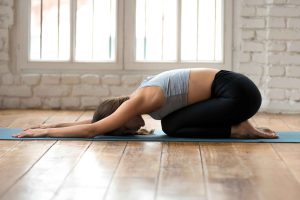
Child’s pose: A gentle movement on the floor, which stretches the back and shoulders.
How to Do It
- Get on your hands and knees.
- Walk your hands out in front of you, and slowly lower your hips down to your heels.
- Lower your chest toward the floor as far as is comfortable.
- “Relax your shoulders and breathe naturally.
If you are comfortable, hold for 15-30 seconds.
If kneeling is uncomfortable, try a more upright position, or put a cushion under your chest.
Read more article-Full Body Warm Up Exercises for Your Workout
The Needle Threader Stretch

thread-the-needle-upper-back-stretch
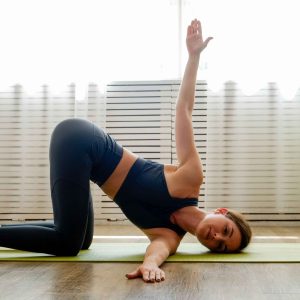
Thread the needle is a slow spin with movement around the shoulder blades.
How To:
- Get down on your hands and knees.
- Bring your right arm under your left arm, and gently pull your right shoulder toward the floor.
- Shake your hips but don’t go crazy. Turn as far as you feel comfortable to.
- Then return to the starting position and repeat on the other side.
Hold each side for 10-20 seconds or 4-6 slow repetitions
Tip: Don’t force the turn or put unnecessary strain on your shoulder.
Shoulder Stretch with Cross Body
cross-body-shoulder-stretch

This movement primarily works the back of the shoulder, but can be a great addition to an upper back and shoulder mobility routine.
How to:
- Stand or sit in a relaxed, but upright, posture.
- Bring your right arm across your chest
- With your left hand support the arm just above the elbow.
- Slowly bring the arm in to your chest without twisting your body.
Hold for 15 to 30 seconds. Switch to other side.
Tip: Relax your shoulder, don’t lift it up toward your ear.
Doorway Chest Stretch
doorway-chest-stretch

Depending on the tightness in your chest, how you position your shoulders comfortably. A gentle chest stretch can be a nice compliment to upper back mobility exercises.
How to do it:
- Stand in an open door.
- Place your forearms on the door frame with your elbows at a comfortable height.
- Step forward a bit so you feel a gentle stretch across your chest.
- Sit or lie down in a comfortable position and breathe normally.
Hold 15-30 sec.
Tip: Keep the stretch gentle. Stop if you feel shoulder pain, tingling or numbness.
Squeeze Shoulder Blades
shoulder-blade-squeeze-exercise
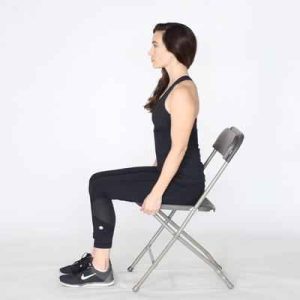
Squeezing the shoulder blade is not a traditional static stretch but rather a controlled movement. They help you to gently engage the muscles around your shoulder blades.
How to:
- Stand or sit with your arms resting loosely at your sides.
- Shoulder blades: Pull together gently.
- Keep your shoulders down and don’t arch your lower back.
- Hold for 3–5 seconds and release.
Repeat 8-12 times.
Tip: Don’t grip as hard as you can; use a small, controlled movement.
How Often Should You Stretch Your Upper Back
When you feel ready, add in some gentle mobility exercises throughout your day. For instance, if you have been sitting for a long time, stand up and move around for a few minutes or include a few stretches in your regular warm-up or cool-down.
A simple routine could be:
- Cat-cow stretch: 6-10 rounds
- Seated thoracic extension 5-8 reps
- Pass the needle. 4–6 reps per side
- Doorway chest stretch: 15-30 seconds
- Shoulder blade squeezes 8-12 reps
You don’t need to do all the exercises at once. Begin with 2 or 3 movements and adapt the routine to what feels comfortable and what you need.
Consistency, movement that is comfortable, and regular breaks from sitting for long periods may be more useful than pushing for deeper stretches.
Safety Tips for Upper Back Stretching
Here are some tips to remember when doing upper back stretches:
- Go easy. No bouncing.
- Just breathe normally, do not hold your breath.
- Stretch to a point of slight tension, but not pain.
- If you experience sharp pain, tingling, numbness or worsening of symptoms with a movement, STOP.
- Use sturdy furniture and clear space for exercising.
- If you have a recent injury, spinal condition or are unsure of the appropriate exercises, consult a health care professional for advice.
Get immediate medical care if you have upper back pain with chest pain, difficulty breathing, sudden weakness or any other serious or concerning symptoms.
Stretching may help with comfort and mobility, but it’s not a cure-all for back pain or any underlying medical condition.
FAQs
What is the best stretch for a tight upper back?
Gentle upper back mobility can be provided through cat-cow stretch, thread the needle and seated thoracic extension. “Best option depends on your comfort, mobility and needs.
Can you do upper back stretches everyday?
If you feel up to it, there are many gentle mobility exercises you can do every day. If you have an injury or persistent pain seek professional advice. Avoid doing anything that aggravates your symptoms.
Does stretching improve posture?
Stretching may be able to loosen certain muscles and improve the range of motion, making it easier to get into comfortable positions. But posture is based on a lot of things like strength, movement patterns and the anatomy of the person.
When to see a doctor for upper back pain
If the pain continues, recurs often, interferes with normal daily activities, or occurs after injury, consult a doctor. If you develop severe pain or symptoms including chest pain, difficulty breathing or sudden weakness seek urgent assessment.
Summary:-
Adding a few upper back stretches to your regular workout routine can be a nice addition. Movements like cat-cow, child’s pose, thread the needle, and shoulder blade squeezes can work on mobility and comfortable movement.
Start easy and breathe normal and pick exercises that suit your ability. “Move around often with breaks . Strain . Pair it with a well balanced exercise routine to maintain your overall health.




2 thoughts on “7 Best Upper Back Stretches For Relief & Flexibility”
Comments are closed.