
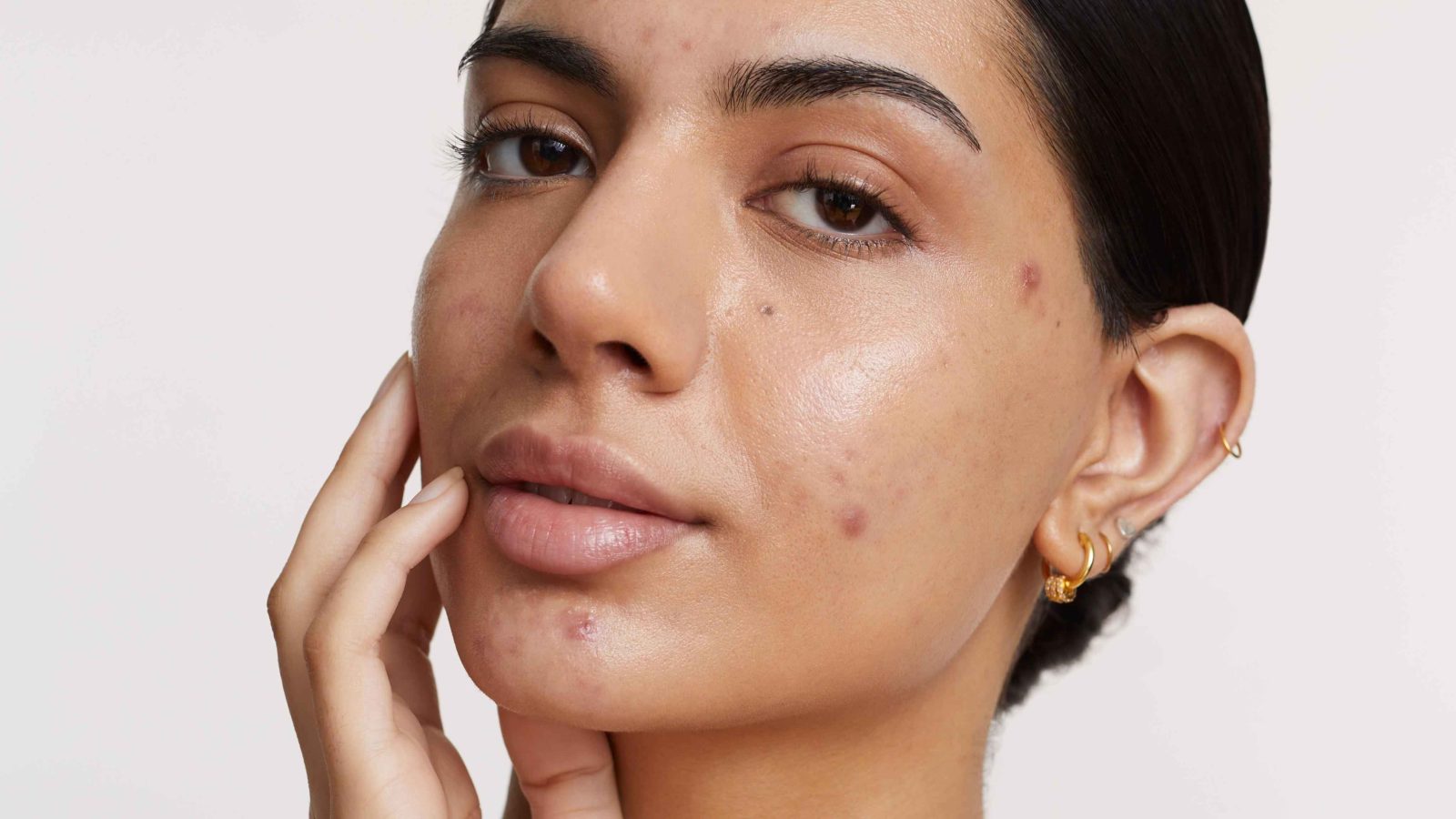
Hormonal Acne: What Causes It and How to Treat It
Introduction
Acne is one of the most common skin conditions that can affect people of all ages. Acne is most common in the teenage years but can persist into adulthood or appear for the first time later in life. There are many reasons why these breakouts happen such as hormonal changes.
Hormonal acne occurs when fluctuations in hormone activity affect the skin’s oil glands and hair follicles. More oil production can cause clogged pores, inflammation, blackheads, whiteheads, pimples. Puberty, around menstrual periods, pregnancy, menopause, or due to some medicines and medical conditions can all cause hormonal changes.
Good news: acne can typically be managed. The best treatment will depend on your age, skin type, severity of your acne and likely cause. Mild acne might improve with simple skin-care habits. If acne is persistent or severe, you may need to consult a doctor or dermatologist.
Hormonal Acne: What Is It?
Hormonal acne is acne that is affected by changes in the levels of hormones or the activity of hormones. Androgens such as testosterone can cause the sebaceous glands to produce more sebum. Sebum is the natural oil that helps prevent the skin from drying out.
When there is too much oil, it can mix with dead skin cells and help block hair follicles. Then inflammation and bacteria can make the breakout worse. This can lead to different forms of acne including blackheads, whiteheads, papules, pustules and deeper painful lesions.
Hormones are a factor but not the only possible cause of acne. Genetics, skin-care products, medications, friction, stress and more could also be culprits.
Read more-Benefits of Green Tea and the Right Time to Drink It
Can You Get Hormonal Acne at Any Age?
Yes. Acne may occur at almost any age, but is most common during adolescence. Hormones released during puberty can cause the body to make more oil, leading to acne. Acne can affect adults too, even people who didn’t have much acne as a teenager.
In adults, hormonal changes can be linked to menstrual cycles, pregnancy, perimenopause, menopause, starting or stopping certain hormonal medications, or other health conditions. But, having acne does not necessarily mean that you have a hormone disorder.
If your acne suddenly gets worse, or you develop other unusual symptoms, it is a good idea to consult a healthcare professional.
Common Signs of Hormone-Related Acne
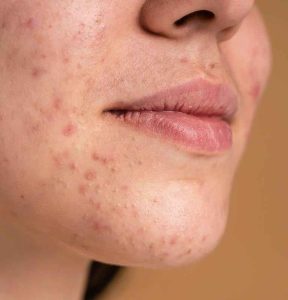
Hormonal acne may resemble other types of acne, so it’s not always possible to tell the cause just by looking at the skin.
Common signs can be blackheads, whiteheads, red pimples, inflamed spots and deeper tender bumps. Acne may occur on the face, forehead, chest, shoulders and upper back.
Some adults have recurrent outbreaks around the lower face, jawline or neck. Some women may have acne flare-ups around the time of the menstrual cycle. But these patterns don’t prove that hormones are the sole cause.
Read more-Benefits of Drinking Water in the Morning Why Should You Drink Water Daily?
What is hormonal acne?
Puberty & Hormones
Increased androgen activity at puberty. It may excite the oil glands, resulting in blocked pores and acne. That’s one reason acne is so common in teenagers.
Changes in your period
Some people get worse acne around a time of the month. Fluctuating hormones can impact oil production and inflammation, leading to recurring breakouts.
Pregnancy and Menopause
Hormonal changes that affect the skin also happen during pregnancy and menopause. During these times you may notice that you have more acne, or other changes in your skin.
Stress reduction
While stress does not cause acne, it can trigger flare-ups in some people. The American Academy of Dermatology notes that stress may be linked to acne flare-ups, at least in part because of its effects on hormones.
Personal Drugs
Some medications may make acne worse. These include some corticosteroids, testosterone and lithium. If you think a prescribed medicine is affecting your skin, do not stop it yourself. Instead, tell the healthcare professional who prescribed it what your concerns are.
How to get rid of hormonal acne
There is not one-size-fits-all treatment. For mild acne, a good place to start is a simple, consistent skin care routine.
Thoroughly Clean Your Skin

daily-skin-care-routine-for-acne
Gently wash your face, not scrub hard. Over-scrubbing can cause skin irritation and make acne-prone skin feel worse.
Wash with warm water and mild cleanser. Because you have acne doesn’t mean you should wash your face too many times in the day. Having ‘dirty’ skin does not cause acne and washing too much does not remove the underlying causes of acne.
Choose Non-Comedogenic Products
Look for skin care and cosmetic products labelled non-comedogenic, oil-free or similar to indicate they are less likely to clog pores.
Sunscreen and moisturisers can be added to an anti-acne routine. Your skin is breaking out, but you don’t have to stay away from all moisturising products.
Don’t pick or squeeze pimples
It’s tempting to squeeze a pimple, especially if it is a big one. But squeezing or picking can make it more irritated and can increase the chance of leaving marks or scars.
Rather, simply keep the area clean and stick to a regular acne care routine.
Explore Evidence-Based Acne Treatments
Doctors may prescribe topical treatments such as adapalene, benzoyl peroxide, salicylic acid, or azelaic acid, depending on the type and severity of acne. Treatment recommendations may vary depending on age and individual circumstances.
If you switch products too often, you may not be able to tell what’s working because some treatments take several weeks before you see any improvement.
Some People May Be Candidates for Hormonal Therapy
For some women, if hormonal acne persists despite these measures, a dermatologist may consider hormonal treatments such as certain combined oral contraceptives or spironolactone. These medicines are not for everyone and need medical assessment.
Never start, stop or change prescription acne medication without your doctor’s approval.
Keep Yourself Healthy in General
Healthy habits can support overall well-being and may make it easier to stick to a consistent skin-care routine. Get enough sleep. Exercise daily. Eat balanced meals. Drink plenty of fluids. Find ways to deal with stress.
But, lifestyle habits should not be presented as a cure-all for hormonal acne. Acne is a medical skin condition with some possible contributing factors.
Read more-Calisthenics Exercises For A Basic Full Body Workout – 8 Exercises
What Should You Not Do?
If you’re dealing with hormonal acne, don’t change up your routine or try to use lots of harsh products all at once.
Don’t use harsh scrubs and over-exfoliate, and don’t pick or use products that burn and irritate your skin a lot. And you should also be wary of online claims to “cure hormonal acne overnight.”
Treating acne usually takes patience. Prescription acne treatments can take several weeks to begin working, and more complete improvement may take longer, says Mayo Clinic.
When to go to a dermatologist
If your acne is persistent, painful, severe, scarring or not getting better with appropriate self-care, you should see a professional medical.
A dermatologist can diagnose what type of acne you have and create a treatment plan based on your age, symptoms, medical history and severity. Severe acne might require prescription treatment.
If acne appears later in life or is associated with other unusual symptoms, it is important to seek medical advice. Acne may also be linked at times to a medical condition or medication effect.
If acne is impacting your self-esteem or mental health, discuss this with a healthcare professional too. Acne treatment can do more than change the way the skin looks. It can have an emotional impact.
A Simple Daily Skin Care Routine for Acne-Prone Skin
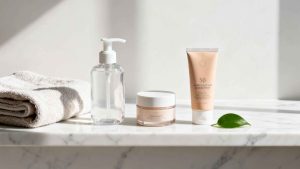
It’s easier to stick with a simple routine than a complex one.
Morning: Cleanse gently if required. Use a suitable moisturiser and sunscreen when appropriate, particularly if you will be in the sun.
Don’t touch or pick your face all day. Gently cleanse your skin after heavy sweating or exercise.
Evening: Remove makeup and sunscreen gently. Wash your face. Use acne treatment products as directed on the product or as directed by your healthcare professional. Finish off with moisturiser if your skin needs it.
The idea is not a lot of products but consistency.
Myths About Hormonal Acne
1: Hormonal Acne Is Only a Teen Problem
That is not true. Acne is common during adolescence, but adults can also develop acne, including acne that starts in adulthood.
2: Acne is a sign of dirty skin
Acne is not just caused by bad hygiene. It’s a biological process under the skin that involves things like excess oil, clogged follicles, bacteria and inflammation.”
3: The More Products, the Quicker the Results
Using a lot of products at once doesn’t necessarily help acne. A simple, consistent routine might be more palatable and sustainable.
4: All Breakouts Are Hormonal Acne
Not really. There are a number of factors that can contribute to acne, so you may need to see a dermatologist to determine the best treatment.
Frequently Asked Questions
Hormonal acne can develop at any age.
Yes. Acne is most common during the teenage years, but it can occur at almost any age. Hormonal changes can also contribute to acne during puberty and other times in life.
What Does Hormonal Acne Look Like?
Hormonal acne may consist of blackheads, whiteheads, red pimples, inflamed spots and deeper tender lesions. Hormonal acne in adults can cause recurrent breakouts on the lower face and jawline, but appearance alone isn’t enough to determine if acne is hormonal.
How long does hormonal acne take to clear?
Timeline may vary depending on treatment and severity of acne. Many acne treatments take several weeks before you notice improvement. Consistency is key. Severe acne may require professional treatment.
Can hormonal acne be cured completely by diet?
There is no one diet that will guarantee to cure hormonal acne. A well-rounded diet is important for overall health however acne treatment should be based on the type and severity of the condition.
Hormonal acne shouldn’t be squeezed.
Avoid squeezing or picking pimples as this can irritate the skin and lead to more marks and possible scarring.
When should I go to a skin doctor?
If your acne is severe, painful, persistent, scarring, or not improving with appropriate skin care, consider seeing a dermatologist. It is also important to seek professional advice if acne suddenly appears later in life or if it is accompanied by other worrying symptoms.
Conclusion
You can get hormonal acne at various times in your life and it’s not just hormones that are responsible. Acne can be influenced by puberty, change in menstrual cycle, pregnancy, menopause, stress, medications, genetics and other factors.
Often the best approach is to keep your skin-care routine simple and consistent, avoid picking or harsh treatment, choose appropriate non-comedogenic products, and allow evidence-based treatments time to work.
If your acne is persistent, painful, severe or affecting you or your well-being, a professional can help you to identify the cause and select an appropriate treatment. Most cases of acne can be brought under control with the right treatment and some time.




2 thoughts on “Hormonal Acne: What Causes It and How to Treat It”
Comments are closed.