

10 Healthy Ways to Building a Strong and Healthy Body
10 Healthy Ways To Build A Strong, Fit And Well Developed Physique
A healthy body does not mean you look perfect. The key is to develop good habits that are good for your muscles, bones, heart, energy, flexibility and overall health. Regular physical activity, a well-rounded diet, enough sleep, good hydration and adequate rest over a long period of time results in Building a Strong and Healthy Body.
You don’t have to do intense workouts or go on strict diets to become stronger and fitter. Consistent, balanced habits are way more important. What you do each day can really add up over time to health and fitness benefits.
Discover 10 healthy ways to develop a strong, fit and well-developed body in this guide while supporting your overall health and well-being.
Exercise Every Day

daily-exercise-for-physical.
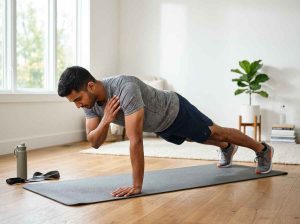
Regular physical activity is one of the most important habits for developing a strong, healthy body. “Being active helps you support your muscles, bones, health of the heart, coordination and ability to do everyday physical activities.
You don’t have to work out for hours every day. Physical activity can be walking, cycling, swimming, dancing, sports, stretching and strength exercises suitable for your age.
Try not to spend most of the day sitting. Short activity breaks, walking between activities and choosing activities you enjoy so you can continue, move often.
Add Movement to Your Daily Routine A simple daily routine could be:
- Walk for a reasonable length of time
- Take the stairs when appropriate
- Stretch your body after sitting for a long time
- Playing active sports
- Doing basic bodyweight exercises
- Taking short breaks from movement during study or work
The best activity is one that is safe, fun and appropriate for your age and physical ability.
Maintain a Balanced and Nutritious Diet
balanced-nutritious-diet-foods
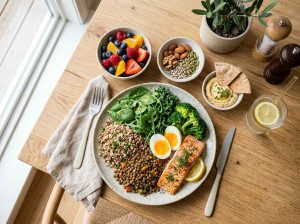
Exercise is most effective when your body is well fed. Carbohydrates provide the energy, protein is needed to maintain tissue, and healthy fats, vitamins, minerals and other vital nutrients provide a well-rounded diet. Eat lots of different kinds of foods during the day.
- Foods to Eat Regularly
- A healthy diet may include:
- Leafy green vegetables
- Fresh Fruit
- Whole grains
- Lentils and beans
- Eggs, fish, chicken or other protein rich foods
- Milk, yoghurt or equivalent non-dairy product
- Seeds and nuts
- Healthy fats
Instead of skipping meals or rigidly dieting, try to add variety and balance to your meals.
For more information, read our article on-Avocado Toast vs Nut Butter Toast: Which Has More Protein and Fiber?
Consume Sufficient Protein from Healthy Foods
Proteins are important nutrients for the body because they are used for many different body functions such as the maintenance and repair of body tissues.
Protein is present in a number of foods such as eggs, fish, chicken, milk, yoghurt, beans, lentils, chickpeas, nuts and seeds.
Spread Protein Throughout Your Meals
Instead of eating one big meal rich in protein, include appropriate sources of protein in your regular meals and snacks.
Getting more protein isn’t necessarily better. Your nutritional needs are influenced by your age, activity level, growth and general health.
If you’re still in a phase of physical growth, don’t go on high protein diets or take supplements without consulting a qualified health professional.
For more information, read our article on-Protein-Packed Grains
Drinking water
water-hydration-during-exercise

Water is needed for the body to work properly. In addition, fluid loss can be significant during exercise, so it’s important to stay well hydrated.
Drink plenty of water regularly throughout the day, and listen to your thirst. You may need to drink more liquid when exercising or in hot weather.
Easy Ways to Drink More Water Here are some easy ways to boost your water intake:
- Availability of waterDrink water while you eat
- Drinking before and after exercise
- Carrying a reusable water bottle
- Drink water most of the time and not sugary drinks
You don’t need to force yourself to drink gallons of water. How much fluid you need depends on your activity, the weather and your own condition.
Sleep and Recovery Counts
healthy-sleep-and-fitness-recovery

Good health is not merely physical fitness. “Sleep and rest are important as well. Your body needs time to recuperate from the activities of the day and from physical training.
Lack of sleep impacts your energy, focus, mood and physical performance.
For more information, read our article on-Easy & Healthy Whole 30 Snacks
Have a proper sleep schedule
Keep a consistent sleep pattern. Sleep Hygiene . Establish a calming pre-sleep routine . Prepare a comfortable sleep environment . Steer clear of stimulating activities before sleep .
Sleep is not something to sacrifice in favour of exercise, but an important part of a healthy lifestyle, especially for young people who generally need more sleep than adults.
Increase Flexibility and Range of Motion
flexibility-and-mobility-stretchi.j
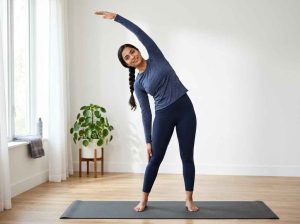
Being physically fit means that you are strong, but also that you can move comfortably. Mobility and flexibility mean you can move through your day and do different tasks with greater control.
You can keep moving about and stay active with light stretching, walking, yoga and other appropriate activities.
Stretching Safely
You want to stretch until you feel a tension not pain. Don’t twist your frame into awkward poses.
Some stretching after a good activity or while you are sitting too long can be good.
Good Posture & Movement Habits
healthy-posture-at-work-desk.
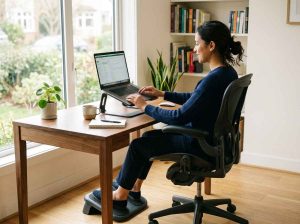
Correct movement patterns can enhance comfort in daily activities. Good body alignment is important in all situations, sitting, standing, studying, using a computer and carrying a rucksack.
Change your posture frequently. Avoid staying in the same posture for long durations instead of maintaining a specific posture for long durations.
Health – Daily movement habits Try adding these simple habits:
- Change your position frequently.
- Get up and move around to break up long study sessions.
- Store frequently used items where they’re easy to reach.
- Use backpacks properly.Set your desk and chair to a comfortable height.
- Never hold one posture for long.
These habits will help you move with ease, not with an eye toward body shape.”
Don’t go on extreme diets or over-exercise
You can’t make your body change quickly without picking up unhealthy habits. Behaviours like extreme calorie restriction, skipping meals, over-exercising, or comparing your body to others online can be harmful to your physical and mental health.
A healthy lifestyle involves adequate food, rest and physical activity for normal growth and daily activities.
Focus on Progress Not Appearance
Instead of asking about how your body looks, ask these healthier questions:
Am I getting stronger?
- Am I okay with moving?
- Do I have enough energy for normal activities?
- Is my sleep good?
- Am I eating a variety of healthy foods?
- Do I enjoy working out?
These metrics are a much better view of health and fitness than just external appearance.
- Maintain Consistency in Healthy Habits
consistent-healthy-fitness-habits
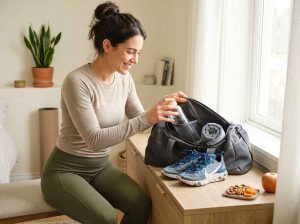
Consistency is one of the most important factors in building a strong and fit body. You do not need to be perfect every day.
A balanced routine maintained over months and years is far more beneficial than a strict routine that lasts only a few days.
Build Your Routine Gradually
Start with a few realistic habits. For example, you can:
- Walk regularly.
- Add age-appropriate strength exercises.
- Eat a variety of nutritious foods.
- Drink water regularly.
- Get enough sleep.
- Take movement breaks.
- Include enjoyable physical activities.
Once these habits become easy, you can gradually increase your activity while allowing enough time for recovery.
Daily Simple Exercise Routine
Having a healthy day is not hard. A simple routine may involve good foods, good physical activity, good hydration and good sleep.
For instance, Morning:** Start your day with water and a healthy breakfast. If you have time in your day, try to fit in some light movement or a walk.
During the day:Keep moving, don’t sit for long periods of time, and eat well-rounded meals that include different food components.
Afternoon:Get involved in some enjoyable physical activity such as walking, cycling, sports or exercises suitable for your age
Night: Enjoy a nice dinner. Cut down on too much screen stimulation before bedtime. Create a regular sleep schedule.
The best routine will depend on your age, your school or work schedule, your health and how much physical activity you are already doing.
Things to Avoid
It’s easier to get fit when you don’t take shortcuts. Some common mistakes: * Over-exercising:
More exercise is not better. Your body has to rest also and ramping up too fast can result in fatigue or injury.Skipping Meals Changing your look by skipping meals deprives your body of needed energy and nutrients.
Social media and fitness fads:
Fitness advice online isn’t always relevant to all of us. What works for an adult athlete might not work for a teen or young adult.
Comparing Your Body to Others
Human bodies have a natural variation in their structure, growth and physical ability. It’s not healthy to compare yourself to friends, celebrities, influencers or edited images as a way of measuring health.
When to Seek Professional Help
If you feel pain while exercising, have repeated injuries, feel unusually tired, dizzy, short of breath or have any other health concerns, stop the activity and get advice from a parent, guardian, doctor, physiotherapist or qualified healthcare professional.
If you are still growing it is especially important to avoid extreme diets, weight loss plans or rigorous training programs without proper professional guidance.
Frequently Asked Questions About How To Get A Strong, Fit Body
How to have a large and healthy body?
There is no one best way. Eat a well-rounded diet . Do exercise regularly. Sleep well. Rest. Stay hydrated. Healthy habits Everyday
Can walking improve your physical fitness?
Yes. Walking is a simple form of physical activity that has been shown to increase cardiovascular health, mobility and levels of activity of daily living .
Do I need to go to the gym to get stronger?
No. There are tonnes of exercises you can do without any gym equipment to build strength. Exercises suitable to your age, experience and physical condition. **4. Why Protein is Important for Your Good Health** Protein is a key nutrient for healthy growth and tissue upkeep. You’ll find it in many foods including eggs, fish, dairy products, beans, lentils, nuts and seeds.
Can I drink water during my workout?
Yes. Water is necessary for normal body functions, and hydration is especially important when exercising and in hot weather.
Is physical fitness affected by lack of sleep?
Yes. Getting enough sleep is good for energy, focus, recovery and overall health. Prioritise sleep, just as you would other pillars of a balanced fitness program.
Do I need a strict diet to get into shape?
No. Good physical habits are not the same as strict, restrictive diets. The best way forward, in general, is to eat a varied and balanced diet. *
How long does it take to become fitter?
Physical fitness is something that is developed over time and results will differ from person to person. If you want change, change slow on purpose, don’t make it happen quick.
Summary
Building a strong, fit and healthy body takes time. No need for extreme exercise, restrictive diets or unrealistic body goals. Keep the bling. Think motion. Period. Movement. Strength exercises that are right for you. Good food. Good hydration. Sleep. 2. Mobility. Rests. Consistency.
Above all, remember health isn’t a particular body shape or appearance. You want to feel supported by your body so you can move comfortably, have enough energy to get through your day, and keep up healthy habits long term.


4 thoughts on “10 Healthy Ways to Building a Strong and Healthy Body”
Comments are closed.