

Benefits of Green Tea and the Right Time to Drink It
Introduction:
“Green tea is one of the world’s most popular beverages. Made from the leaves of the Camellia sinensis plant, it’s often praised for its fresh flavour and naturally occurring plant compounds.
Many people will replace coffee and sugary drinks with green tea. It contains caffeine, and antioxidants called catechins. The compounds have spurred research into green tea and its potential links to a host of health problems.
How to incorporate green tea into your daily routine to benefit from it. It’s good to know when to take it, too. Green Tea contains caffeine which can cause sleep problems or make some people uncomfortable. Green tea is not a treatment or a substitute to medical treatment. Instead, it may be part of an overall pattern of healthy eating and lifestyle.
What’s the difference from Green Tea?
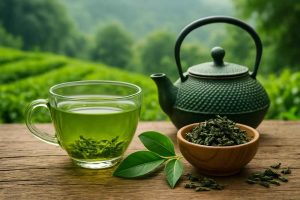
Green tea is made from less oxidised tea leaves than for black tea. This helps to retain many of the naturally occurring compounds found in the plant.
Green Tea Ingredients:
- Other polyphenols and catechins
- Caffeine
- Acid L-theanine;
• Trace amounts of certain minerals
• Other natural compounds in the plant
Nutritional information may vary based on type of tea, brewing method, serving size and preparation.
7 Health Benefits of Green Tea
1. Rich in antioxidant compounds

One of the main benefits of green tea is that you get catechins and other polyphenols from it. These compounds have antioxidant activity and have been widely studied for their potential to promote general well-being.
Antioxidants are chemicals that help cells guard themselves against oxidative damage. It is a diet full of a variety of plant foods providing many other useful antioxidant compounds.
So green tea can be a great addition to a diet that has plenty of fruits, vegetables, whole grains, nuts and seeds.
2. May Help Support a Healthy Heart
The connection between green tea drinking and heart health has been examined. The regular consumption of tea has been associated with favourable markers of cardiovascular health in some studies.
However, green tea alone will not be enough to keep the heart healthy. Healthy habits like a healthy diet, physical activity, sleep, and more still matter.
Read more about healthy eating in our guide, Healthy Diet Tips.
3. Might Boost Alertness

Benefits of Green Teacontains caffeine which can help you stay alert and awake.
It also contains L-theanine, an amino acid found naturally in tea. In fact, studies have been done on the combination of caffeine and l-theanine and whether or not it impacts focus and mental performance.
Green tea contains less caffeine than most coffee drinks, but this isn’t universally true.
4. Promotes healthy lifestyle
One simple way to reduce added sugar is to substitute sugary drinks with unsweetened green tea.
Try replacing a sugar-sweetened soda with an unsweetened green tea to help balance out your overall beverage choices.
Green tea is most effective when paired with a healthy lifestyle of healthy foods, activity and plenty of fluids.
5. May Enhance Healthy Metabolism
Green tea catechins have been studied for their potential effects on energy metabolism. Some studies have suggested that the compounds in green tea may have a small effect on energy expenditure.
But green tea is not a quick fix for weight loss. Nutrition, physical activity, sleep, genetics and overall lifestyle all play a part in metabolic health and healthy body composition.
6. Encourages healthy drinks
Without sugar, green tea is very low in calories. This makes it a convenient drink for those who want variety without adding too much sugar to their diet. Serve hot or chilled. A bit of lemon juice or lemon zest can add flavour without adding a lot of sugar.
If you’d like more ideas for healthy drinks, check out our article on Natural Detox Drinks to Start Your Morning Healthy.
7. Adds variety to your everyday meals
Healthy eating is not about the foods. Variety is also important.
Green tea is a healthy alternative to the water, milk and other drinks you may already be having in your daily routine. A variety of healthy foods and drinks can make a balanced eating pattern more enjoyable and sustainable.
When is the best time to drink green tea?

There is no single best time for everyone to drink green tea. The best time depends on your daily routine, your sensitivity to caffeine, your meals and your sleep schedule.
In the morning, green tea is a great way to start the day. The caffeine in it will help you wake up.
However some people may have an upset stomach if they consume caffeinated tea on an empty stomach. If it does then try drinking green tea after breakfast instead.
When eating
Another alternative is to drink green tea in between meals. Consumed without sugar, it gives a refreshing drink with low energy. If you are sensitive to caffeine, don’t drink a lot during the day.
Afternoon
If you want a mild amount of caffeine, green tea can help in the early afternoon or mid-afternoon.
But if caffeine interferes with your sleep then it is best to stay away from green tea later on in the day.
Before you go to sleep?
However, green tea is not the best choice before going to bed because of the caffeine content.
Different people react quite differently to caffeine. If you find that green tea keeps you awake or makes it difficult for you to sleep, try switching to a non-caffeinated drink in the evening.
Want more sleep tips? Read our guide to Simple Ways to Establish a Healthy Sleep Routine.
Green Tea and Food What You Need to Know About
Some nutrients, particularly non-heme iron found in plant foods, can be affected by compounds in green tea which interfere with their absorption.
If you’re concerned about your iron intake, or have been told by a health professional to monitor your iron status, don’t regularly drink tea straight down with iron rich meals.
Or drink tea between meals.
Read more-Benefits of Drinking Water
How much green tea should you be drinking?
There is no one perfect right amount for everybody. Green tea does contain caffeine so it is contingent upon your own tolerance.
Here are some practical tips to consider:
Use a moderate amount if you are new to green tea.
• Choose an unsweetened tea if possible.
• See the impact of caffeine on your sleep
• If you’re sensitive to caffeine, don’t drink large amounts late in the day.
• Remember: Water should be a key part of your daily hydration.
Too much of a good thing. Less is better than more and generally a balanced approach is more useful.
How to brew green tea correctly

Good green tea can taste better.
Use Clean Water
First thing you’ll need is a little fresh, clean water.
Don’t steep too long.
Green tea can taste bitter if brewed for too long. Different teas have different brewing recommendations so be sure to follow directions that came with your particular tea.
Limit Added Sugars
If you’re in the habit of adding several teaspoons of sugar to your tea, it’s no longer a low-sugar drink. Gradually cut back added sugar or enjoy the natural flavour of tea.
Lemon or Mint Try
A little lemon or fresh mint for flavour needs little extra sugar.
Who Should Be Careful With Green Tea?
Most people can include moderate amounts of green tea in a healthy diet, but the effects of caffeine are different for everyone.
If you are very sensitive to caffeine, you might find it difficult to sleep, feel nervous or have an upset stomach.
Certain medicines and health issues can also affect whether green tea is a good choice. If you have a health problem or are taking regular medication, you should consult a health care professional about green tea.
Green tea extract and concentrated supplements are not the same as regular brewed tea, and they may have different safety considerations. They should not be automatically equated to a cup of brewed green tea.
Benefits of Green Tea versus Sugary Drinks
| Beverage | Added Sugar | Caffeine | Practical Choice |
| Unsweetened green tea | None | Yes | Good option |
| Sugary soft drink | Usually high | Varies | Limit |
| Sweetened bottled tea | Often high | Usually | Check label |
| Plain water | None | No | Essential daily drink |
| Unsweetened herbal tea | None | Usually no | Good caffeine-free option |
The nutritional content of packaged beverages can vary, so it’s helpful to check the nutrition label.
Simple Green Tea Regimen

It doesn’t take much to enjoy the benefits of green tea and a simple routine can help you do just that.
Morning: If caffeine keeps you alert, have a cup after breakfast.
Afternoon: A second cup between meals, if it doesn’t interfere with sleep.
Evening – Opt for a caffeine-free beverage if caffeine impacts you.
Above all, don’t view green tea as a substitute for a varied diet. Add to that healthy meals, plenty of water, regular movement, and quality sleep.
Read more-Simple Ways to Establish a Healthy Sleep Routine
Overview
Benefits of Green Tea derive from its naturally occurring polyphenols like catechins, and its caffeine and other plant compounds. If you’re a fan of moderate amounts of added sugar, it can be a refreshing, low-calorie drink.
How you should drink green tea depends on your own schedule and your own sensitivity to caffeine. For many people, morning or early afternoon may be a good time, but for those sensitive to caffeine, drinking it too close to bedtime may not be appropriate.
It is pragmatic to consume green tea moderately and have a well-rounded diet in order to include green tea in a healthy lifestyle.